




Workforce Trends Study Highlights Labor Challenges, Tech Solutions for Fleets
A new Samsara report reveals workforce challenges, safety priorities, and how tech is reshaping fleet management to attract, retain, and protect drivers.

As the workforce continues to shift, fleet managers who prioritize safety, efficiency, and employee well-being will be in the best position to attract and retain top talent.
Photo: Work Truck
A new report from Samsara, The State of Connected Operations: Building for the Next Generation, digs into some of the biggest workforce challenges and opportunities facing physical operations, especially transportation, logistics, and fleet management.
With more than 1,550 industry leaders surveyed across 21 industries and seven countries, the findings reinforce what many fleet managers already know: the workforce is changing, and fleets need to keep up.
“It’s no secret, the labor market can be tough in industries like transportation, construction, and field services but we’re seeing technology make a real difference in how younger talent views their career opportunities,” said Meagen Eisenberg, Chief Marketing Officer at Samsara. “Our research shows that technology is not only making these industries more attractive, but also helping retain workers for the long term. The ROI is impressive and yet, there’s so much potential ahead as many are at the beginning of their digital transformation.”
The Workforce Shift: A Growing Challenge
The driver shortage isn’t going away anytime soon. The report estimates over 7 million positions will remain unfilled by 2028, putting even more pressure on fleets to attract and retain talent.
On top of that, the workforce is aging: 24.3% of transportation workers are over 55, while only 12% are under 25. That gap is a major concern, especially as seasoned drivers retire and younger workers are harder to bring in.
Safety and Security Remain Top Priorities
Safety is a key focus area, with 71% of leaders stating they hear frequent employee feedback on the need for greater safety investments. The top requests? Improved emergency response protocols (44%), better PPE (41%), and tools to help locate and recover stolen or lost equipment (40%).
Despite investments, many workers still feel that safety measures could go further. Nearly all (99%) of organizations plan to increase investments in workforce safety and security technologies over the next five years. Many are prioritizing IoT-enabled safety devices, automation that reduces worker exposure to hazards, and predictive safety analytics.
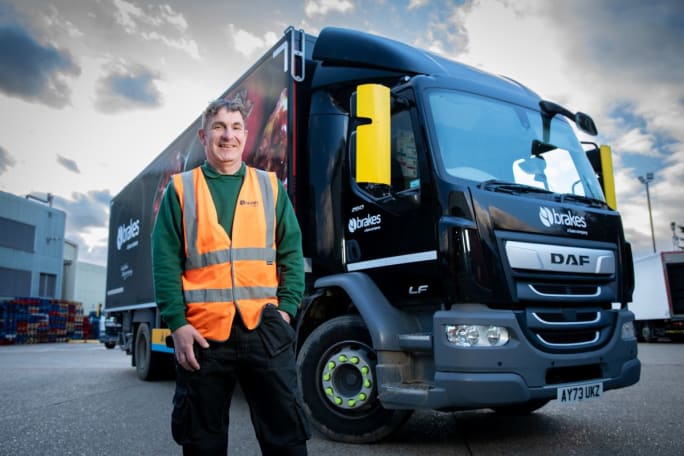
Samsara's study revealed that the majority (85%) of leaders agree that modern technology tools have made their industries more desirable to younger workers.
Photo: Samsara
Modern Tech is Shaping the Industry’s Future
The majority (85%) of leaders agree that modern technology tools have made their industries more desirable to younger workers. Many also report increased employee morale, improved productivity, and lower turnover. Recognizing their value in protecting workers from not-at-fault incidents and false claims, leaders ranked cameras as the top technology for improving recruitment and retention.
Automation and robotics closely followed, reflecting younger workers' emphasis on job safety and their comfort with technology that enhances workplace safety.
Technology Investments Pay Off Financially
Leaders also report significant financial benefits from technology investments. A substantial 41% say their safety-focused technology investments have saved their organization more than $1 million. Additionally, 99% confirmed that technology has empowered the workforce to shift their focus toward higher-value tasks, such as preventative maintenance, safety checks, and valuable upskilling opportunities.
E-learning platforms are also becoming standard, with 85% of organizations already using them to train and retain workers. Employee retention stands out as the top benefit of these investments, signaling a better employee experience and reduced turnover costs.
Why This Study Matters for Work Truck Fleets
For fleet managers, these trends reinforce the need to be proactive, not just in hiring, but in how they equip their teams. The challenge isn’t just finding drivers; it’s keeping them safe, engaged, and supported. Investing in the right technology can mean the difference between a fleet that struggles and one that thrives. Tools that enhance safety, provide real-time data, and streamline operations don’t just help the bottom line, they also create a better work environment for drivers.
As the workforce continues to shift, fleet managers who prioritize safety, efficiency, and employee well-being will be in the best position to attract and retain top talent. With the right approach, fleets can adapt to these changes while staying ahead of industry demands.
For more details, the full report is available from Samsara.
About the Research
The survey was conducted by independent research firm Wakefield Research between October 24 and November 4, 2024. It surveyed 1,550 physical operations leaders across seven countries: the United States, Mexico, the United Kingdom, Ireland, France, Germany, and Canada.
The survey was conducted online in English or translated into local languages as needed. Global results were aggregated to provide an average. Additional details about the research can be found in the full report.
More Technology
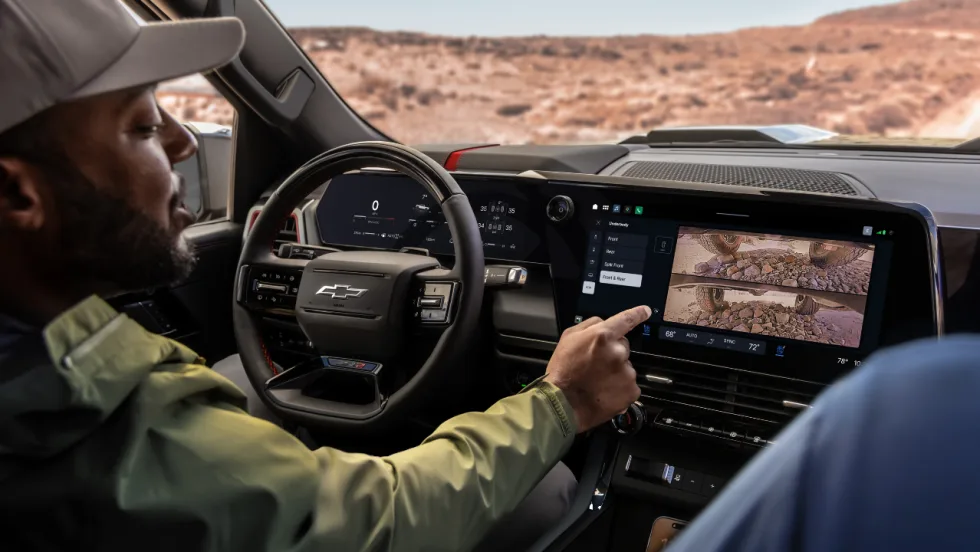
GM Brings New Truck Focused Interface to 2027 Silverado and Sierra
GM's new pickup interface puts trailering data, camera views, vehicle controls, and smartphone integration closer to the driver in the 2027 Silverado and Sierra.
Read More →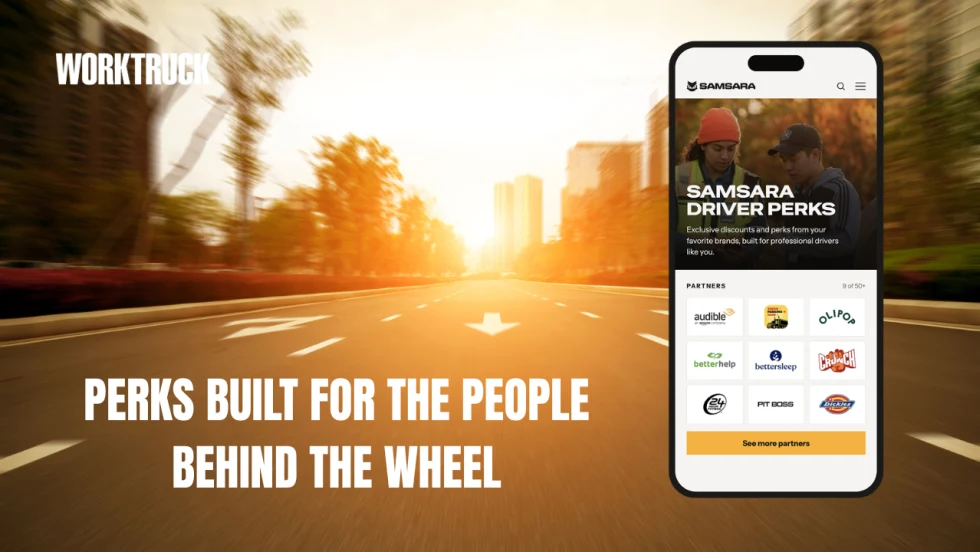
Samsara Driver Perks Expands Rewards Beyond the Long Haul Driver
Samsara’s new driver rewards program was built with a broader professional driver in mind, including employees who split their day between driving, job sites, service calls, and other work.
Read More →
AI Service Advisor Aims to Cut Fleet Repair Downtime
Fleetio said its AI Service Advisor can help fleets cut repair downtime by an average of 2.5 hours per repair while reducing manual maintenance work.
Read More →
Verra Mobility Launches AI-Driven Title & Registration Solution
Verra Mobility has launched a new AI-driven Title & Registration platform to help fleets move vehicles from acquisition to the road the same day while reducing compliance risk.
Read More →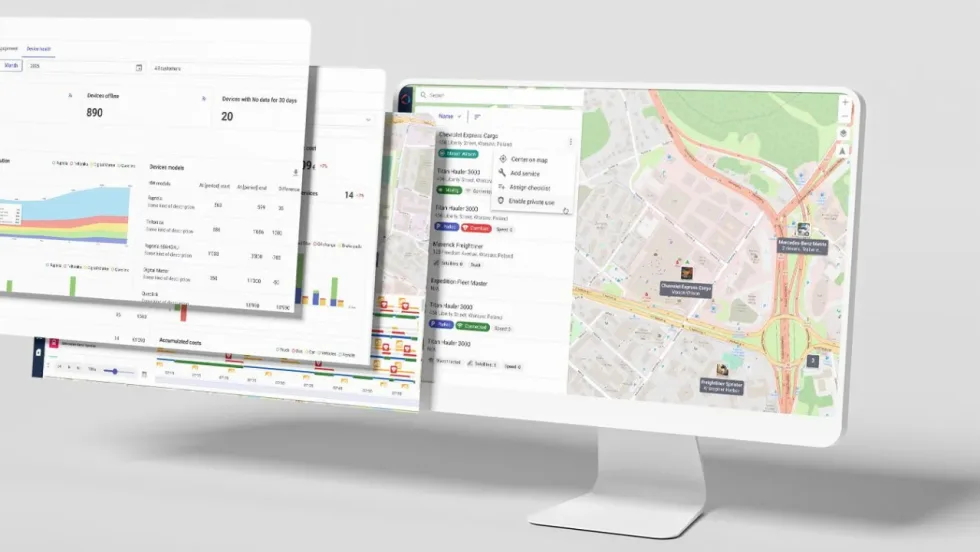
Wialon Unlocks OEM Data to Give Fleet Owners Data Ownership & Operational Clarity
Wialon has introduced hardware-free OEM integration as the EU Data Act accelerates the shift in vehicle data access across the fleet industry in many countries.
Read More →
Teletrac Navman Promotes New CEO from Within
Teletrac Navman’s next CEO, Ricardo Buranello, has served as the company’s chief financial and operating officer. He brings deep financial and operational expertise, a strong strategic orientation, and an intimate knowledge of the business to his new role.
Read More →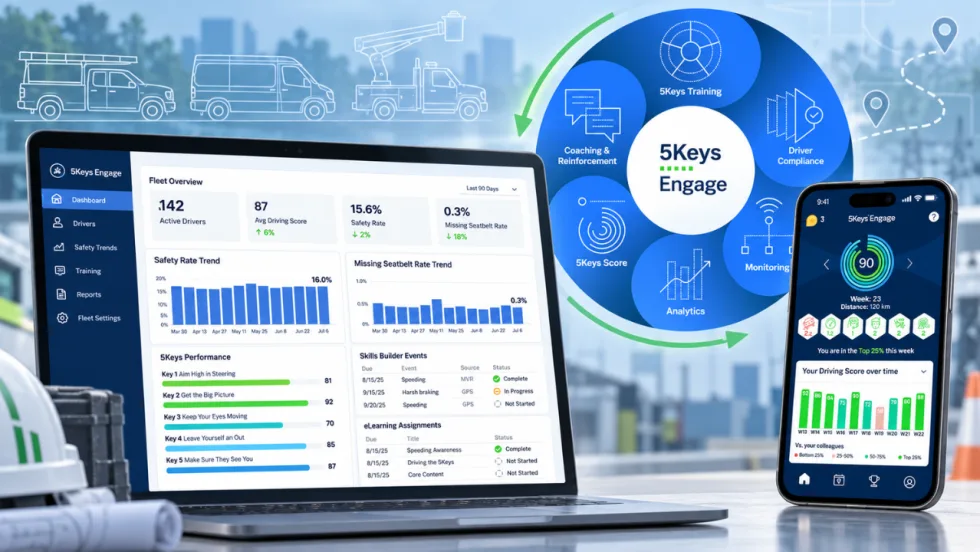
Smith System Wants Work Truck Fleets to Look Beyond the Driver Alert
Smith System’s new Driver Risk Management program is built to help mixed work truck fleets turn telematics alerts and observations into specific behaviors, coaching actions, and measurable follow-up.
Read More →
Ford Pro Software Updates: August 26
Check out the latest Ford Pro software updates, including Google Maps integration, Remote Vehicle Alarm integration, Motor Pool for easier management of shared pool vehicles, and more.
Read More →
Where AI Is Actually Saving Fleet Managers Time
AI is moving past the buzzword stage and into the daily fleet workflow. Fleetio’s Brianna Perry Lang breaks down where fleets are seeing real time savings, from maintenance and data entry to repair decisions, safety, and compliance
Read More →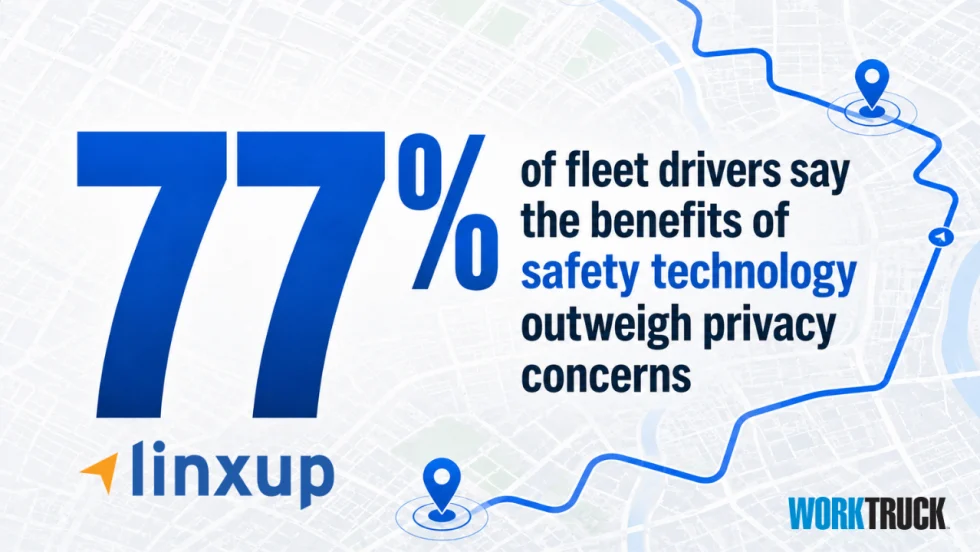
Are Work Truck Drivers Warming Up to Dash Cams and GPS Tracking?
A new survey finds field-service drivers may be more comfortable with dash cams and GPS tracking than fleet managers think, especially when the technology helps protect them after a crash.
Read More →