




Learn More: Work Truck Show 2021 - Media Day
Work Truck Trends: 2020 was the Year of Class 5
During a Work Truck Show 2021 virtual presentation, Andrej Divis, director, medium & heavy commercial vehicle research for IHS Markit, discussed some current work truck market trends and forecasts.

Lexi Tucker・Former Senior Editor
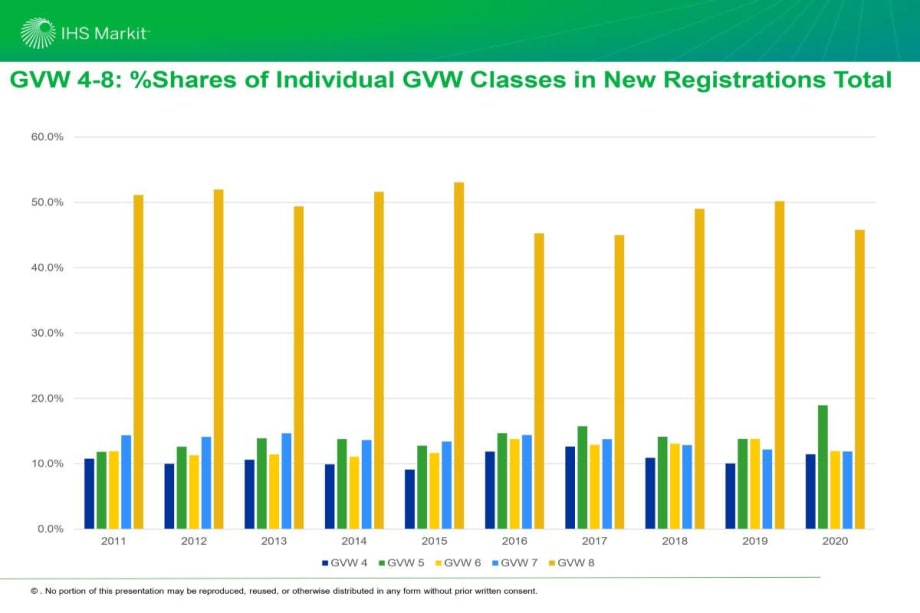
While 2019 was the year of Class 6, 2020 was the year of Class 5. Class 5 rose to nearly 20%, was the only class to gain share in 2020, and increased in volume significantly.
Photo: IHS Markit
2 min to read
During a Work Truck Show 2021 virtual presentation, Andrej Divis, director, medium & heavy commercial vehicle research for IHS Markit, discussed some current work truck market trends and forecasts.
Overall, 2020 was an unusual year. The Class 4-8 market collapsed by one-fifth, and both medium and heavy duty lost market share volume. However, the bulk of the contraction was borne by Class 8. Sales fell more than 26% for heavy duty, while medium duty fell by comparatively less (10%).
While 2019 was the year of Class 6, 2020 was the year of Class 5. Class 5 rose to nearly 20%, was the only class to gain share in 2020, and increased in volume significantly. This was largely due to the boom in ecommerce caused by the COVID-19 pandemic. Class 7 was the worst performer in 2020, and registered the lowest volume it’s seen in the last 10 years. It was also the lowest share in Class 4-8 overall.
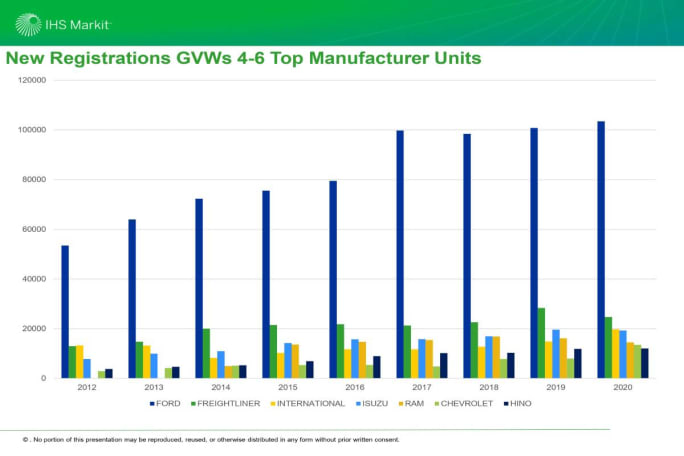
In Class 4-6, Ford kept its position as number one brand and increased its sales over last year.
Photo: IHS Markit
In Class 4-6, Ford kept its position as number one brand and increased its sales over last year. Chevrolet also had a sharp increase over 2019, likely due to its commitment to get back into medium duty commercial business in a big way with offerings beyond its van cutaways by bringing to market products produced jointly with its partners at Isuzu and Navstar. There were also notable increases registered by International as well due to efforts in product renewal taking place over the last few years.
Class 1-3 overall fell by about 15% due to pandemic stay at home orders. Vans declined by 27% year over year. Pickups declined by just 7%. However, Class 3 pickups were the big star in 2020. Various reasons include affordability, healthier development in the sectors some of these trucks might be used (notably in construction), and increases in purchases of towables.
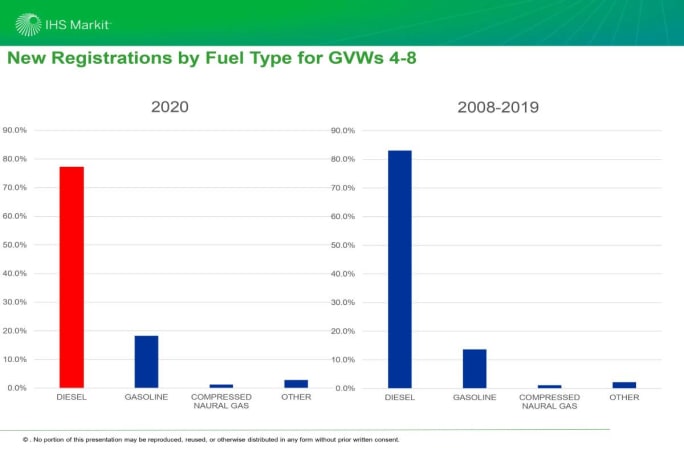
In the fuel category, there was an ongoing decline in the market share of diesel. Traditionally over 80%, it dipped under that mark in 2020.
Photo: IHS Markit
In the fuel category, there was an ongoing decline in the market share of diesel. Traditionally over 80%, it dipped under that mark in 2020. Gasoline increased to almost 20% of market share, and CNG remains a niche fuel. Diesel still remains dominant in Class 5- 8. Cummins remains the number one engine manufacturer for diesel.
The average age of a Class 4-8 truck fleet in 2020 was 13.8 years, broken down to the following:
Class 4: 14 years
Class 5: 10 years
Class 6:14 years
Class 7: 14 years
Class 8: 12 years
Overall, 2020 was a weak year for medium duty, but a recovery is expected in 2021. Classes 4 and 5 didn’t do that badly, so there won’t be as big of an increase. Classes 6-7 are predicted to share larger percentage gains in 2021.
More Vehicle Research
2026 Ram 1500 Tradesman Put to a Real-World Fleet Test
A few days behind the wheel of a 2026 Ram 1500 Tradesman turned into a test of visibility, parking, work-ready features, and even severe-weather driving.
Read More →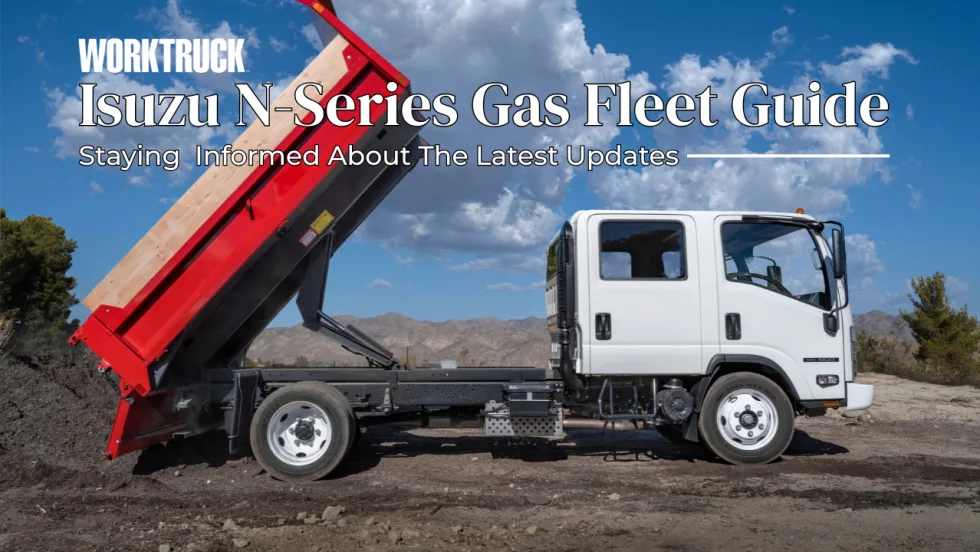
Isuzu N-Series Gas Fleet Guide: Specs, Capability and 2027 Model-Year Updates
Explore Isuzu Truck North America’s N-Series Gas fleet specs, engine performance, GVWR and payload capability, configurations, chassis dimensions, work-focused features, and 2027 model-year information.
Read More →
Chevrolet Silverado 1500 Fleet Guide Specs Capability and 2027 Model-Year Updates
The next-generation 2027 Chevrolet Silverado 1500 brings new V-8 engines, updated technology, expanded safety features, and a fleet-focused Work Truck. Here’s what commercial fleets need to know so far.
Read More →
Ram ProMaster City Fleet Guide Specs Cargo Capacity and 2027 Updates
Work Truck’s Ram ProMaster City Fleet Guide tracks the latest specifications, cargo capability, configurations, fleet technology, pricing, and model-year updates for Ram’s mid-size commercial van.
Read More →
Ford F-150 Fleet Guide Specs Capability and 2026 Model-Year Updates
Explore 2026 Ford F-150 fleet specs, engines, towing and payload capability, configurations, work features, technology, and model-year updates.
Read More →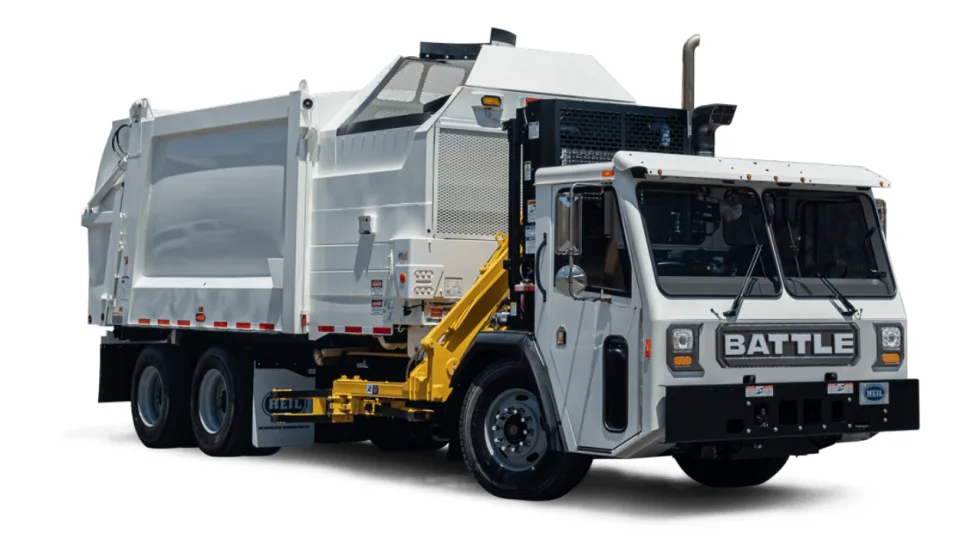
TCI Now Sells & Supports Battle Motors’ Vocational Trucks
Midwest truck dealer Truck Centers, Inc. (TCI) has expanded its transportation solutions with sales and service support for Battle Motors’ heavy-duty vocational trucks at locations in locations in Indiana, Illinois, and Missouri
Read More →
Ram 1500 Fleet Guide Specs, Capability and 2027 Model-Year Updates
Explore always up-to-date Ram 1500 fleet specs, engines, towing and payload capability, configurations, technology, pricing updates, and model-year changes.
Read More →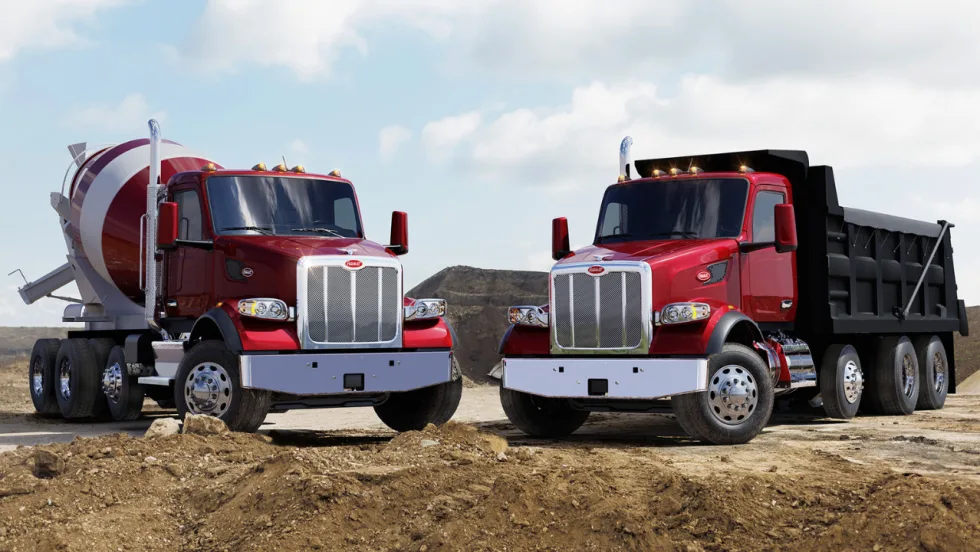
Peterbilt Trucks Equipped with Paccar TX-18 Pro Boost Efficiency for Maryland Fleet
Patuxent Companies is replacing aging trucks with the Peterbilt Model 567 and Model 589, specified with the Paccar TX-18 Pro 18-speed automated transmissions, and is reporting an 8% to 10% improvement in fuel economy.
Read More →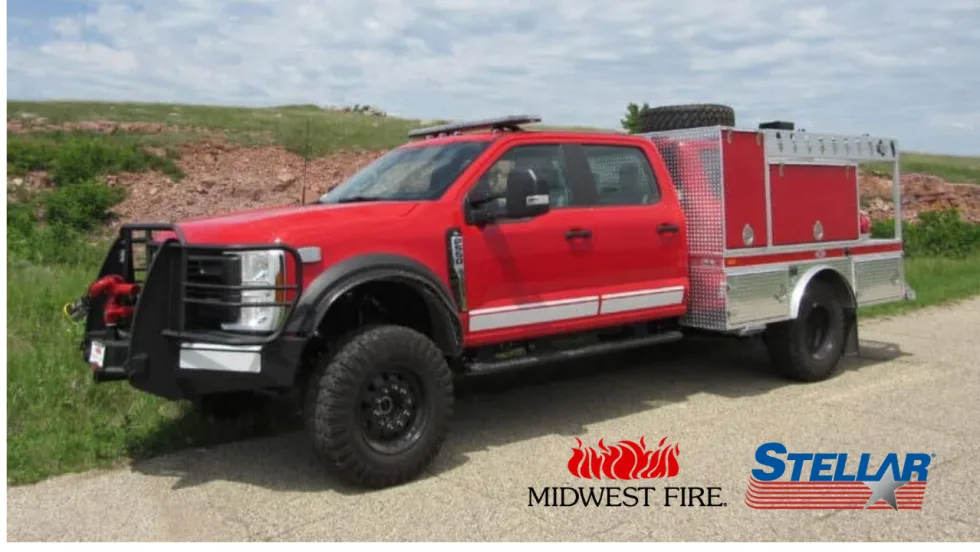
Stellar Expands into Fire Apparatus Market with Acquisition of Midwest Fire
Stellar Industries has acquired Midwest Fire, a custom fire apparatus manufacturer headquartered in Luverne, Minnesota, with nearly four decades of specialized apparatus experience.
Read More →
Recalls You Need to Know About in August 2026
If you have Altec, Chrysler, Ford, Heil, General Motors, International, Mack Trucks, Paccar, Rivian, Royal Truck, Toyota, US Truck Body, or Volvo Trucks vehicles in your fleet, you should check these important recalls issued by the National Highway Safety Administration.
Read More →