





Related News: Q&A: WiTricity CMO Amy Barzdukas on Wireless Charging for MD Trucks
Wireless Charging Could Cut EV Fleet Costs in Half
A study by Witricity shows how fleets can adapt their charging model to business workflows by bringing the charge to EVs where they are.
September 23, 2021

Untethered from the cord, vehicles have more time to charge, and can do so at lower power, such as at the dock being loaded, at the depot being cleaned or prepped, or while parked.
Photo: Witricity
3 min to read
WiTricity, a company that provides wireless charging systems, on Sept. 22 released results of a study that evaluated the relative total cost of ownership (TCO) of adopting and running an electric vehicle (EV) fleet for last-mile parcel delivery when those vehicles were equipped with wireless charging instead of plug-in charging.
The study found that when using wireless charging technology, last-mile EV fleets saved up to 50% in TCO.
In a standard plug-in model, EVs are taken out of service to charge: a driver moves the EV to the charger, plugs in, and there the EV remains until sufficiently charged. In contrast, wireless charging lets fleets adapt their charging model to existing business workflows by bringing the charge to the EVs where they are: at the dock being loaded, at the depot being cleaned or prepped, or while parked. Untethered from the cord, vehicles have more time to charge, and can do so at lower power.
The outcome: lower costs by flattening the curve on “demand charges,” the compensation paid to the utility for maintaining the grid with sufficient capacity to energize a customer’s needs at peak draw. Given that electric utility charges are one of the top three components of the lifetime cost of an EV (the other two are vehicle miles traveled and vehicle purchase price), the result is a reduction in the overall TCO of going electric.
“With businesses and government agencies upgrading their last-mile fleets to be electric — from delivery vans to mail trucks — there are clear, major benefits of being able to charge those wirelessly,” said Alex Gruzen, WiTricity CEO. “Our analysis shows that WiTricity’s technology introduces great flexibility with significantly lower costs.”
WiTricity compared the use of 50kW plug-in charging to 24kW wireless charging with the fleet running two 8-hour shifts, leaving four hours per shift for charging and depot operations. The study found that wireless charging in place of plug-in charging:
Doubles the duration of charging operations. This is because wireless charging pads can be installed at key locations across the depot — loading docks, cleaning areas, parking areas — so vehicles can charge in parallel to other depot operations just by parking as they normally would.
Reduces peak electrical demand for the depot by half. Spreading the charging load across more time means that the demand charges from the utility are lower. This also has a further benefit of reducing overall stress on the electric grid.
Decreases exposure to back-up energy generation infrastructure and operation costs. Like the peak load calculations for energy demand charges, the demand for power from backup energy sources like micro-turbines or traditional diesel generators is lessened as well.
Cuts down on labor costs and maintenance. With wireless charging, no human intervention is required to plug and unplug, so there’s increased autonomy and lower labor costs. Additionally, wireless charging incurs very low maintenance because there are no serviceable parts, active cooling, or mechanical connectors that wear out or need to be replaced.
WiTricity information:witricity.com / Study information here.
Originally posted on Charged Fleet
More Green Fleet

Fleet Forward Conference Introduces One-Day Passes for 2026
New one-day registration gives fleet professionals the flexibility to attend Tuesday, Wednesday, or Thursday, with passes available for $199 through Sept. 18.
Read More →
CALSTART Rebrands as Catalyst Mobility, Will Combine with Forth in 2027
CALSTART has rebranded as Catalyst Mobility and will combine with Forth at the start of 2027. The new organization said it is poised to become one of the world's largest, strongest, and most impactful clean transportation nonprofits.
Read More →
Electric Truck and Charging Programs to Boost Sustainability at NY & NJ Ports
Together, the Port Authority of New York and New Jersey and CALSTART will electrify drayage and terminal operations serving the East Coast’s busiest container port. A pair of incentive programs totaling $45 million has launched to accelerate adoption of zero-emission drayage trucks and terminal tractors.
Read More →
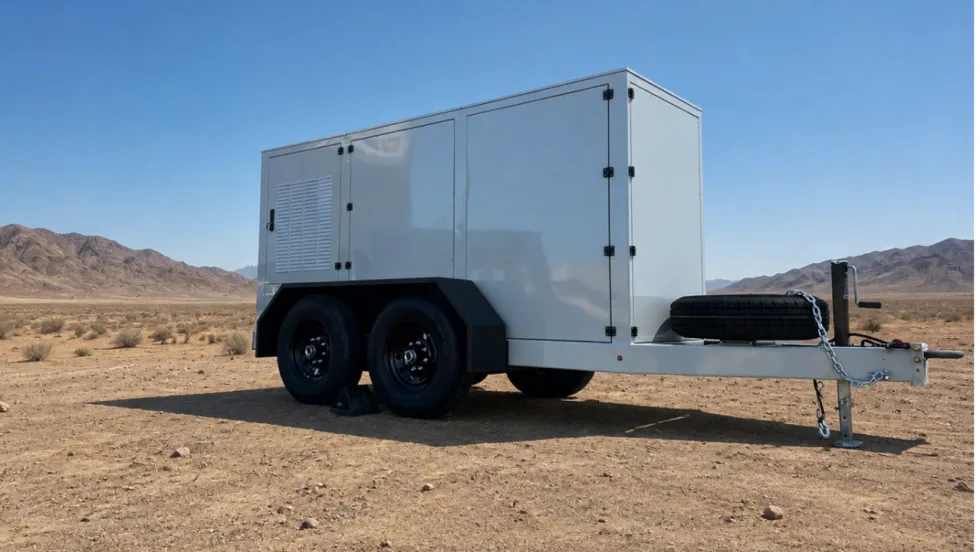
Xos Hub Surpasses One Gigawatt-Hour of Energy Delivered in the Field
A single Xos Hub has surpassed one gigawatt-hour of energy across more than 33,600 charging sessions in the field, demonstrating performance that supports Xos' expansion across new products and markets.
Read More →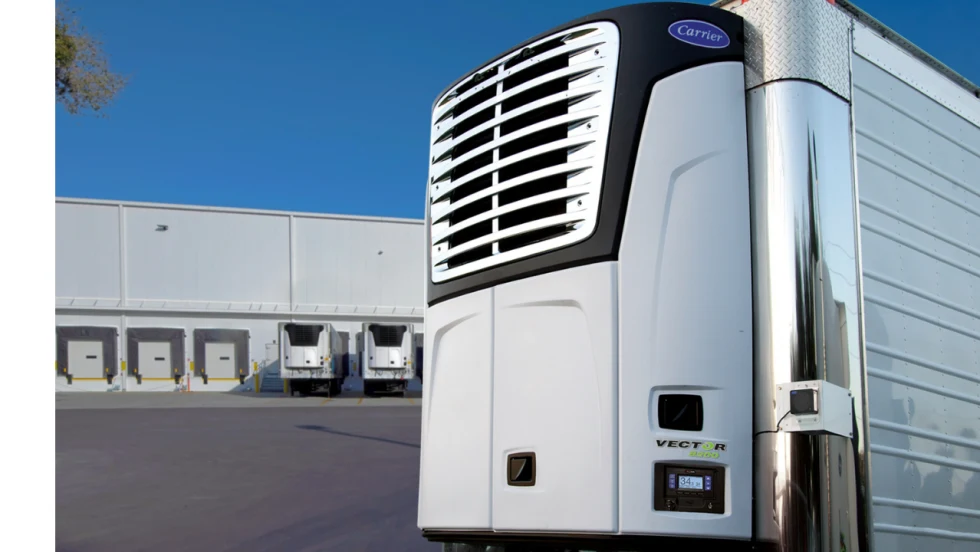
Carrier Transicold Launches All-Electric Vector 8200 TRU for Diesel-Free On-Site Cold Storage
Carrier Transicold’s first engineless multi-temperature TRU helps fresh- and frozen-food fleets add supplemental cold storage capacity during seasonal peaks.
Read More →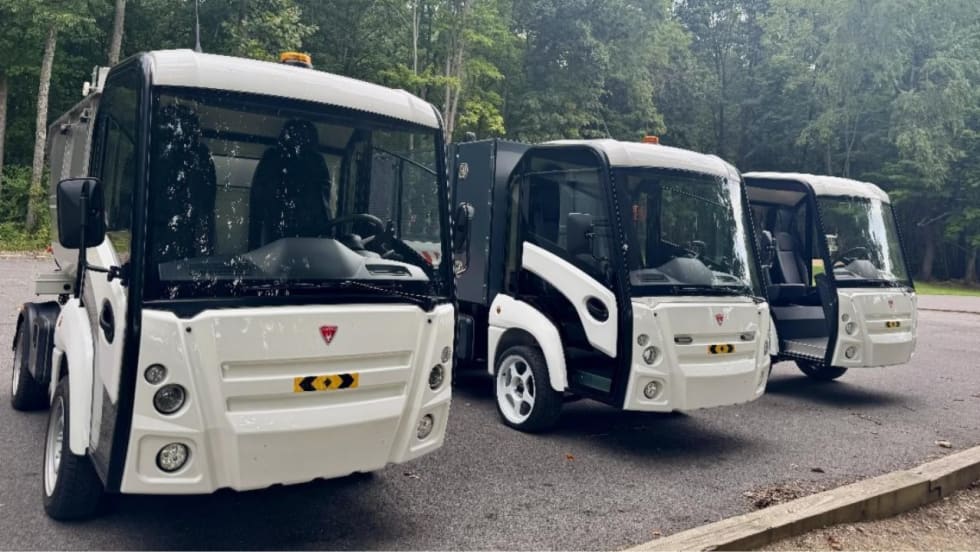
Narro Trucks Introduces Electric Utility Vehicle
Narro Trucks officially launched its operations on Aug. 20 and hosted a ride and drive to showcase its electric truck, which will be produced in Virginia.
Read More →
Samsung SDI Takes Full Control of GM Battery JV as Indiana Plant Pivots to Energy Storage
Samsung SDI is taking full control of its Indiana battery plant with GM, marking a major shift from the EV-focused joint venture Charged Fleet first covered in 2023.
Read More →
NWSA Taps CALSTART to Administer Zero-Emission Drayage Assistance Program
CALSTART will provide free technical assistance services to drayage fleets serving the Ports of Seattle and Tacoma and looking to transition to cleaner technologies and help decarbonize freight hubs.
Read More →
EV Fleet Reality Check: What Operators Wish They Knew Before Electrifying Their Work Vans
Electric work truck upfits bring new compatibility questions. Learn how parts availability, OEM guidance, power demands, and route planning can affect fleet performance.
Read More →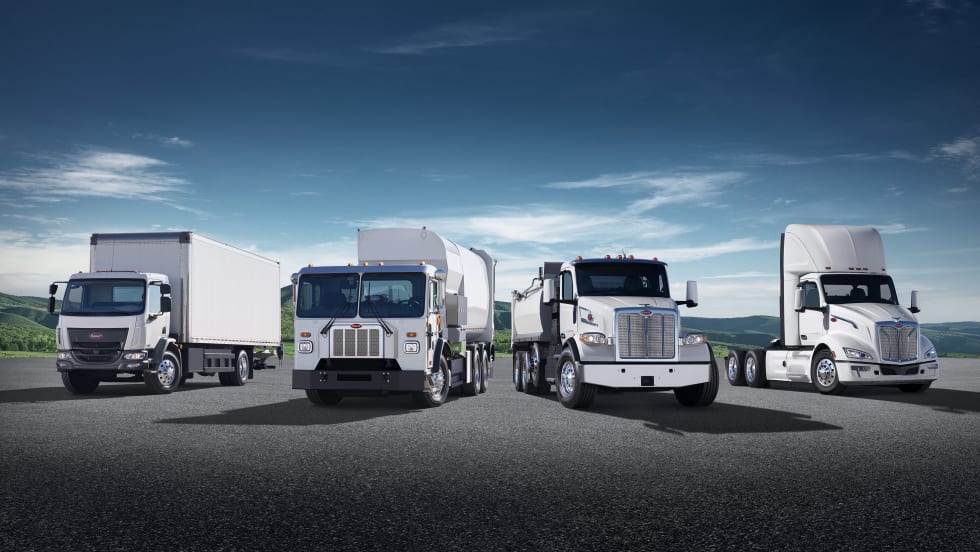
Peterbilt Expands Sourcewell Partnership with Electric Vehicle Lineup
Peterbilt Motors Company’s cooperative purchasing agreement with Sourcewell and its Canadian partner, Canoe Procurement Group, now includes including Peterbilt's battery-electric vehicle lineup.
Read More →