




Willis Reveals New At-Work Accident Stats
The company demonstrates the ability to quantify previously anecdotal information.
Willis Re, the reinsurance operations of global broker Willis Group Holdings recently issued new research on at-work motor vehicle accidents; a significant and common concern among carriers insuring the Workers’ Compensation (WC) class of business.
The Willis research quantifies for the first time WC insurers’ exposure to motor vehicle accidents with more than one worker in the vehicle. Willis’ ability to measure this is crucial in helping underwriters become more comfortable writing accounts with this exposure. This is particularly important because all WC carriers are exposed to this peril, regardless of the profession of the insured.
Recent studies confirm that at-work motor vehicle accidents are extremely severe and a growing share of total WC losses. Subsequently, reinsurers are also paying close attention to this problem and trying to incorporate this exposure into their pricing.
The key findings of the research are:
• The majority of WC motor vehicle accidents are single occupant.
• WC motor vehicle accidents with more than eight occupants are extremely rare, even on a national basis.
• Motor vehicle accidents have a very high ratio of fatality to permanent total (PT) injuries. However, auto safety advances could increase the frequency of the PTs (which are extremely expensive), thus increasing the economic risk to WC carriers.
The Willis Re Workers Compensation Resource Group will continue to research this issue and intends to identify individual insurer expected loss, focus on specific class codes and consider the impact of a potential increase in the frequency of permanent total claims.
More Small Fleet

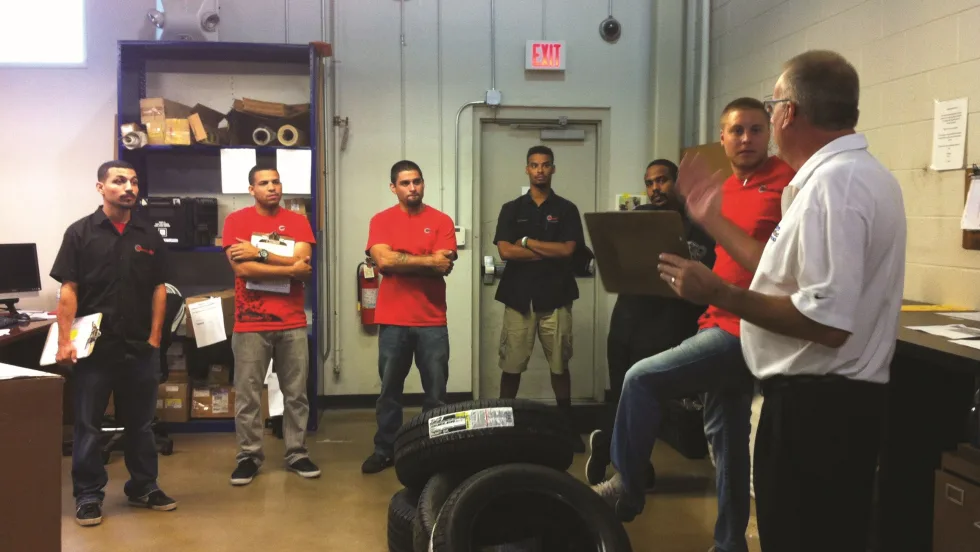
Developing Budget-Friendly Driver Safety Programs
From driver training and safety meetings to one-on-one coaching and incentive programs, several small fleets share how they have developed a safety culture with their drivers using low- to no-cost resources.
Read More →
Boosting Last-Mile Fleet Uptime, Safety, and Value with AI Vehicle Inspections
AI-powered inspections are transforming last-mile fleets by replacing manual checks with highly accurate automated scans that detect defects in seconds. By giving fleet operations visibility into the daily condition of their vehicles, you can identify trends over the vehicle’s lifecycle that enable improved procurement decisions, route management, driver training and accountability.
Read More →
Five Ways Seat Belts Help Prevent Injuries
There are five ways seat belts protect occupants from injuries, according to the Tennessee Department of Safety and Homeland Security.
Read More →
It’s here: The 2026 Fleet Technology Trends Report
What does AI mean for fleets? Get the answer — and learn other top tech trends.
Read More →
Small Fleets, Big Impact: How Independent Drivers Power Wreaths Across America
Check out how small fleets and independent drivers power Wreaths Across America each December and why their impact matters more than ever.
Read More →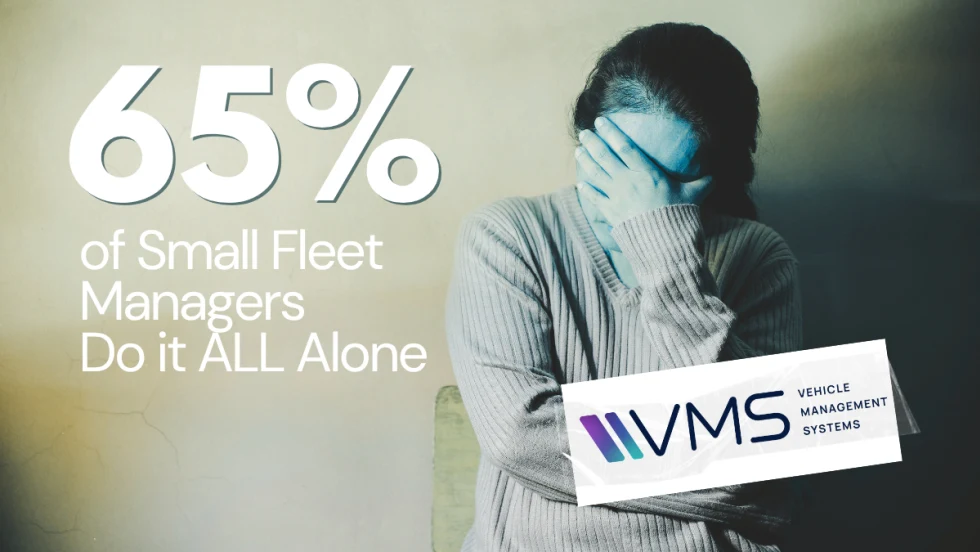
VMS Survey Finds 65% of Small Fleet Managers Run Operations Alone
A new VMS survey shows small fleet managers are stretched thin, with most handling operations solo and eager to adopt digital tools for relief.
Read More →
Tips for Driving Safely on Halloween Night
This video features a reminder from the Connecticut Department of Transportation (DOT) and the Connecticut Police Chiefs Association, urging drivers to prioritize safety this Halloween.
Read More →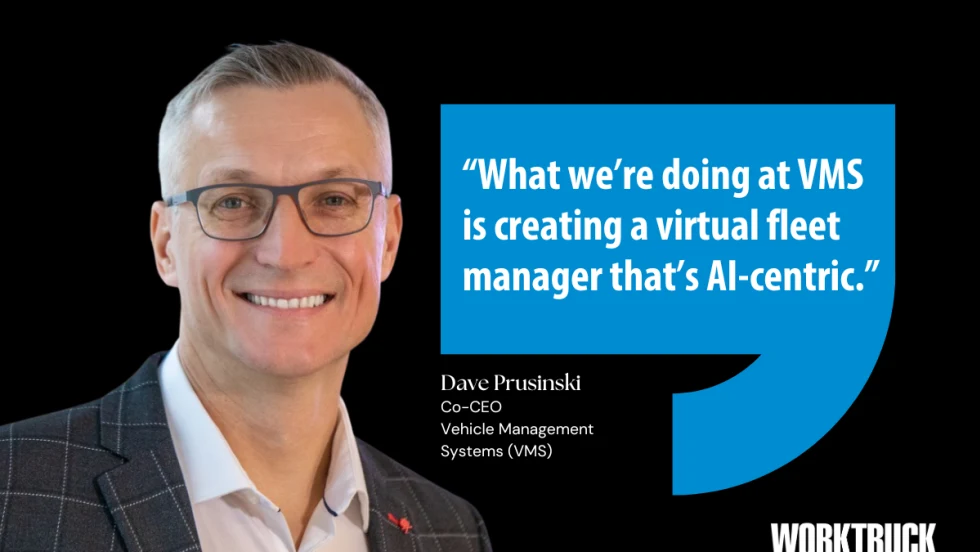
AI, Access, and Uptime: VMS’s Next Chapter with David Prusinski
VMS’s new Co-CEO, David Prusinski, shares how an AI-first approach will give small fleets and repair shops the tools to compete like big players.
Read More →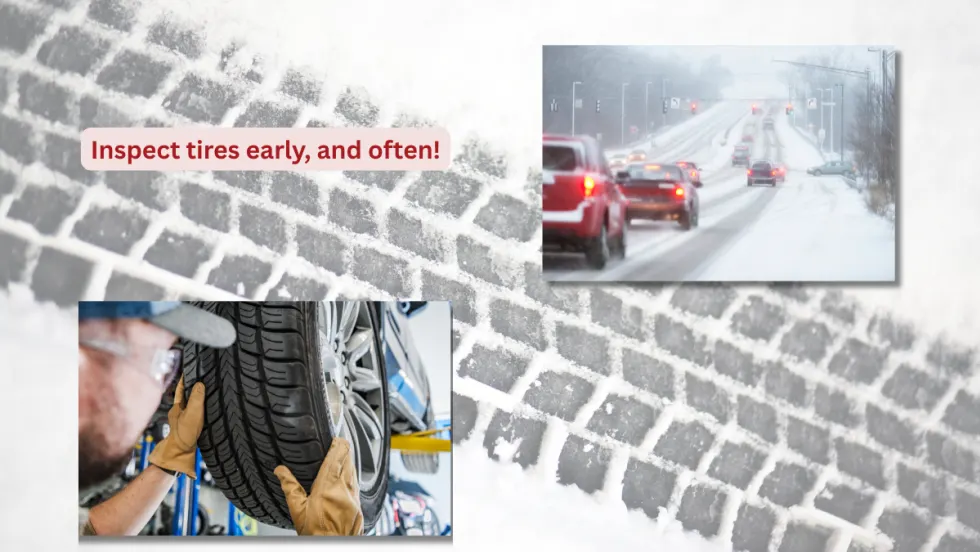
Fleet Managers Share Winter Prep Tips: It's Never Too Early!
Three fleets share best practices to prep vehicles for winter and prevent downtime when the cold sets in.
Read More →