




White House, NHTSA Debating Tire Monitoring Systems
The White House Office of Management and Budget (OMB) has sent back to the National Highway Traffic Safety Administration (NHTSA) the agency's proposed standard for tire-pressure-monitoring systems in cars, according to a USA Today story by Earle Eldridge. OMB wants NHTSA to look at using a tire-pressure-monitoring system that relies on a car's or truck's anti-lock brake system. It's less costly -- and less accurate -- than the system NHTSA wants to require. The ABS system monitors the speed of each tire to calculate its pressure. The system favored by NHTSA measures the actual pressure of each tire. John Graham, OMB administrator of information and regulatory affairs, maintains that requiring an ABS-based system would force automakers to install more of the advanced-braking systems, likely saving lives over the long term. Graham said in a letter to NHTSA that about two-thirds of new vehicles now come with ABS, leaving room for growth. "Both experimental evidence and recent real-world data have indicated a modest net safety benefit from anti-lock brakes," Graham says in his letter. Automakers want to be able to use either system. Both work, according to Gloria Bergquist, spokeswoman for the Alliance of Automobile Manufacturers. "Both have been proven to alert drivers to low tire pressure, which is what Congress asked for. And one is a low-cost option," Bergquist said. NHTSA officials refused to comment other than to say the agency has received the letter and is looking at Graham's proposal, according to USA Today.
More Small Fleet

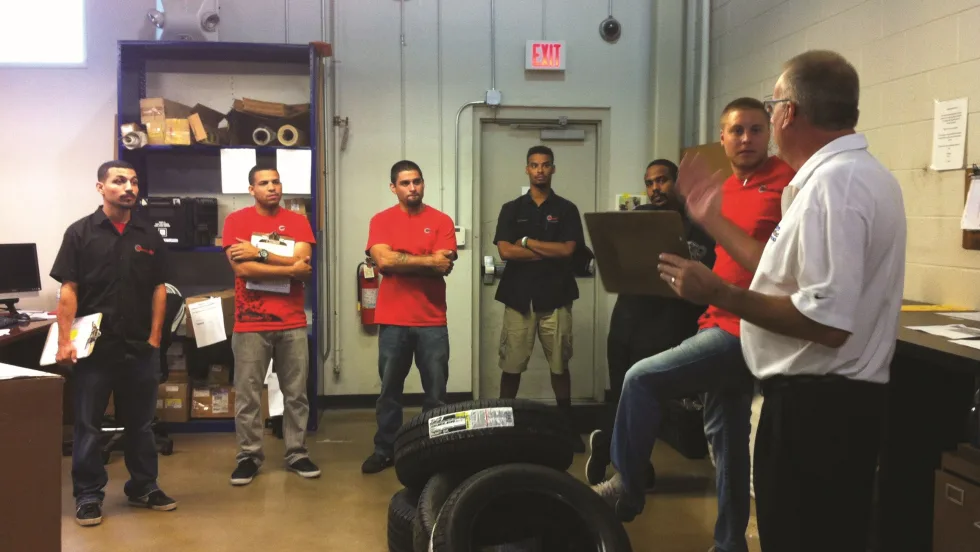
Developing Budget-Friendly Driver Safety Programs
From driver training and safety meetings to one-on-one coaching and incentive programs, several small fleets share how they have developed a safety culture with their drivers using low- to no-cost resources.
Read More →
Boosting Last-Mile Fleet Uptime, Safety, and Value with AI Vehicle Inspections
AI-powered inspections are transforming last-mile fleets by replacing manual checks with highly accurate automated scans that detect defects in seconds. By giving fleet operations visibility into the daily condition of their vehicles, you can identify trends over the vehicle’s lifecycle that enable improved procurement decisions, route management, driver training and accountability.
Read More →

Five Ways Seat Belts Help Prevent Injuries
There are five ways seat belts protect occupants from injuries, according to the Tennessee Department of Safety and Homeland Security.
Read More →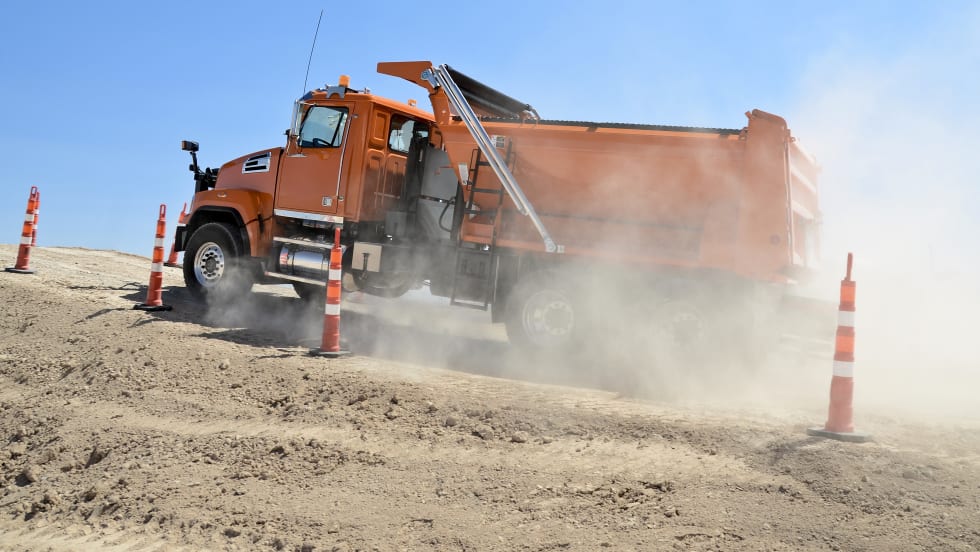
Basic Tracking vs Next Generation Fleet Technology
Fleet software is getting more sophisticated and effective than ever, tying big data models together to transform maintenance, safety, and the value of your existing tech stack. Fleet technology upgrades are undoubtedly an investment, but updated technology can offer a much higher return. Read how upgrading your fleet technology can increase the return on your investment.
Read More →
It’s here: The 2026 Fleet Technology Trends Report
What does AI mean for fleets? Get the answer — and learn other top tech trends.
Read More →
Small Fleets, Big Impact: How Independent Drivers Power Wreaths Across America
Check out how small fleets and independent drivers power Wreaths Across America each December and why their impact matters more than ever.
Read More →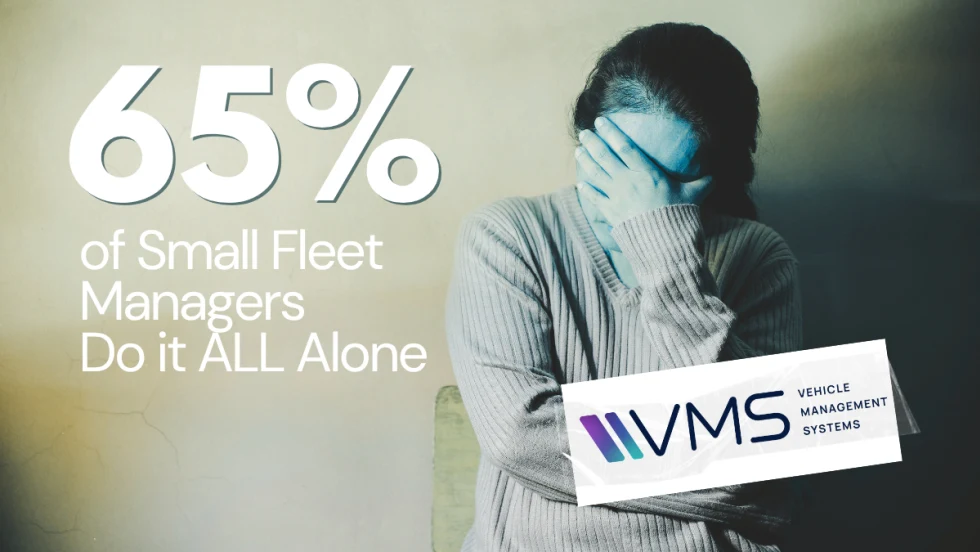
VMS Survey Finds 65% of Small Fleet Managers Run Operations Alone
A new VMS survey shows small fleet managers are stretched thin, with most handling operations solo and eager to adopt digital tools for relief.
Read More →
Tips for Driving Safely on Halloween Night
This video features a reminder from the Connecticut Department of Transportation (DOT) and the Connecticut Police Chiefs Association, urging drivers to prioritize safety this Halloween.
Read More →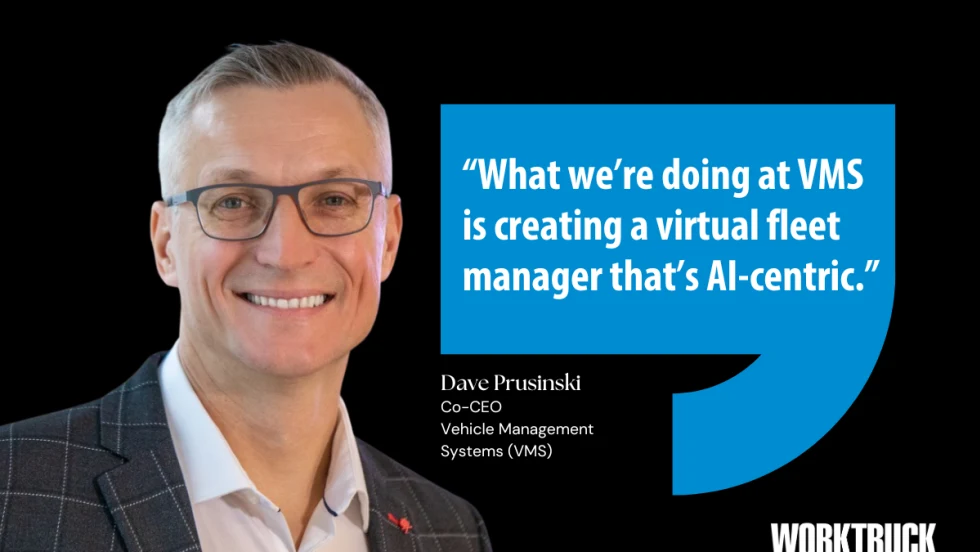
AI, Access, and Uptime: VMS’s Next Chapter with David Prusinski
VMS’s new Co-CEO, David Prusinski, shares how an AI-first approach will give small fleets and repair shops the tools to compete like big players.
Read More →