




Which Emits Less Carbon Dioxide, Hybrids or Natural Gas Cars?
The answer depends on whether the vehicles are doing city or highway driving.
Hybrid vehicles produce the lowest carbon dioxide emissions during city driving, while natural gas cars do best on the highway, according to research institute Empa.
The Empa study, performed on behalf of the Swiss Federal Office for the Environment, investigated the carbon dioxide emissions of current hybrid and natural gas-fueled cars. Under mixed conditions (everyday driving), both types of vehicles offer reductions of up to 25 percent in carbon dioxide emissions compared to conventional gasoline models, the Empa engineers found.
In city driving, hybrids can achieve up to twice the efficiency of gasoline models. But during rural driving conditions, hybrids show little savings in terms of fuel consumption or carbon dioxide emissions compared to gasoline vehicles and none at all on the motorway, the study found. During highway driving, natural gas vehicles emit less carbon dioxide than hybrid cars, and during rural driving conditions, natural gas cars and hybrids are equally "clean."
The institute concluded that the total carbon dioxide emission levels of natural gas-powered automobiles are quite comparable to those of hybrid vehicles, and when rural and highway driving predominate, then they are in fact better.
More Small Fleet


Developing Budget-Friendly Driver Safety Programs
From driver training and safety meetings to one-on-one coaching and incentive programs, several small fleets share how they have developed a safety culture with their drivers using low- to no-cost resources.
Read More →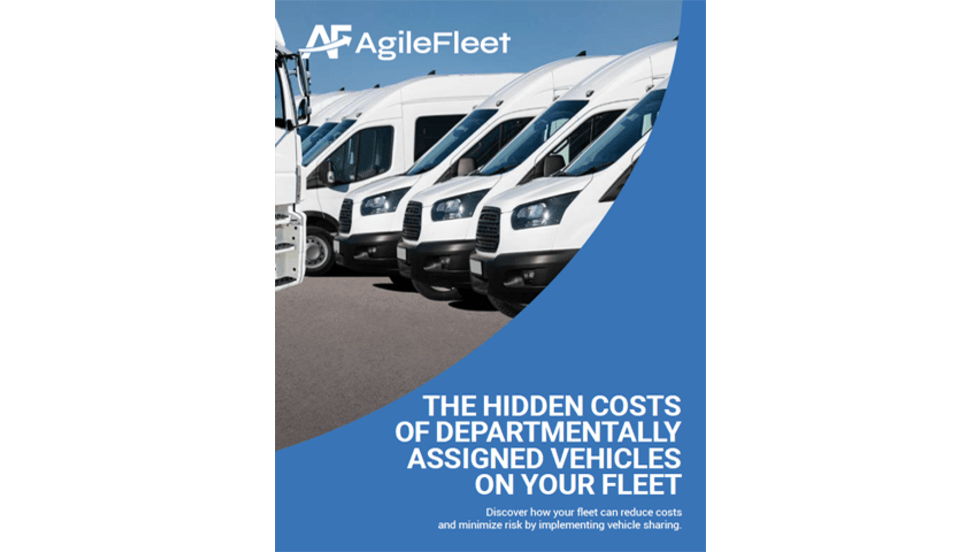
Why Fleet Managers Are Replacing Departmental Vehicles with Shared Motor Pools
Departmentally assigned vehicles often create hidden costs through underutilization, poor visibility, and increased administrative burden. This white paper explores how shared motor pool strategies help fleets reduce costs, improve accountability, and optimize vehicle utilization.
Read More →
Boosting Last-Mile Fleet Uptime, Safety, and Value with AI Vehicle Inspections
AI-powered inspections are transforming last-mile fleets by replacing manual checks with highly accurate automated scans that detect defects in seconds. By giving fleet operations visibility into the daily condition of their vehicles, you can identify trends over the vehicle’s lifecycle that enable improved procurement decisions, route management, driver training and accountability.
Read More →
Five Ways Seat Belts Help Prevent Injuries
There are five ways seat belts protect occupants from injuries, according to the Tennessee Department of Safety and Homeland Security.
Read More →
It’s here: The 2026 Fleet Technology Trends Report
What does AI mean for fleets? Get the answer — and learn other top tech trends.
Read More →
Small Fleets, Big Impact: How Independent Drivers Power Wreaths Across America
Check out how small fleets and independent drivers power Wreaths Across America each December and why their impact matters more than ever.
Read More →
VMS Survey Finds 65% of Small Fleet Managers Run Operations Alone
A new VMS survey shows small fleet managers are stretched thin, with most handling operations solo and eager to adopt digital tools for relief.
Read More →
Tips for Driving Safely on Halloween Night
This video features a reminder from the Connecticut Department of Transportation (DOT) and the Connecticut Police Chiefs Association, urging drivers to prioritize safety this Halloween.
Read More →
AI, Access, and Uptime: VMS’s Next Chapter with David Prusinski
VMS’s new Co-CEO, David Prusinski, shares how an AI-first approach will give small fleets and repair shops the tools to compete like big players.
Read More →