




What’s Your Mileage Reimbursement? Pizza Hut Driver Sues
Reimbursement to employees driving personal vehicles for company business is becoming increasingly contentious, especially if you deliver pizzas. This is a summary of story from Pizzamarketplace.com from August 24. On June 20, seven lawyers representing delivery driver Franklin Castillo filed a complaint in the Superior Court of the State of California (Los Angeles) claiming Pizza Hut, Inc. failed to reimburse him fully for work-related auto expenses. According to the 14-page complaint, Castillo receives 50 cents per delivery run, which he alleges is well below the actual cost he absorbs operating his personal vehicle on behalf of Pizza Hut. Lawyers representing Castillo are confident the suit will become a class action representing as many as 1,000 Pizza Hut drivers working the chain’s 270 California units. Pizza Hut officials call the complaint unfounded, noting that it is common pizza industry practice to pay drivers 50 cents per order. Castillo’s lawyers say California law requires employers to reimburse employees for all expenses necessarily incurred in the direct discharge of their responsibilities. Fifty cents per delivery doesn’t cover that. IRS media relations spokesperson John Lipold said by phone from Washington, D.C., that he wasn’t aware of any government regulations for delivery-driver reimbursement. The IRS has no power to set or enforce reimbursement standards, he said. All the agency can do is set deductions drivers and operators are allowed to take on their tax returns. Pizza Hut spokesperson Patty Sullivan said that since the company pays drivers at its corporate stores (franchisees are free to pay more if they choose) 50 cents per customer order delivered — not 50 cents per run as stated in Castillo’s complaint — reimbursement per run could be $1 to $1.50. When combined with minimum wage and tips, the total package is fair, she said. Either way, it’s far less than the American Automobile Association’s 2004 cents-per-mile estimates for operating a car (which include charges for depreciation, wear, maintenance and fuel).
More Small Fleet


Developing Budget-Friendly Driver Safety Programs
From driver training and safety meetings to one-on-one coaching and incentive programs, several small fleets share how they have developed a safety culture with their drivers using low- to no-cost resources.
Read More →
Boosting Last-Mile Fleet Uptime, Safety, and Value with AI Vehicle Inspections
AI-powered inspections are transforming last-mile fleets by replacing manual checks with highly accurate automated scans that detect defects in seconds. By giving fleet operations visibility into the daily condition of their vehicles, you can identify trends over the vehicle’s lifecycle that enable improved procurement decisions, route management, driver training and accountability.
Read More →

Five Ways Seat Belts Help Prevent Injuries
There are five ways seat belts protect occupants from injuries, according to the Tennessee Department of Safety and Homeland Security.
Read More →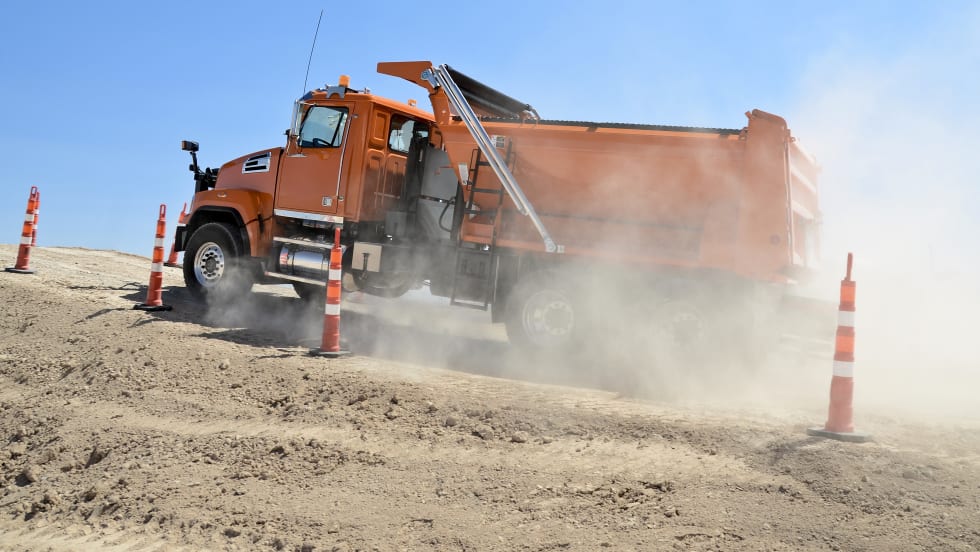
Basic Tracking vs Next Generation Fleet Technology
Fleet software is getting more sophisticated and effective than ever, tying big data models together to transform maintenance, safety, and the value of your existing tech stack. Fleet technology upgrades are undoubtedly an investment, but updated technology can offer a much higher return. Read how upgrading your fleet technology can increase the return on your investment.
Read More →
It’s here: The 2026 Fleet Technology Trends Report
What does AI mean for fleets? Get the answer — and learn other top tech trends.
Read More →
Small Fleets, Big Impact: How Independent Drivers Power Wreaths Across America
Check out how small fleets and independent drivers power Wreaths Across America each December and why their impact matters more than ever.
Read More →
VMS Survey Finds 65% of Small Fleet Managers Run Operations Alone
A new VMS survey shows small fleet managers are stretched thin, with most handling operations solo and eager to adopt digital tools for relief.
Read More →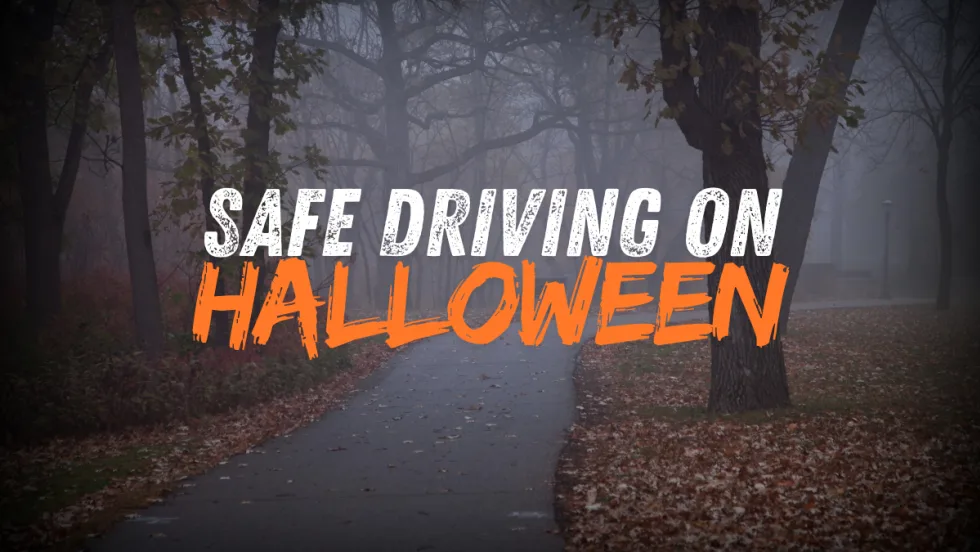
Tips for Driving Safely on Halloween Night
This video features a reminder from the Connecticut Department of Transportation (DOT) and the Connecticut Police Chiefs Association, urging drivers to prioritize safety this Halloween.
Read More →
AI, Access, and Uptime: VMS’s Next Chapter with David Prusinski
VMS’s new Co-CEO, David Prusinski, shares how an AI-first approach will give small fleets and repair shops the tools to compete like big players.
Read More →