




What if natural gas prices go up?
Deborah Lockridge, editor in chief of Heavy-Duty Trucking magazine, takes a look at natural gas prices and what they might look like in the coming years.
From "All That's Trucking" blog by Deborah Lockridge, editor in chief of Heavy-Duty Trucking magazine
The boom in natural gas production in the U.S. has created an oversupply, leading to 10-year lows in natural gas prices. At the same time, some natural gas producers have cut back because of the low prices. If demand for natural gas increases, some wonder, won't prices increase, too?
Natural gas prices are currently running around $2.70 per million Btu, or MMBtu. (Natural gas is also measured in cubic feet. One cubic foot of natural gas produces approximately 1,000 Btu, so 1,000 cubic feet of gas is comparable to 1 MMBtu.)
For comparison, from 1990 through 2012, natural gas futures prices averaged $4.10 per MMBtu, reaching a record high of $15.35 in 2005 in the wake of hurricanes Katrina and Rita, which shut off natural gas supply flows along the Gulf Coast.
The Department of Energy (DOE) expects natural gas prices to rise. The DOE's Energy Information Administration projects that after 2017, natural gas prices will rise more rapidly than crude oil prices - but oil prices will still be at least three times higher than natural gas prices.
Natural-gas evangelist and energy magnate T. Boone Pickens has said natural gas prices need to be around $5 MMBtu to make economic sense for natural-gas producers.
So it's a pretty sure bet that natural gas commodity prices will rise. But natural gas experts say even a large price spike in the commodities price will not result in a correspondingly large spike at the pump.
"I think the laws of supply and demand definitely would create some movement in pricing, but I think it's important to understand the fundamental cost of the fuel in the retail environment," says Scott Perry, who heads up Ryder's alternative fuels program.
He explains that about 70% of the cost of a gallon of diesel is based on the petroleum itself. The rest of that price is made up of taxes, infrastructure and things of that nature. Because the price of oil is so volatile, affected day to day by such things as economic news from Europe or unrest in the Middle East, the price of diesel is volatile as well.
In contrast, only about 20-25% of the cost of a diesel gallon equivalent (DGE) of natural gas is driven by the price of the commodity, which is less volatile in the first place. The rest is tied to taxes, infrastructure, costs for the compression or liquefaction facilities, etc.
Basically, each $1 per MMBtu increase in natural gas prices equals a 14-15 cent per-DGE increase at the pump. So if the commodities price doubles from $3 to $6, the pump price would rise by less than 50 cents per DGE.
In addition, the natural gas fueling infrastructure is still a relatively young industry, points out Brian Powers, VP of operations for Clean Energy Fuels. Just as with the trucks, higher volumes should mean lower costs to build and maintain fueling facilities.
"Once the volumes start to materialize, once you start to get market share, the capital efficiency of the infrastructure will improve," he says. "So if in the future, the cost of natural gas goes up, my view is, once the volume goes up, you're going to more than offset that."
See here a special section from Heavy-Duty Trucking, "What Fleets Need to Know about Natural Gas."
From Business Fleet's September/October issue:
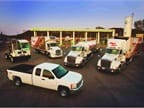
While federal tax credits are no longer available for natural gas vehicles, some fleets are taking advantage of state and local incentives, which range from vehicle purchase tax credits and tank installation rebates to breaks on registration and HOV lane access.
Do-it-Yourself CNG
While the new revolution in natural gas-powered vehicles is just starting, these small fleets have been using them effectively — and reaping an ROI — for years.
More Small Fleet


Developing Budget-Friendly Driver Safety Programs
From driver training and safety meetings to one-on-one coaching and incentive programs, several small fleets share how they have developed a safety culture with their drivers using low- to no-cost resources.
Read More →
Boosting Last-Mile Fleet Uptime, Safety, and Value with AI Vehicle Inspections
AI-powered inspections are transforming last-mile fleets by replacing manual checks with highly accurate automated scans that detect defects in seconds. By giving fleet operations visibility into the daily condition of their vehicles, you can identify trends over the vehicle’s lifecycle that enable improved procurement decisions, route management, driver training and accountability.
Read More →
Five Ways Seat Belts Help Prevent Injuries
There are five ways seat belts protect occupants from injuries, according to the Tennessee Department of Safety and Homeland Security.
Read More →
It’s here: The 2026 Fleet Technology Trends Report
What does AI mean for fleets? Get the answer — and learn other top tech trends.
Read More →
Small Fleets, Big Impact: How Independent Drivers Power Wreaths Across America
Check out how small fleets and independent drivers power Wreaths Across America each December and why their impact matters more than ever.
Read More →
VMS Survey Finds 65% of Small Fleet Managers Run Operations Alone
A new VMS survey shows small fleet managers are stretched thin, with most handling operations solo and eager to adopt digital tools for relief.
Read More →
Tips for Driving Safely on Halloween Night
This video features a reminder from the Connecticut Department of Transportation (DOT) and the Connecticut Police Chiefs Association, urging drivers to prioritize safety this Halloween.
Read More →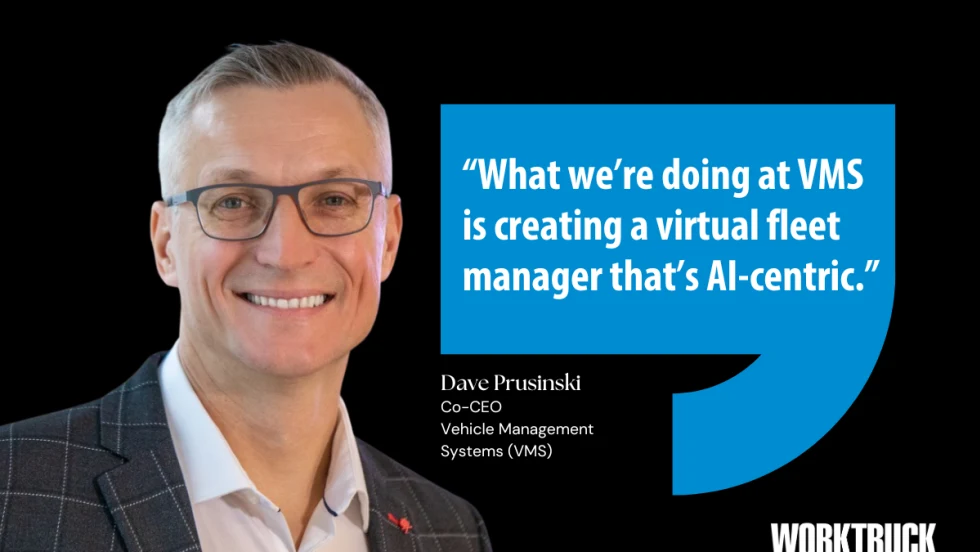
AI, Access, and Uptime: VMS’s Next Chapter with David Prusinski
VMS’s new Co-CEO, David Prusinski, shares how an AI-first approach will give small fleets and repair shops the tools to compete like big players.
Read More →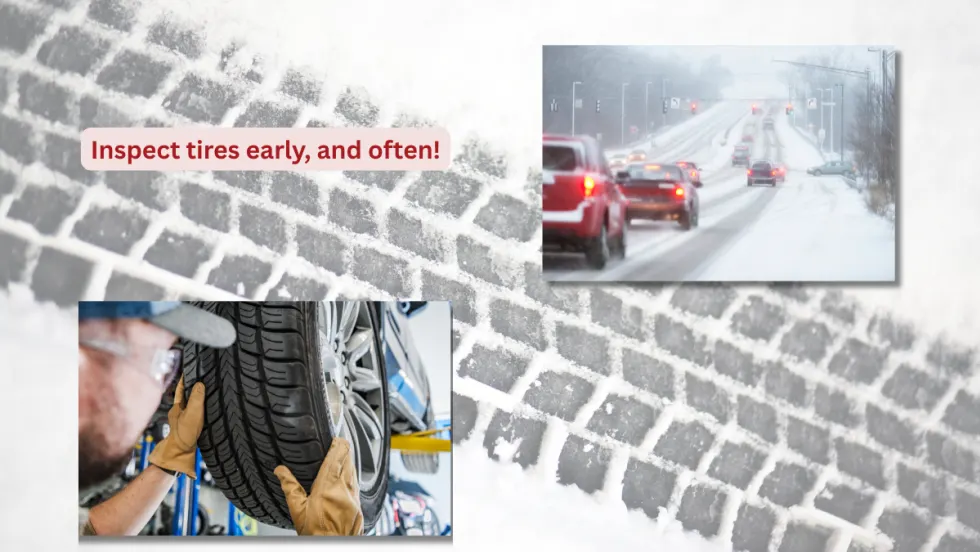
Fleet Managers Share Winter Prep Tips: It's Never Too Early!
Three fleets share best practices to prep vehicles for winter and prevent downtime when the cold sets in.
Read More →