




VW Reaches $1B Settlement for 3.0L Diesels
Volkswagen has reached an agreement to settle claims relating to its 3.0L V-6 TDI engines with a commitment to buy back a quarter of the vehicles, set aside $225 million toward emissions reduction, and pay $25 million to support the use of zero emission vehicles (ZEVs) in California.
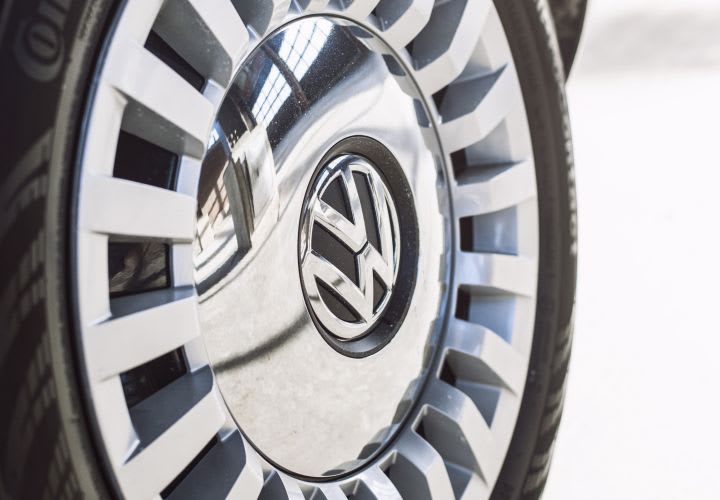
Photo courtesy of VW.

Photo courtesy of VW.
Volkswagen has reached an agreement to settle claims relating to its 3.0L V-6 TDI engines with a commitment to buy back a quarter of the vehicles, set aside $225 million toward emissions reduction, and pay $25 million to support the use of zero emission vehicles (ZEVs) in California.
The settlement, which is still pending final approval, is expected to cost Volkswagen $1 billion, reports the Associated Press. In October, Volkswagen agreed to settle claims around its 2.0L engine for $14.7 billion.
The Dec. 20 settlement covers about 83,000 Volkswagen, Audi, and Porsche vehicles. About 20,000 vehicles would be eligible for buy-backs, and Volkswagen has said it could bring 63,000 vehicles into compliance.
Volkswagen will also pay $225 million to an environmental trust that was set up as part of the earlier settlement. In October, Volkswagen agreed to contribute $2.7 billion to the trust. About $41 million will go to the California Air Resource Board (CARB), according to the board.
And lastly, Volkswagen will provide $25 million to CARB by July 1. The money will be used to expand initiatives such as replace-and-upgrade programs for heavy polluting vehicles in disadvantaged communities and the Clean Vehicle Rebate Project that provides rebates and financial assistance for purchasing ZEVs.
Vehicles covered by the 3.0L settlement include 2009 to 2016 model-year Touareg, 2009- to 2015-MY Audi Q7 and 2013- to 2016-MY Porsche Cayenne Diesel. Other models include 2014-MY, 2015-MY, and 2016-MY Audi models including the A6, A7, A8, A8L, and Q5.
"This settlement highlights the fact that cheating to get a car certified has consequences for air quality and the public's health — and that cheaters will be caught and held accountable," said Richard Corey, CARB's executive officer. "Because California is able to enforce its vehicle regulations, CARB was instrumental in uncovering the cheating in the 3-liter, and before that, in the 2-liter, diesel engines. The mitigation in this settlement will now help California address its serious air quality and climate challenges with a focus on putting the very cleanest vehicles in disadvantaged communities where they are needed most."
U.S. district court Judge Charles R. Breyer must still approve the 3.0L settlement.
Originally posted on Automotive Fleet
More Small Fleet

Developing Budget-Friendly Driver Safety Programs
From driver training and safety meetings to one-on-one coaching and incentive programs, several small fleets share how they have developed a safety culture with their drivers using low- to no-cost resources.
Read More →
Boosting Last-Mile Fleet Uptime, Safety, and Value with AI Vehicle Inspections
AI-powered inspections are transforming last-mile fleets by replacing manual checks with highly accurate automated scans that detect defects in seconds. By giving fleet operations visibility into the daily condition of their vehicles, you can identify trends over the vehicle’s lifecycle that enable improved procurement decisions, route management, driver training and accountability.
Read More →

Five Ways Seat Belts Help Prevent Injuries
There are five ways seat belts protect occupants from injuries, according to the Tennessee Department of Safety and Homeland Security.
Read More →
Basic Tracking vs Next Generation Fleet Technology
Fleet software is getting more sophisticated and effective than ever, tying big data models together to transform maintenance, safety, and the value of your existing tech stack. Fleet technology upgrades are undoubtedly an investment, but updated technology can offer a much higher return. Read how upgrading your fleet technology can increase the return on your investment.
Read More →
It’s here: The 2026 Fleet Technology Trends Report
What does AI mean for fleets? Get the answer — and learn other top tech trends.
Read More →
Small Fleets, Big Impact: How Independent Drivers Power Wreaths Across America
Check out how small fleets and independent drivers power Wreaths Across America each December and why their impact matters more than ever.
Read More →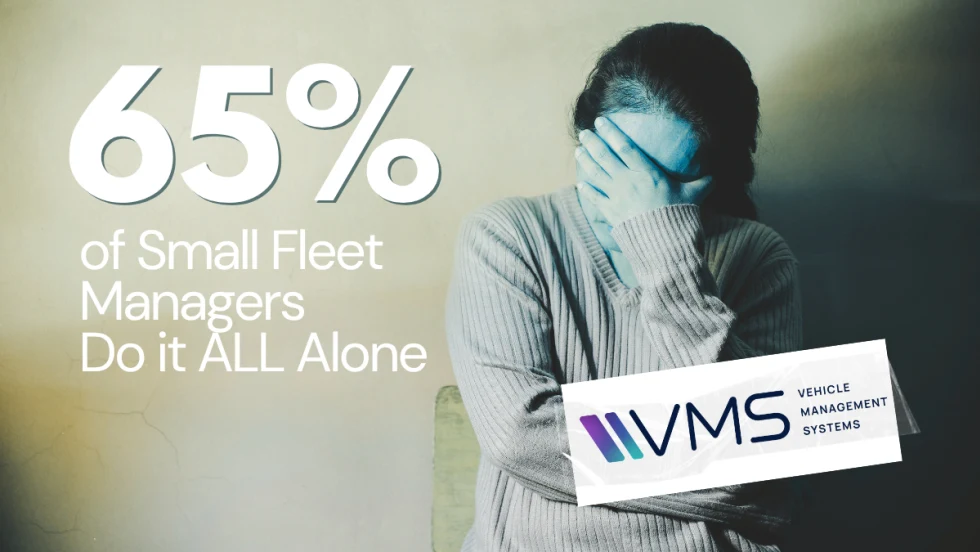
VMS Survey Finds 65% of Small Fleet Managers Run Operations Alone
A new VMS survey shows small fleet managers are stretched thin, with most handling operations solo and eager to adopt digital tools for relief.
Read More →
Tips for Driving Safely on Halloween Night
This video features a reminder from the Connecticut Department of Transportation (DOT) and the Connecticut Police Chiefs Association, urging drivers to prioritize safety this Halloween.
Read More →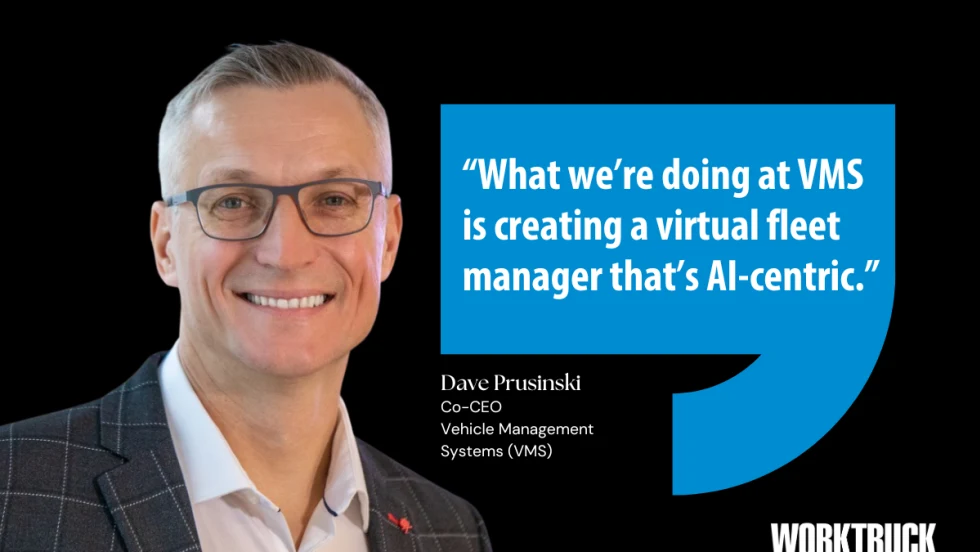
AI, Access, and Uptime: VMS’s Next Chapter with David Prusinski
VMS’s new Co-CEO, David Prusinski, shares how an AI-first approach will give small fleets and repair shops the tools to compete like big players.
Read More →