




VW, Audi Diesels Circumvented Clean-Air Regs
Audi and Volkswagen four-cylinder diesels used software to circumvent federal emissions standards, the U.S. Environmental Protection Agency has alleged.
by Staff
September 18, 2015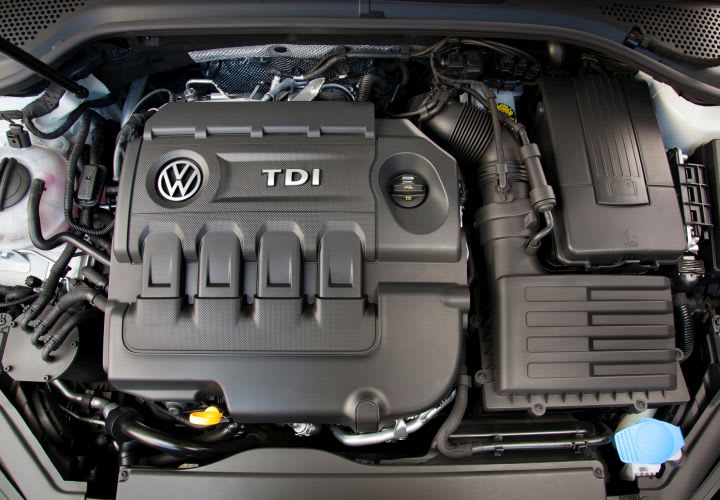
Photo of 2015 Golf TDI engine courtesy of VW.
1 min to read
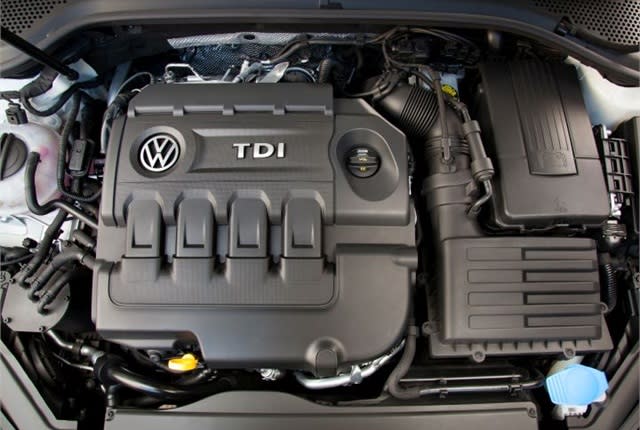
Photo of 2015 Golf TDI engine courtesy of VW.
Audi and Volkswagen four-cylinder diesels used software to circumvent federal emissions standards, the U.S. Environmental Protection Agency has alleged.
The cars from the 2009 to 2015 model years included a "defeat device" — a sophisticated software algorithm that detects when the car is undergoing official emissions testing and turns on full emissions controls during that test, according to an EPA violation notice issued Sept. 18. This would violate the Clean Air Act.
The allegations cover about 482,000 models, including the Jetta TDI, Beetle TDI, Golf TDI, and Audi A3 TDI. The Passat TDI is affected from the 2014-MY and 2015-MY.
“Using a defeat device in cars to evade clean air standards is illegal and a threat to public health,” said Cynthia Giles, assistant administrator for the EPA's Office of Enforcement and Compliance Assurance.
In a separate action, the California Clean Air Resources Board has issued an In-Use Compliance letter. CARB has initiated its own investigation in addition to the EPA probe.
"Our goal now is to ensure that the affected cars are brought into compliance, to dig more deeply into the extent and implications of Volkswagen's efforts to cheat on clean air rules, and to take appropriate further action," said Richard Corey, CARB executive officer.
By using the defeat device, the cars will emit nitrogen oxides (NOx) at up to 40 times the regulatory standard during normal operating conditions, according to the EPA.
Volkswagen must now offer a fix for affected models, which remain legal to drive and resell. Volkswagen had not commented publicly on Sept. 18.
EPA and CARB uncovered the defeat device software after independent analysis by researchers at West Virginia University, working with the International Council on Clean Transportation, a non-governmental organization, raised questions about emissions levels. The agencies began further investigations into the issue. In September, after EPA and CARB demanded an explanation for the identified emission problems, Volkswagen admitted that the cars contained defeat devices, according to EPA.
Read the EPA's full release here.
Originally posted on Automotive Fleet
More Small Fleet


Developing Budget-Friendly Driver Safety Programs
From driver training and safety meetings to one-on-one coaching and incentive programs, several small fleets share how they have developed a safety culture with their drivers using low- to no-cost resources.
Read More →
Sponsored•March 9, 2026
Boosting Last-Mile Fleet Uptime, Safety, and Value with AI Vehicle Inspections
AI-powered inspections are transforming last-mile fleets by replacing manual checks with highly accurate automated scans that detect defects in seconds. By giving fleet operations visibility into the daily condition of their vehicles, you can identify trends over the vehicle’s lifecycle that enable improved procurement decisions, route management, driver training and accountability.
Read More →
Five Ways Seat Belts Help Prevent Injuries
There are five ways seat belts protect occupants from injuries, according to the Tennessee Department of Safety and Homeland Security.
Read More →
Sponsored•January 14, 2026
It’s here: The 2026 Fleet Technology Trends Report
What does AI mean for fleets? Get the answer — and learn other top tech trends.
Read More →
Small Fleets, Big Impact: How Independent Drivers Power Wreaths Across America
Check out how small fleets and independent drivers power Wreaths Across America each December and why their impact matters more than ever.
Read More →
VMS Survey Finds 65% of Small Fleet Managers Run Operations Alone
A new VMS survey shows small fleet managers are stretched thin, with most handling operations solo and eager to adopt digital tools for relief.
Read More →
Tips for Driving Safely on Halloween Night
This video features a reminder from the Connecticut Department of Transportation (DOT) and the Connecticut Police Chiefs Association, urging drivers to prioritize safety this Halloween.
Read More →
AI, Access, and Uptime: VMS’s Next Chapter with David Prusinski
VMS’s new Co-CEO, David Prusinski, shares how an AI-first approach will give small fleets and repair shops the tools to compete like big players.
Read More →
Fleet Managers Share Winter Prep Tips: It's Never Too Early!
Three fleets share best practices to prep vehicles for winter and prevent downtime when the cold sets in.
Read More →