




Volvo Owners Celebrate 50-Years of Volvo Wagons
Celebrating fifty-years of wagon design and automotive innovation, Volvo executives and members of the automotive press joined Volvo enthusiasts and local car owners for a Golden Anniversary Rally, on August 24, 2003. Culminating with a caravan of vintage vehicles crossing the Golden Gate Bridge, the event showcased five decades of Volvo wagon development. "Volvo takes pride in being at the forefront of providing safe and logical innovations in our products," said Vic Doolan, president and CEO, Volvo Cars of North America. "And our rich history is never more apparent than seeing the developments through the years side by side by side." The vintage fleet included two Volvo Duetts, the model that started it all back in 1953 and helped create the long-lasting image that Volvo wagons have established worldwide. Other wagons from succeeding decades were driven by members of the press, with proud owners serving as navigators. "Here in San Francisco, the Volvo wagon is perhaps even more iconic than elsewhere. You see them everywhere and driven by every possible type of owner - from the Berkeley professor to the Marin soccer mom. The Volvo wagon is a preferred vehicle here and we had no trouble finding local owners to help celebrate the anniversary," added Lee Cordner, president of the Volvo Club of America Golden Gate Chapter. The Golden Anniversary Rally began with a cruise through areas of San Francisco, reflecting on the architectural, social and cultural symbols of representative decades from the fifties to the present. Volvo first imported wagons into the United States in the fifties and since that time, Volvo wagons have been integral to supporting countless lifestyles and pursuits. As the Golden Anniversary Rally made its return across the bay to the Presidio, Volvo owners and enthusiasts gathered for a breakfast and an impromptu "Show and Shine," celebration of their Volvos. "Some cars create a history for themselves that's more in tune with everyday life than racing or glamour. The Volvo wagon is one of these. All along the route people waved and greeted the vintage fleet - probably recalling a Volvo from their own past and feeling good about that memory," said Cordner. The first Volvo wagon was built as a result of a surplus of chassis for it's then popular PV444. It was called the PV445 or Duett, meaning dual purpose (work and leisure). That was 1953. Since that time: the industry's first 'orthopedically-designed' seats appeared in the 1962 Volvo P122 or Amazon; the Pinifarina-influenced Volvo 145 debuted in 1967, beginning a movement throughout the industry towards one-piece tailgate design, offering a large rear window and increased cargo space; the Volvo 245, which premiered in 1974 and was produced for nineteen years, was selected by the United States Department of Transportation and the National Highway Transportation Safety Administration to help establish future U.S. vehicle safety standards; in the mid-1980s, Volvo was first to introduce turbo-charged wagons with its 700 series; in 1985, the Volvo 850 was the first car in the world to offer side impact airbags; the 1996 V70 set new standards for Volvo and the industry as a whole, with Prem-Air, a catalytic system that eradicates ozone at ground level. "The Volvo PV444 delivered safety conscious automotive comfort and performance, suited to the world...at that time. Today, the Volvo wagon line upholds that heritage of commitment to social, transportation and economic values...quicker and a bit more stylishly than in 1953," said Doolan.
More Small Fleet

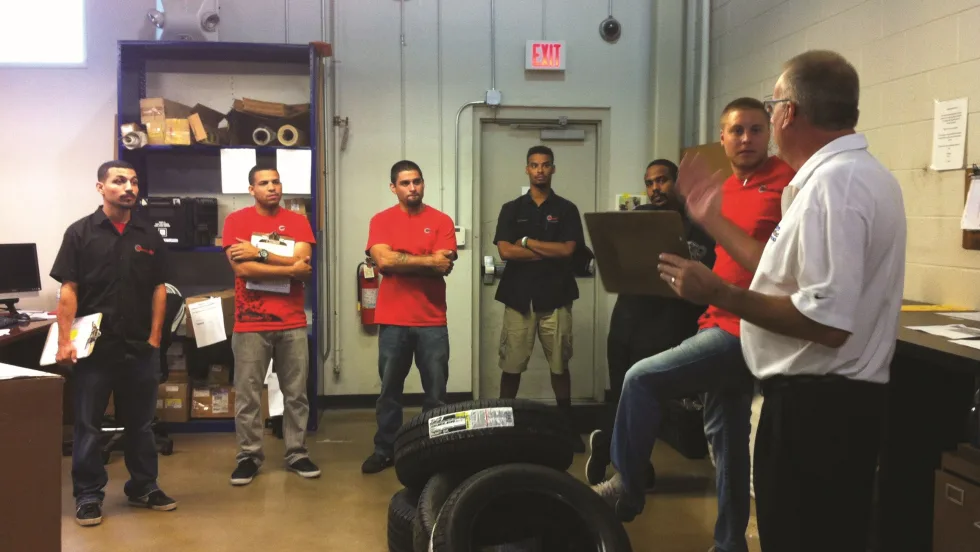
Developing Budget-Friendly Driver Safety Programs
From driver training and safety meetings to one-on-one coaching and incentive programs, several small fleets share how they have developed a safety culture with their drivers using low- to no-cost resources.
Read More →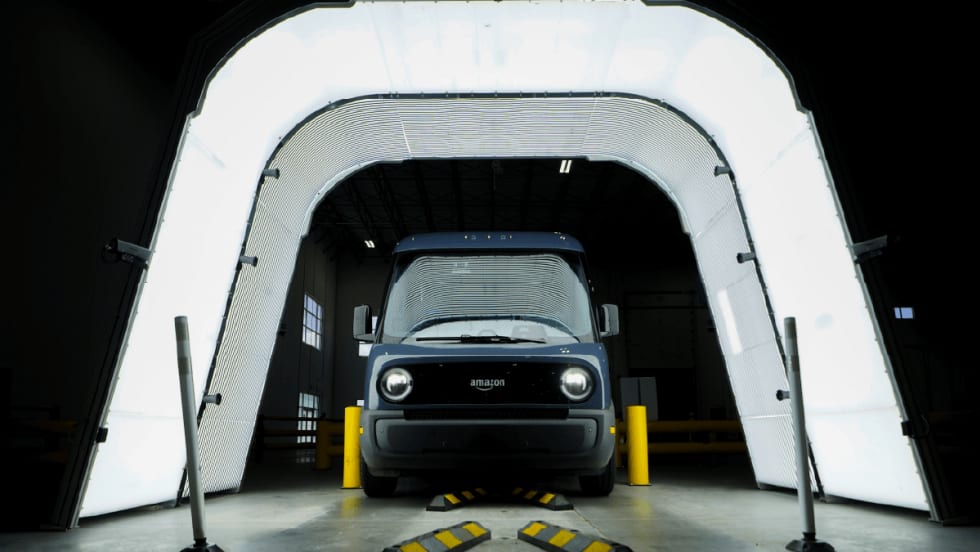
Boosting Last-Mile Fleet Uptime, Safety, and Value with AI Vehicle Inspections
AI-powered inspections are transforming last-mile fleets by replacing manual checks with highly accurate automated scans that detect defects in seconds. By giving fleet operations visibility into the daily condition of their vehicles, you can identify trends over the vehicle’s lifecycle that enable improved procurement decisions, route management, driver training and accountability.
Read More →
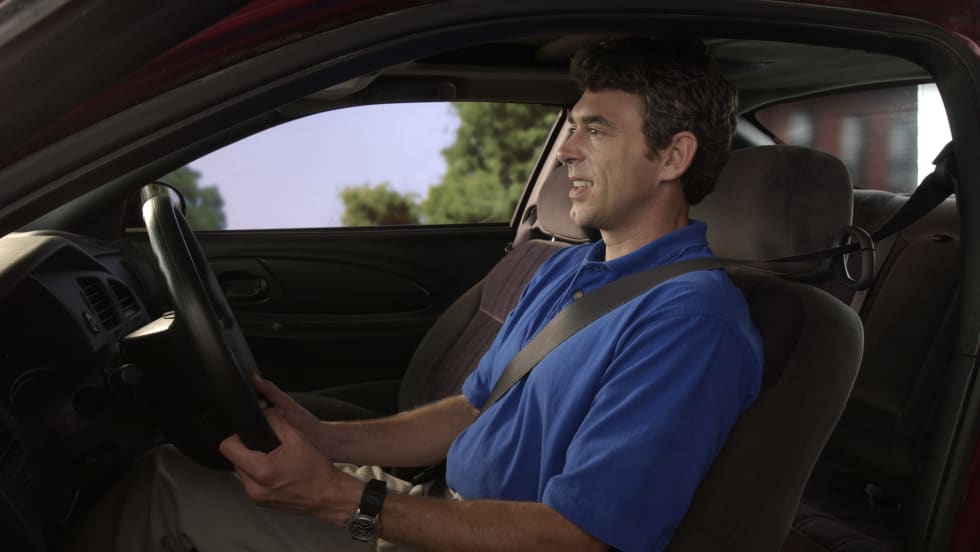
Five Ways Seat Belts Help Prevent Injuries
There are five ways seat belts protect occupants from injuries, according to the Tennessee Department of Safety and Homeland Security.
Read More →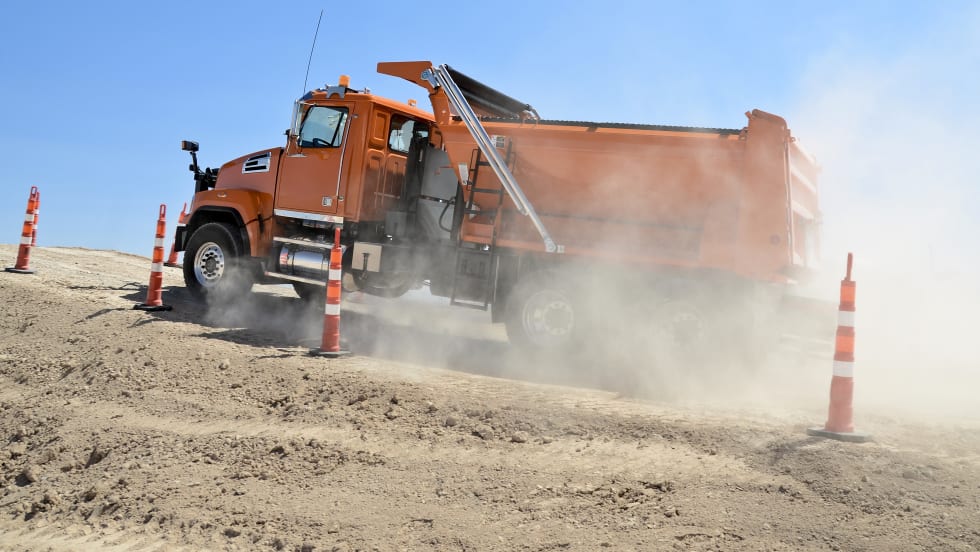
Basic Tracking vs Next Generation Fleet Technology
Fleet software is getting more sophisticated and effective than ever, tying big data models together to transform maintenance, safety, and the value of your existing tech stack. Fleet technology upgrades are undoubtedly an investment, but updated technology can offer a much higher return. Read how upgrading your fleet technology can increase the return on your investment.
Read More →
It’s here: The 2026 Fleet Technology Trends Report
What does AI mean for fleets? Get the answer — and learn other top tech trends.
Read More →
Small Fleets, Big Impact: How Independent Drivers Power Wreaths Across America
Check out how small fleets and independent drivers power Wreaths Across America each December and why their impact matters more than ever.
Read More →
VMS Survey Finds 65% of Small Fleet Managers Run Operations Alone
A new VMS survey shows small fleet managers are stretched thin, with most handling operations solo and eager to adopt digital tools for relief.
Read More →
Tips for Driving Safely on Halloween Night
This video features a reminder from the Connecticut Department of Transportation (DOT) and the Connecticut Police Chiefs Association, urging drivers to prioritize safety this Halloween.
Read More →
AI, Access, and Uptime: VMS’s Next Chapter with David Prusinski
VMS’s new Co-CEO, David Prusinski, shares how an AI-first approach will give small fleets and repair shops the tools to compete like big players.
Read More →