




Virginia Beach Downsizes Fleet
City introduces hybrids, strips take-home privileges and eyes mileage standards for fleet vehicles.
In an effort to lower budget costs, Virginia Beach officials recently formed an advisory group to reorganize management of the city’s 2,000-plus passenger vehicle fleet, reports the Virginia Pilot. The group has responded by downsizing the fleet and introducing more cost-effective automobiles. So far, it has auctioned off 117 loaner vehicles and stripped 70 more of take-home privileges, bestowing these permanent benefits only on fire, police and rescue personnel. They have also introduced 12 hybrid cars, one electric car, and are considering replacing sports utility vehicles with more fuel-efficient sedans. Car allowances present another option. But according to Don Unmussig, former administrator of Virginia’s centralized fleet, this policy may cost the government more money than it saves. Another problem further hinders the group’s efforts. Currently, Virginia Beach has no clear standards defining how many miles a car must be driven in order to be considered useful to the fleet. The Virginia state rates usefulness between 7,500 and 10,000 miles per year, depending on the vehicle. Setting a similar set of conditions for Virginia Beach also falls on the advisory group’s agenda. The state recently hired Mercury Associates, a Maryland-based consulting firm, to work with its Office of Fleet Management Services. In the face of downsizing, President Paul Lauria warns against underestimating a vehicle’s importance. “A lot of elected officials tend to oversimplify or not fully appreciate the various ways in which vehicles are used,” he remarked to the Virginia Pilot. “The fact that the wheels aren’t turning all day long doesn’t mean the vehicle’s not needed.”
More Small Fleet
Tips for Driving Safely on Halloween Night
This video features a reminder from the Connecticut Department of Transportation (DOT) and the Connecticut Police Chiefs Association, urging drivers to prioritize safety this Halloween.
Read More →

Developing Budget-Friendly Driver Safety Programs
From driver training and safety meetings to one-on-one coaching and incentive programs, several small fleets share how they have developed a safety culture with their drivers using low- to no-cost resources.
Read More →

Boosting Last-Mile Fleet Uptime, Safety, and Value with AI Vehicle Inspections
AI-powered inspections are transforming last-mile fleets by replacing manual checks with highly accurate automated scans that detect defects in seconds. By giving fleet operations visibility into the daily condition of their vehicles, you can identify trends over the vehicle’s lifecycle that enable improved procurement decisions, route management, driver training and accountability.
Read More →
Five Ways Seat Belts Help Prevent Injuries
There are five ways seat belts protect occupants from injuries, according to the Tennessee Department of Safety and Homeland Security.
Read More →
Basic Tracking vs Next Generation Fleet Technology
Fleet software is getting more sophisticated and effective than ever, tying big data models together to transform maintenance, safety, and the value of your existing tech stack. Fleet technology upgrades are undoubtedly an investment, but updated technology can offer a much higher return. Read how upgrading your fleet technology can increase the return on your investment.
Read More →
It’s here: The 2026 Fleet Technology Trends Report
What does AI mean for fleets? Get the answer — and learn other top tech trends.
Read More →
Small Fleets, Big Impact: How Independent Drivers Power Wreaths Across America
Check out how small fleets and independent drivers power Wreaths Across America each December and why their impact matters more than ever.
Read More →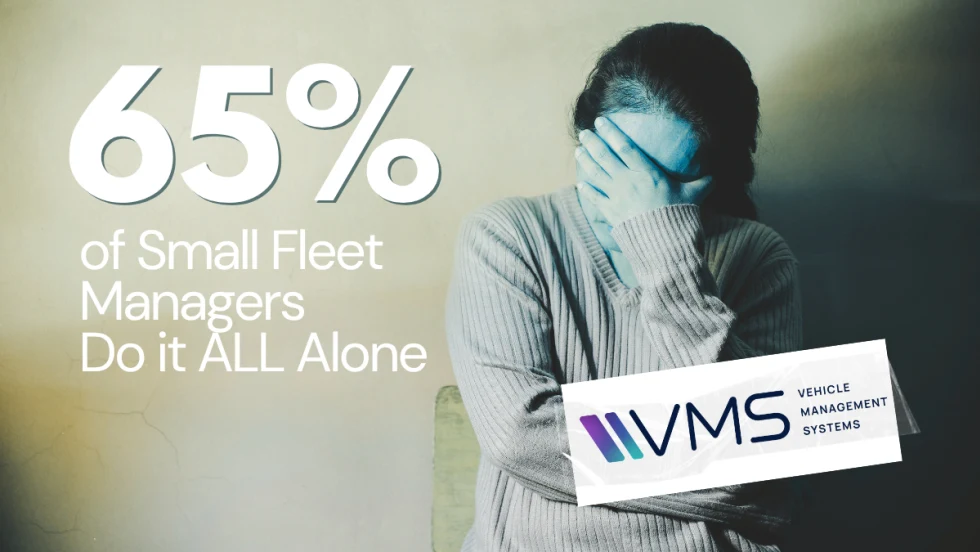
VMS Survey Finds 65% of Small Fleet Managers Run Operations Alone
A new VMS survey shows small fleet managers are stretched thin, with most handling operations solo and eager to adopt digital tools for relief.
Read More →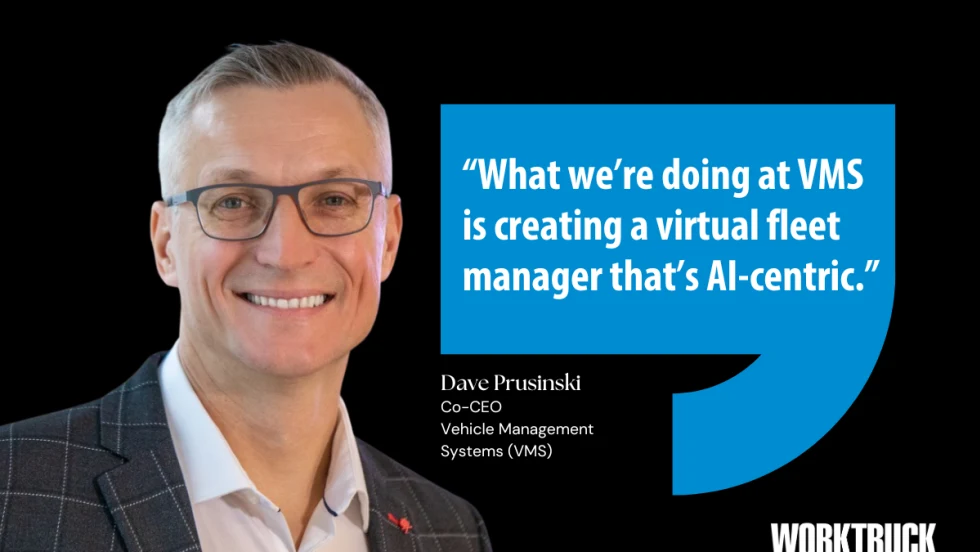
AI, Access, and Uptime: VMS’s Next Chapter with David Prusinski
VMS’s new Co-CEO, David Prusinski, shares how an AI-first approach will give small fleets and repair shops the tools to compete like big players.
Read More →