




Vactor to Expand Manufacturing Facility
Vactor Manufacturing, Inc. announced plans to expand its Streator, Ill., manufacturing facility. The project is expected to increase Vactor’s production capacity and add up to 90 additional jobs.

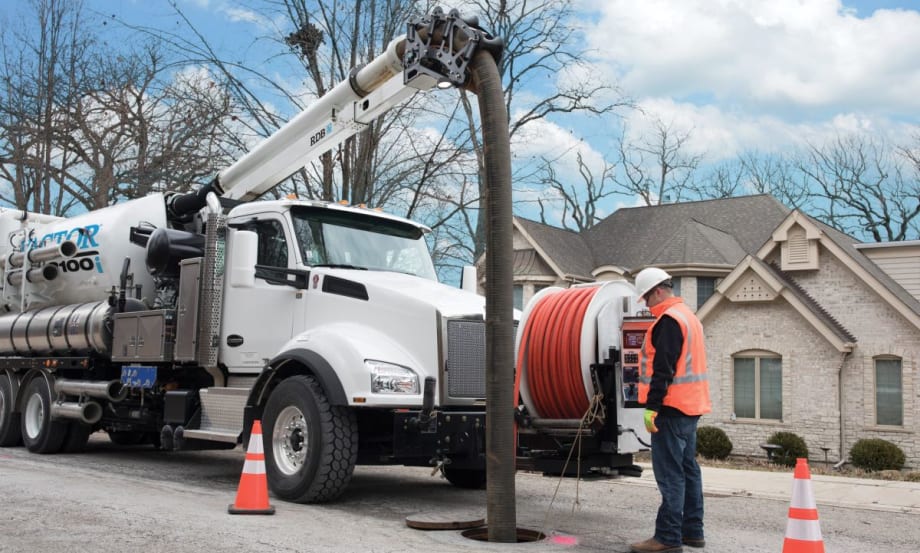
Vactor’s parent company, Federal Signal Corporation, is expecting to invest up to $25 million over the course of the expansion project, which will increase efficiency and capacity to supply the growing demand for Vactor’s newly redesigned 2100i combination sewer cleaner and the TRUVAC branded series of hydroexcavators.
Photo courtesy of Vactor
Vactor Manufacturing, Inc. announced plans to expand its Streator, Ill., manufacturing facility. The project is expected to increase Vactor’s production capacity and add up to 90 additional jobs.
“We are excited to announce this expansion of our Streator facility as it represents the culmination of many years of investment in developing new products and expanding our customer base,” said Sam Miceli, vice president and general manager of Vactor. “It also underscores Vactor’s ongoing commitment to its workforce and this community; both have been, and continue to be, outstanding partners in our growth.”
The first phase of the project will expand the existing fabrication, welding, paint and assembly areas, as well as the test bays. Additionally, the current training center and customer inspection facility will be updated. Overall, the expansion will add approximately 100,000 square feet to the existing facility. Construction is expected to begin in the first-half of 2019, with completion targeted by the end of the year.
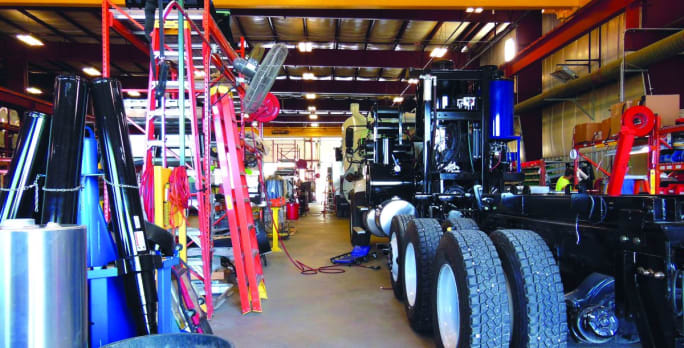
The first phase of the project will expand the existing fabrication, welding, paint and assembly areas, as well as the test bays. Additionally, the current training center and customer inspection facility will be updated.
Photo courtesy of Vactor
Vactor’s parent company, Federal Signal Corporation, is expecting to invest up to $25 million over the course of the expansion project, which will increase efficiency and capacity to supply the growing demand for Vactor’s newly redesigned 2100i combination sewer cleaner and the TRUVAC branded series of hydroexcavators.
“With the continued momentum we are seeing with our “safe-digging” initiative that utilizes vacuum excavation technology over more invasive digging techniques, and with benefits from recent new product enhancements to our sewer cleaner lines, we see significant growth opportunities for Vactor, and for Federal Signal,” said Jennifer Sherman, Federal Signal’s President and CEO. “This is another significant investment in our Streator facility, as we look to add the necessary capacity in response to that growth potential. It also is a testament to the talented and dedicated workforce that we are fortunate to have in the Streator area.”
The project received assistance and support from the State of Illinois, the Illinois Department of Commerce and Economic Opportunity (“DCEO”), the City of Streator, and the Greater Livingston County Economic Development Council. DCEO provides intergovernmental coordination on behalf of companies seeking new opportunities for economic development.
Vactor began operations in Chicago in 1911, initially as the Myers-Sherman Company. Federal Signal acquired Vactor in 1994. “Myers-Sherman relocated its operations to Streator from Chicago in the 1930s,” said City Manager Scot Wrighton.
More Vehicle Research
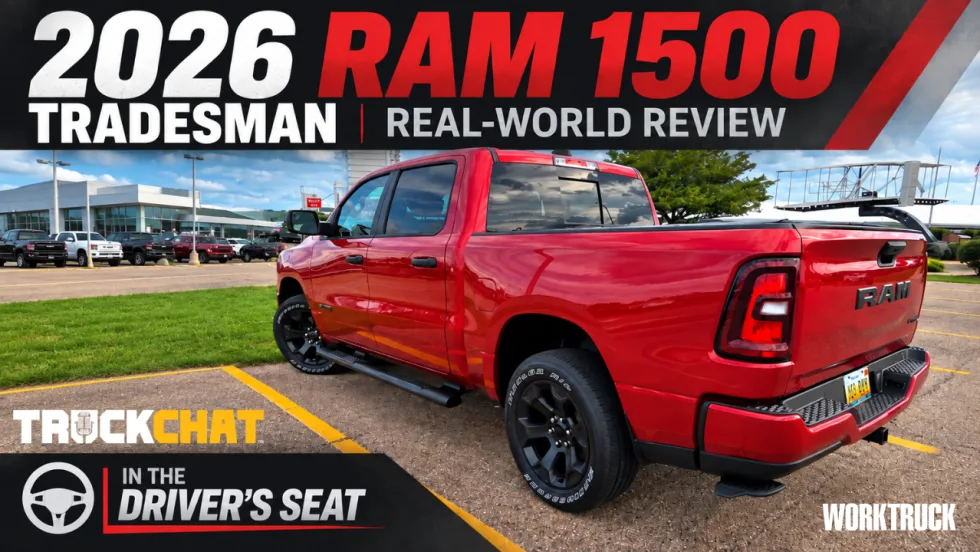
2026 Ram 1500 Tradesman Put to a Real-World Fleet Test
A few days behind the wheel of a 2026 Ram 1500 Tradesman turned into a test of visibility, parking, work-ready features, and even severe-weather driving.
Read More →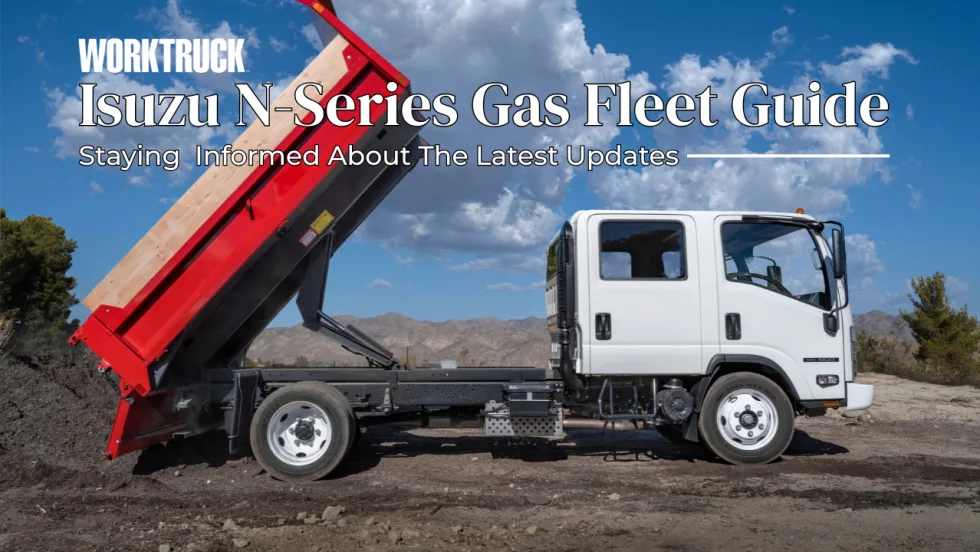
Isuzu N-Series Gas Fleet Guide: Specs, Capability and 2027 Model-Year Updates
Explore Isuzu Truck North America’s N-Series Gas fleet specs, engine performance, GVWR and payload capability, configurations, chassis dimensions, work-focused features, and 2027 model-year information.
Read More →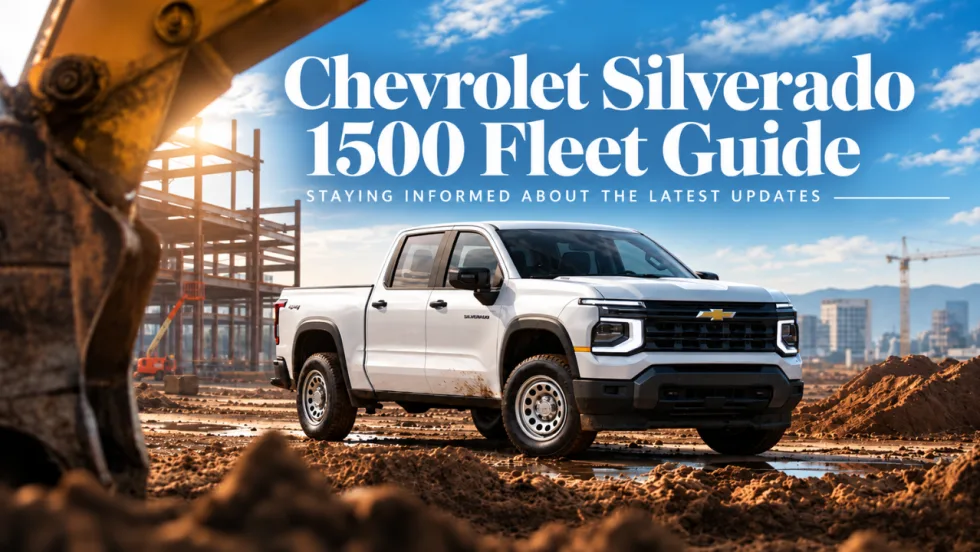
Chevrolet Silverado 1500 Fleet Guide Specs Capability and 2027 Model-Year Updates
The next-generation 2027 Chevrolet Silverado 1500 brings new V-8 engines, updated technology, expanded safety features, and a fleet-focused Work Truck. Here’s what commercial fleets need to know so far.
Read More →
Ram ProMaster City Fleet Guide Specs Cargo Capacity and 2027 Updates
Work Truck’s Ram ProMaster City Fleet Guide tracks the latest specifications, cargo capability, configurations, fleet technology, pricing, and model-year updates for Ram’s mid-size commercial van.
Read More →
Ford F-150 Fleet Guide Specs Capability and 2026 Model-Year Updates
Explore 2026 Ford F-150 fleet specs, engines, towing and payload capability, configurations, work features, technology, and model-year updates.
Read More →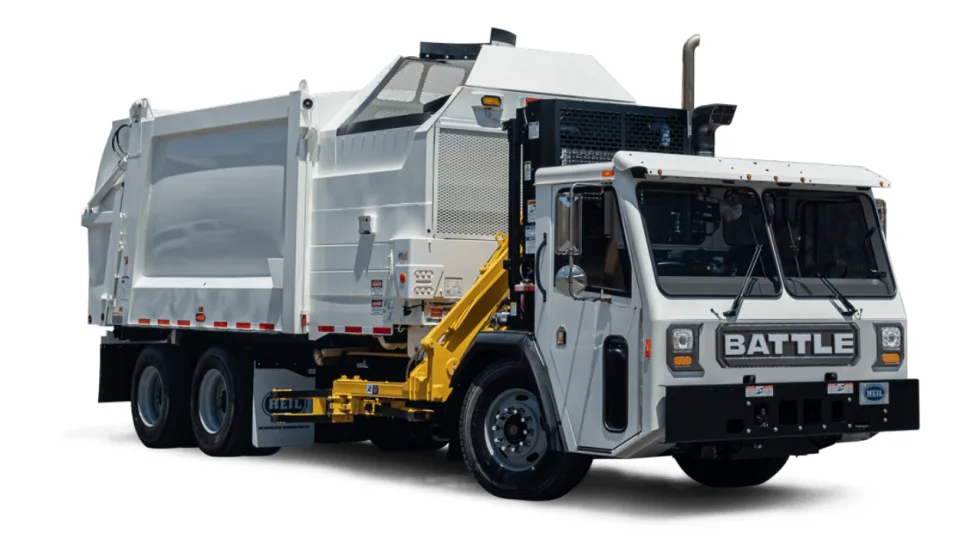
TCI Now Sells & Supports Battle Motors’ Vocational Trucks
Midwest truck dealer Truck Centers, Inc. (TCI) has expanded its transportation solutions with sales and service support for Battle Motors’ heavy-duty vocational trucks at locations in locations in Indiana, Illinois, and Missouri
Read More →
Ram 1500 Fleet Guide Specs, Capability and 2027 Model-Year Updates
Explore always up-to-date Ram 1500 fleet specs, engines, towing and payload capability, configurations, technology, pricing updates, and model-year changes.
Read More →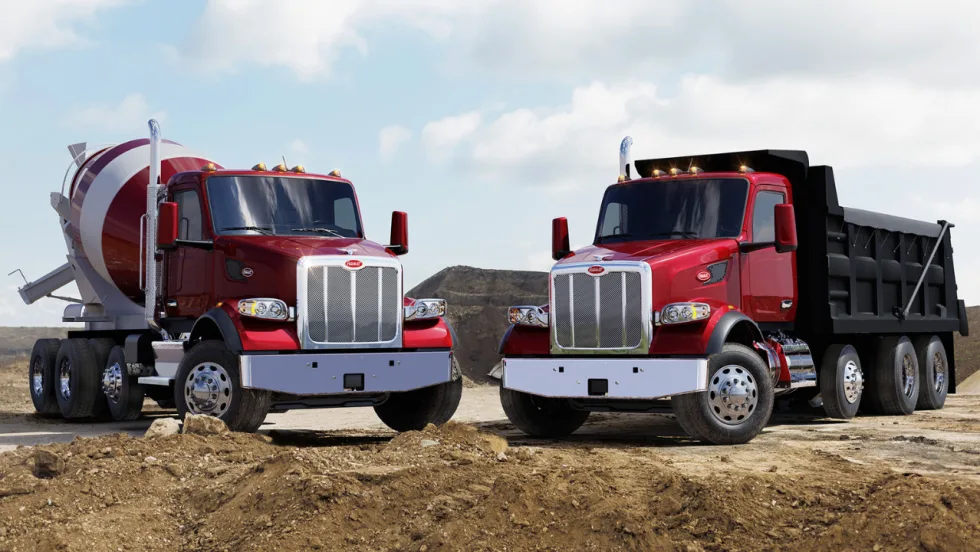
Peterbilt Trucks Equipped with Paccar TX-18 Pro Boost Efficiency for Maryland Fleet
Patuxent Companies is replacing aging trucks with the Peterbilt Model 567 and Model 589, specified with the Paccar TX-18 Pro 18-speed automated transmissions, and is reporting an 8% to 10% improvement in fuel economy.
Read More →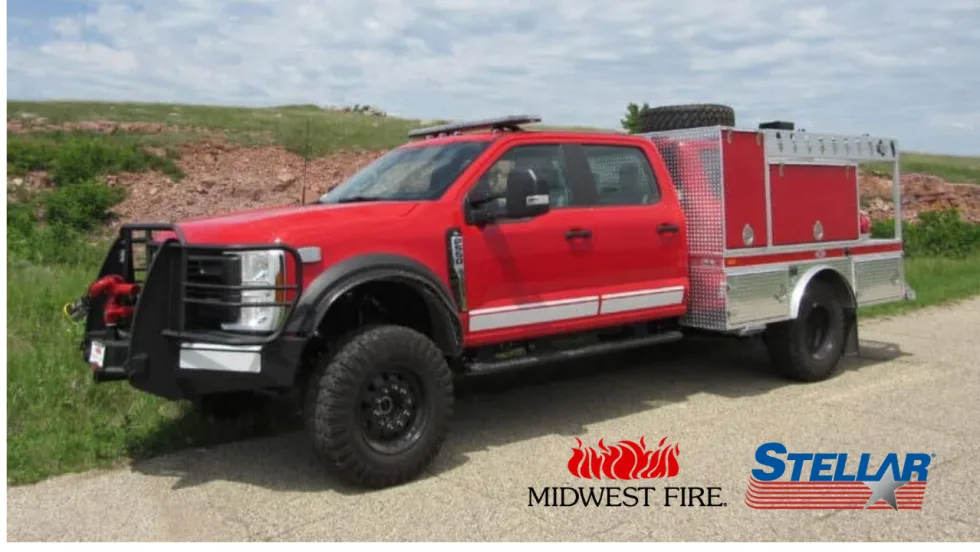
Stellar Expands into Fire Apparatus Market with Acquisition of Midwest Fire
Stellar Industries has acquired Midwest Fire, a custom fire apparatus manufacturer headquartered in Luverne, Minnesota, with nearly four decades of specialized apparatus experience.
Read More →
Recalls You Need to Know About in August 2026
If you have Altec, Chrysler, Ford, Heil, General Motors, International, Mack Trucks, Paccar, Rivian, Royal Truck, Toyota, US Truck Body, or Volvo Trucks vehicles in your fleet, you should check these important recalls issued by the National Highway Safety Administration.
Read More →