




U.S. Gasoline Prices Likely to Fall Still Further: Experts
U.S. retail gasoline prices, already the lowest in two years, are poised to fall another 10 cents going into what typically is the busiest travel season of the year, financial analysts and government officials said on Nov. 16. Stations in at least 16 states report pump prices less than $1 a gallon, according to the American Automobile Association (AAA). Thanks to plentiful national gasoline supplies, average retail gasoline prices have fallen nearly a third to $1.20 a gallon since May. They could fall further after the Organization of Petroleum Exporting Countries (OPEC) raised the specter of a price war by deciding to defer an output cut due to ongoing competition with rival oil producer Russia. The slide at the pumps, now at lows not seen since July 1999, would be good news for travelers over the Thanksgiving and Christmas holidays -- usually the most active times of the year for automobile travel. The dramatic decline in pump prices comes with increases in the nation's gasoline supplies, which have grown in part thanks to a sluggish economy, low travel demand, and healthy refinery and pipeline operations. As of Nov. 12, U.S. gasoline supplies were nearly 13 million barrels, or 6.7 percent, higher than last year, according to industry group the American Petroleum Institute (API). Supplies could grow even more in the coming months after oil cartel OPEC decided on Nov. 14 that it would not implement its 1.5 million barrel per day crude oil output cut -- designed to shore up prices -- unless non-OPEC producers like Russia also reduce production. Russia on Nov. 16 resisted OPEC's urgings to cut oil exports and output to help world crude prices, saying no one could demand Moscow do anything and that recent oil price falls were not too worrying.
More Small Fleet


Developing Budget-Friendly Driver Safety Programs
From driver training and safety meetings to one-on-one coaching and incentive programs, several small fleets share how they have developed a safety culture with their drivers using low- to no-cost resources.
Read More →
Boosting Last-Mile Fleet Uptime, Safety, and Value with AI Vehicle Inspections
AI-powered inspections are transforming last-mile fleets by replacing manual checks with highly accurate automated scans that detect defects in seconds. By giving fleet operations visibility into the daily condition of their vehicles, you can identify trends over the vehicle’s lifecycle that enable improved procurement decisions, route management, driver training and accountability.
Read More →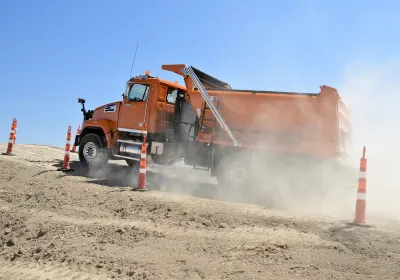

Five Ways Seat Belts Help Prevent Injuries
There are five ways seat belts protect occupants from injuries, according to the Tennessee Department of Safety and Homeland Security.
Read More →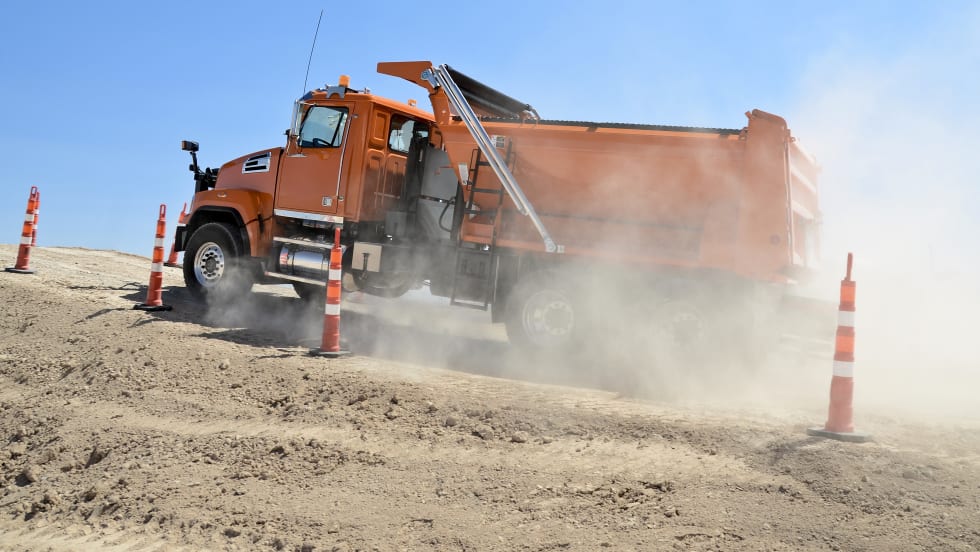
Basic Tracking vs Next Generation Fleet Technology
Fleet software is getting more sophisticated and effective than ever, tying big data models together to transform maintenance, safety, and the value of your existing tech stack. Fleet technology upgrades are undoubtedly an investment, but updated technology can offer a much higher return. Read how upgrading your fleet technology can increase the return on your investment.
Read More →
It’s here: The 2026 Fleet Technology Trends Report
What does AI mean for fleets? Get the answer — and learn other top tech trends.
Read More →
Small Fleets, Big Impact: How Independent Drivers Power Wreaths Across America
Check out how small fleets and independent drivers power Wreaths Across America each December and why their impact matters more than ever.
Read More →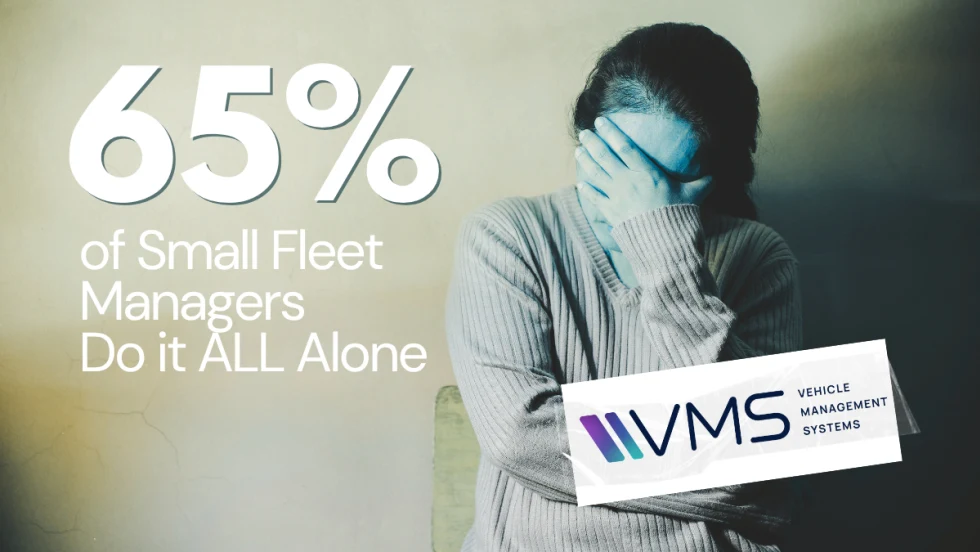
VMS Survey Finds 65% of Small Fleet Managers Run Operations Alone
A new VMS survey shows small fleet managers are stretched thin, with most handling operations solo and eager to adopt digital tools for relief.
Read More →
Tips for Driving Safely on Halloween Night
This video features a reminder from the Connecticut Department of Transportation (DOT) and the Connecticut Police Chiefs Association, urging drivers to prioritize safety this Halloween.
Read More →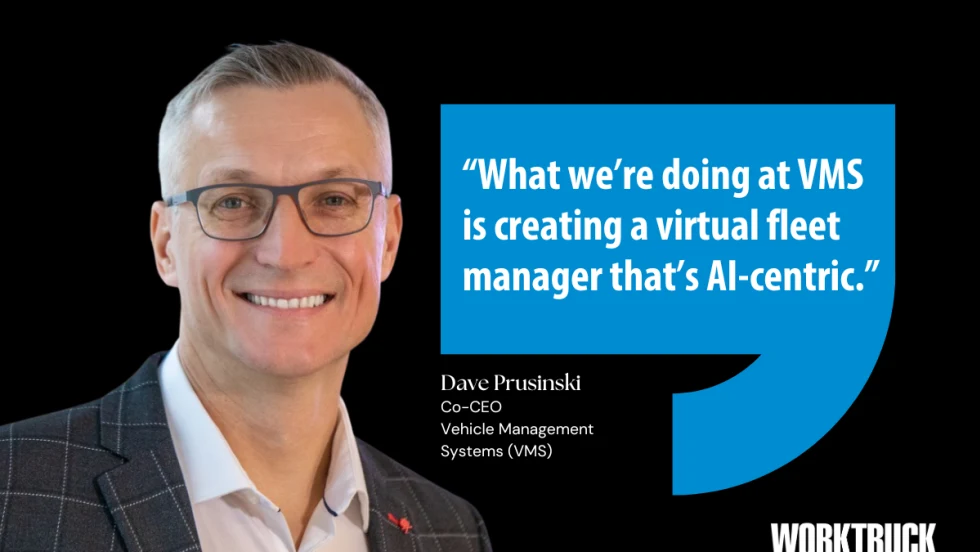
AI, Access, and Uptime: VMS’s Next Chapter with David Prusinski
VMS’s new Co-CEO, David Prusinski, shares how an AI-first approach will give small fleets and repair shops the tools to compete like big players.
Read More →