




Urea Tank May Soon Be Required for Diesel-Powered Vehicles
WASHINGTON, D.C. – Starting in 2010, owners of diesel-powered cars and trucks may have to fill a supplementary tank with urea, an organic compound that fights nitrogen oxide emissions when it's injected into a vehicle's exhaust system, The Washington Post reports.
WASHINGTON, D.C. – Starting in 2010, owners of diesel-powered cars and trucks may have to fill a supplementary tank with urea, an organic compound that fights nitrogen oxide emissions when it’s injected into a vehicle’s exhaust system, The Washington Post reports.
In anticipation of vehicle makers adopting an emissions-reduction system that depends on urea to meet tight diesel pollution-control rules, the Environmental Protection Agency issued guidelines on Mar. 27 telling manufacturers how to earn certification for the new engines. The agency wants to ensure that urea is easily available and that systems will be designed to force owners to keep tanks full.
Companies must design a system that would meet Clean Air Act rules by 2010 calling for the virtual elimination of nitrogen oxides and compel owners to maintain emission-control systems. According to The Washington Post, the EPA cautioned that the systems must be designed so they can’t be disabled, tampered with, or filled with something other than the proper concentration of urea.
More Operations
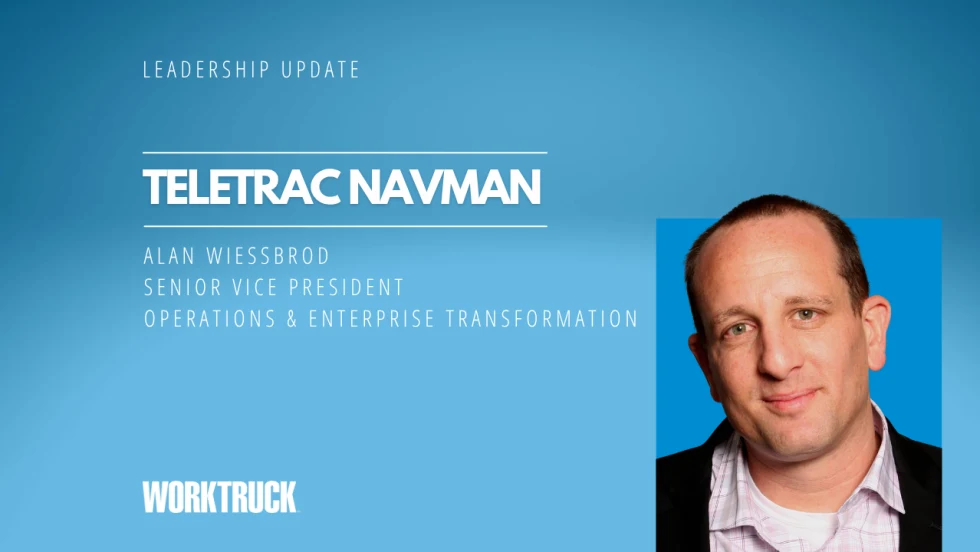
Teletrac Navman Hires SVP of Operations & Enterprise Transformation
Teletrac Navman has appointed Alan Wiessbrod to its senior leadership team as senior vice president, operations and enterprise transformation. The company said he has a strong track record of delivering profitable growth and operational excellence.
Read More →
2027 GM Trucks, Technician Retention, and Fleet Lessons Lead This Week’s News
New GM pickups, technician retention, fleet leadership lessons, winter equipment, and more headline this week’s Truck Chat Weekly Cheat Sheet.
Read More →
Family Ties Inside the Fleet Families Building Careers Across Generations
Three fleet families share what it really takes to work together, learn across generations, and keep business from following them home.
Read More →From Our Partners



Shades of Fleet Call for Voices: Fleet's Hidden Heroes
Fleet’s hidden heroes are often the ones keeping everything moving behind the scenes. September’s Shades of Fleet is looking for dispatchers, coordinators, parts specialists, and other support pros to share their stories.
Read More →
Truck Centers, Inc. Celebrates National Truck Driver Appreciation Week with $1,000 Fuel Card Giveaways
During National Truck Driver Appreciation Week, Truck Centers, Inc. is offering customers a chance to fuel up for free. Customers at all Truck Centers locations can enter to win one of four $1,000 fuel cards from Sept. 14 - 18.
Read More →
Fleet Guides, AI Time-Savers, Truck Tariffs & Fuel Strategy Lead the News
This week’s Truck Chat Cheat Sheet covers new fleet vehicle guides, practical AI use cases, U.S.-Canada truck production, mixed-energy strategy, and more.
Read More →
What Fleet Employers Are Missing When Hiring Veterans
What if some of the strongest candidates for fleet are already out there, but their experience is written in a language our industry does not always recognize?
Read More →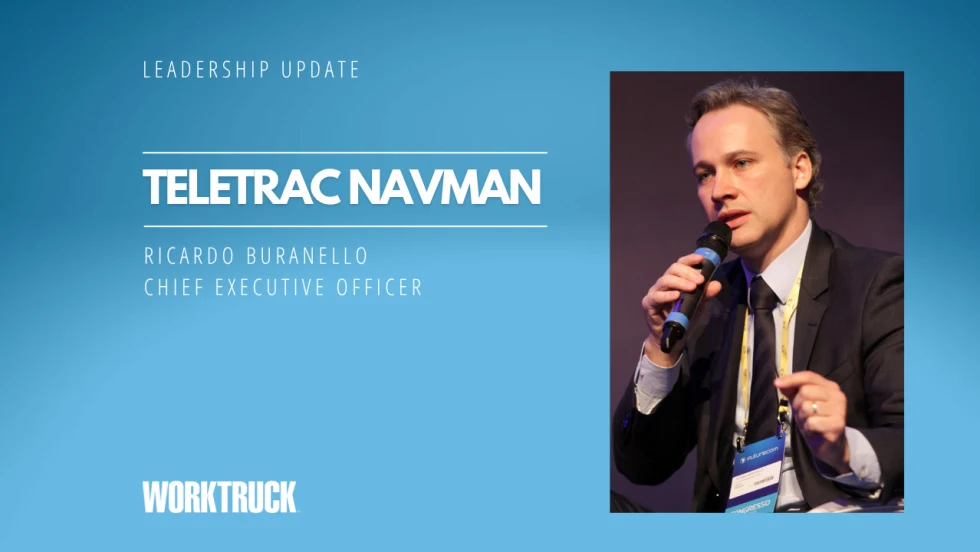
Teletrac Navman Promotes New CEO from Within
Teletrac Navman’s next CEO, Ricardo Buranello, has served as the company’s chief financial and operating officer. He brings deep financial and operational expertise, a strong strategic orientation, and an intimate knowledge of the business to his new role.
Read More →
Automotive Fleet Opens 2026 Personal Use Survey for Commercial Fleet Managers
Less than two weeks left! Commercial and corporate fleet managers are invited to share how their organizations handle company vehicle personal-use policies, charges, and driver eligibility.
Read More →
What Resilient Fleets Do Differently When Conditions Change
Fleet resilience is about more than reacting to disruption. Lauren Fletcher talks with AP Fleet’s Alex Coveney about flexibility, planning, scaling, and what helps fleets adapt when business conditions shift.
Read More →