




Trends: Cops Crack Down on Aggressive Driving
Law enforcement agencies across the country are using extra funding and tough new laws to catch and fine aggressive drivers. Nashville Metro Police instituted in November an aggressive driving unit. Officers drive unmarked cars and will switch to different cars so they do not become easily identifiable to motorists. In New Jersey, the state attorney general announced recently that the state police are again resorting to unmarked vehicles to crack down on aggressive driving. The state Department of Transportation gave $2.4 million to convert 14 state police vehicles into unmarked cars and to add trooper patrols on accident-prone state roadways. Aggressive driving is a catchall term for illegal or dangerous maneuvers, such as riding shoulders, hogging left lanes, tailgating, speeding and weaving. North Carolina has a new law targeting aggressive drivers. It said an aggressive driver "drives carelessly and heedlessly in willful or wanton disregard of the rights or safety of others." Authorities enforce the law by first catching the aggressive driver speeding. Second, police must also determine that the driver broke at least two more rules while speeding. Those offenses are running through a red light or stop sign, passing illegally, following too closely or failing to yield the right of way. Lawmakers in that state consider aggressive driving a major offense. Along with criminal penalties, violators can get five points added to their driver´s licenses. In South Florida highway patrol officers track speeders and aggressive drivers from aircraft with the use of stopwatches as part of an enforcement program aimed at curbing a growing aggressive-driving problem in Broward and Palm Beach counties. The program, called Operation RADAR, for Removing Aggressive Drivers and Road Rage, was launched in early January. Through October, troopers have cited 405 motorists in Broward for driving aggressively, according to agency records.
More Small Fleet

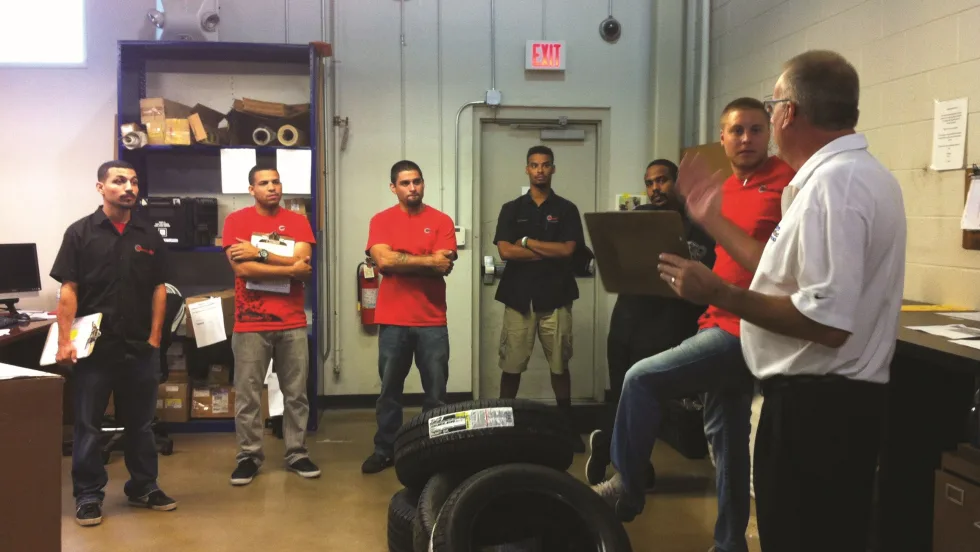
Developing Budget-Friendly Driver Safety Programs
From driver training and safety meetings to one-on-one coaching and incentive programs, several small fleets share how they have developed a safety culture with their drivers using low- to no-cost resources.
Read More →
Boosting Last-Mile Fleet Uptime, Safety, and Value with AI Vehicle Inspections
AI-powered inspections are transforming last-mile fleets by replacing manual checks with highly accurate automated scans that detect defects in seconds. By giving fleet operations visibility into the daily condition of their vehicles, you can identify trends over the vehicle’s lifecycle that enable improved procurement decisions, route management, driver training and accountability.
Read More →

Five Ways Seat Belts Help Prevent Injuries
There are five ways seat belts protect occupants from injuries, according to the Tennessee Department of Safety and Homeland Security.
Read More →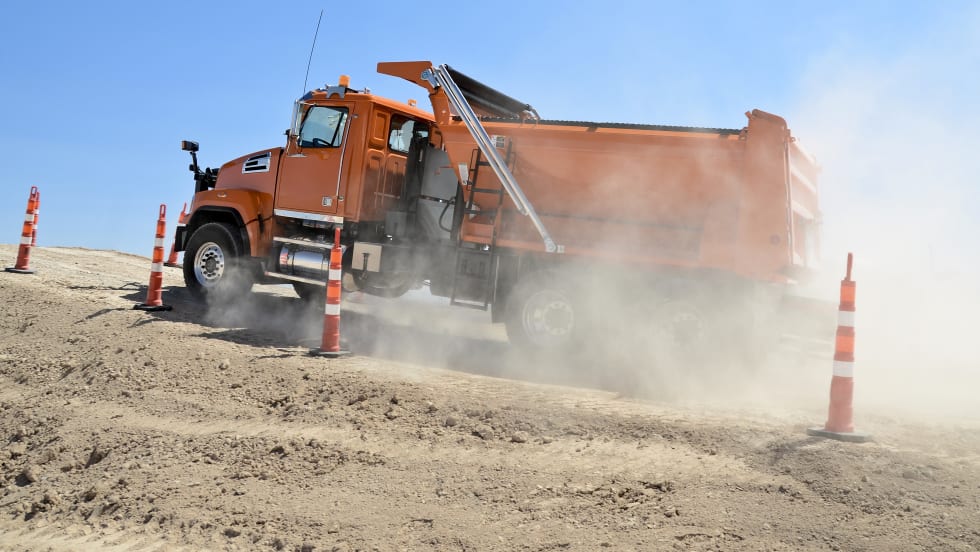
Basic Tracking vs Next Generation Fleet Technology
Fleet software is getting more sophisticated and effective than ever, tying big data models together to transform maintenance, safety, and the value of your existing tech stack. Fleet technology upgrades are undoubtedly an investment, but updated technology can offer a much higher return. Read how upgrading your fleet technology can increase the return on your investment.
Read More →
It’s here: The 2026 Fleet Technology Trends Report
What does AI mean for fleets? Get the answer — and learn other top tech trends.
Read More →
Small Fleets, Big Impact: How Independent Drivers Power Wreaths Across America
Check out how small fleets and independent drivers power Wreaths Across America each December and why their impact matters more than ever.
Read More →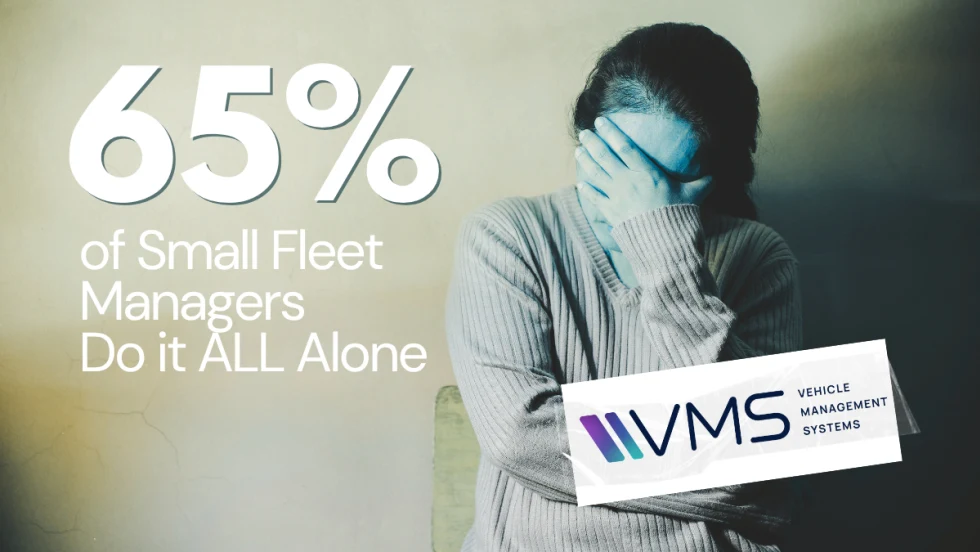
VMS Survey Finds 65% of Small Fleet Managers Run Operations Alone
A new VMS survey shows small fleet managers are stretched thin, with most handling operations solo and eager to adopt digital tools for relief.
Read More →
Tips for Driving Safely on Halloween Night
This video features a reminder from the Connecticut Department of Transportation (DOT) and the Connecticut Police Chiefs Association, urging drivers to prioritize safety this Halloween.
Read More →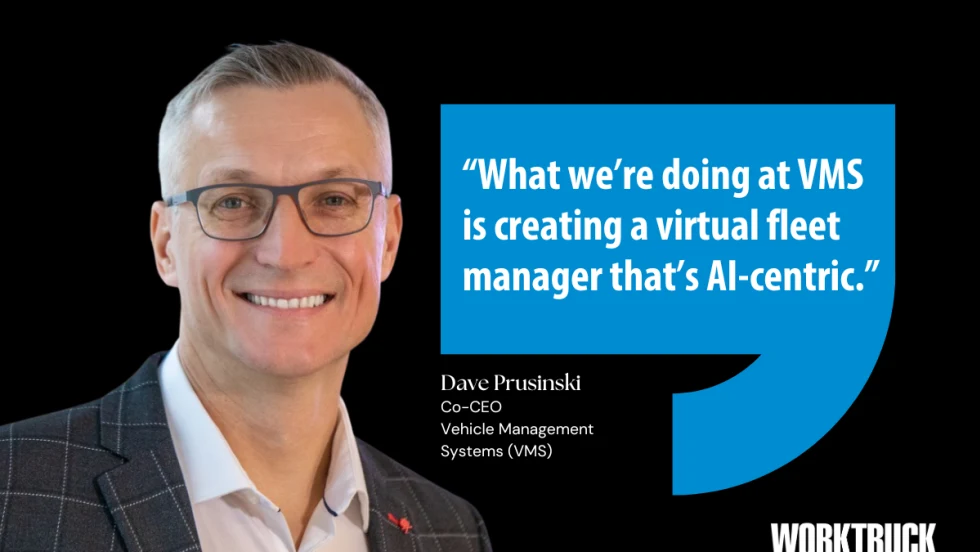
AI, Access, and Uptime: VMS’s Next Chapter with David Prusinski
VMS’s new Co-CEO, David Prusinski, shares how an AI-first approach will give small fleets and repair shops the tools to compete like big players.
Read More →