





End of an Era: ‘That Thing Got a Hemi?’
Toyota's Ambitious Battery Recycling Plans Unveiled
Toyota Motor North America and Redwood Materials aim to create pathways for automotive batteries used in Toyota’s EVs that have reached the end of their life.
November 28, 2023
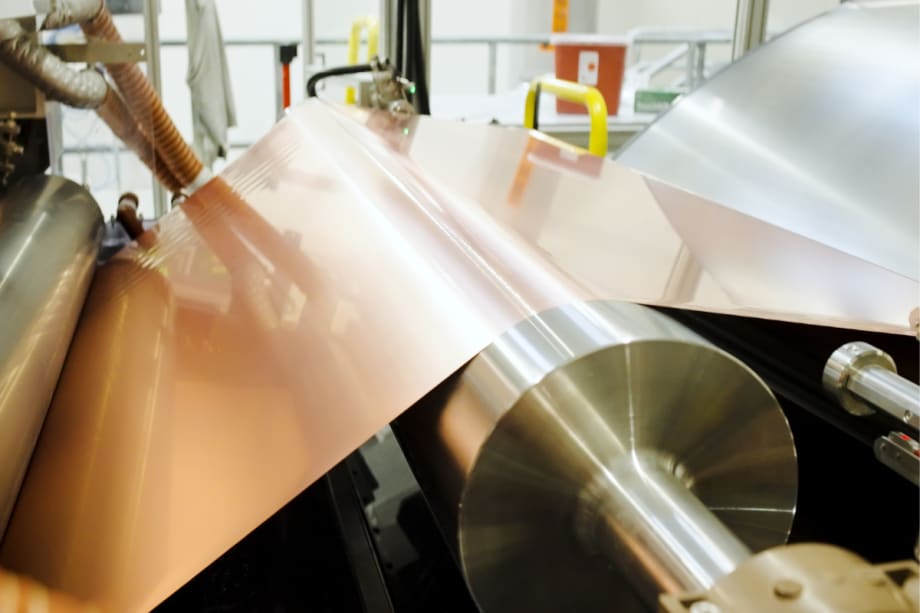
Toyota Motor North America is creating a circular supply chain to optimize logistics with Redwood Materials.
Photo: Toyota Motor North America
3 min to read
Progressing closer to the goal of battery ecosystem circularity, Toyota Motor North America and Redwood Materials expanded recycling agreement that aims to create pathways for automotive batteries used in Toyota’s electrified vehicles that have reached the end of their life.
The plan also includes an agreement for Toyota to source Cathode Active Material (CAM) and Anode copper foil from Redwood’s recycling activities for Toyota’s future, new automotive battery production.
The agreement builds on the collaboration with Redwood announced last year for battery collection and recycling of Toyota’s hybrid and battery electric vehicle batteries.
“Working with Redwood Materials, we are creating a circular supply chain to optimize logistics, expand refining, and ensure that the valuable metals recovered can be reintroduced into our future vehicles,” said Christopher Yang, Group Vice President, Business Development, Toyota Motor North America. “Accelerating our recycling efforts and domestic component procurement gets us closer to our ultimate goal of creating a closed-loop battery ecosystem that will become increasingly important as we add more vehicles with batteries to roads across North America.”
Toyota's Commitment to Carbon Neutrality
Toyota anticipates a significant surge in the demand for automotive battery recycling in the coming years, particularly with the aging of its electrified vehicle fleet, including the initial Prius models introduced over two decades ago.
As a considerable portion of Toyota's retired electrified vehicles is in California, the recycling facility in Nevada, operated by Redwood, is poised to enhance Toyota's North American supply chain.
This move is not only geared towards enhancing sustainability but also aims to optimize operational efficiency throughout the Toyota enterprise, establishing a closed-loop battery ecosystem.
The forecast for Toyota's battery lifecycle ecosystem encompasses the recycling, remanufacturing, and repurposing of nearly five million operational units.
This initiative aligns with Toyota's overarching goals of achieving carbon neutrality for its global operations by 2035 and its vehicles by 2050.
Toyota has committed to developing a closed-loop framework, including a long-term agreement to source CAM and copper foil from Redwood.
The agreement outlines that CAM recovered and produced through Redwood's recycling activities will contribute recycled material to future battery production at Toyota Battery Manufacturing, North Carolina (TBMNC).
This strategic use of recycled materials is expected to shift the focus towards domestic supply chains, providing an environmentally conscious alternative to the current carbon-intensive practices of procuring materials outside the United States. Toyota plans to commence operations at its nearly $14 billion TBMNC automotive battery manufacturing facility in 2025.
Redwood's Bold Move: Second Battery Materials Campus to Transform the Industry
Simultaneously, Redwood is investing substantially to expand its technological capabilities and facilities.
The goal is to supply U.S. battery cell manufacturers and automakers with domestically produced strategic battery materials for the first time.
Redwood's expansion includes the development of a second Battery Materials Campus outside Charleston, South Carolina, in addition to its existing Northern Nevada facility.
Both campuses will engage in the recycling, refining, and manufacturing of battery materials, to scale production to 100 GWh annually.
According to the agreement, Redwood is committed to providing materials containing a minimum of 20 percent recycled nickel, 20% recycled lithium, 50% recycled cobalt in their cathode, and exploring the use of recycled copper in their anode copper foil.
More Green Fleet

Fleet Forward Conference Introduces One-Day Passes for 2026
New one-day registration gives fleet professionals the flexibility to attend Tuesday, Wednesday, or Thursday, with passes available for $199 through Sept. 18.
Read More →
CALSTART Rebrands as Catalyst Mobility, Will Combine with Forth in 2027
CALSTART has rebranded as Catalyst Mobility and will combine with Forth at the start of 2027. The new organization said it is poised to become one of the world's largest, strongest, and most impactful clean transportation nonprofits.
Read More →
Electric Truck and Charging Programs to Boost Sustainability at NY & NJ Ports
Together, the Port Authority of New York and New Jersey and CALSTART will electrify drayage and terminal operations serving the East Coast’s busiest container port. A pair of incentive programs totaling $45 million has launched to accelerate adoption of zero-emission drayage trucks and terminal tractors.
Read More →
Xos Hub Surpasses One Gigawatt-Hour of Energy Delivered in the Field
A single Xos Hub has surpassed one gigawatt-hour of energy across more than 33,600 charging sessions in the field, demonstrating performance that supports Xos' expansion across new products and markets.
Read More →
Carrier Transicold Launches All-Electric Vector 8200 TRU for Diesel-Free On-Site Cold Storage
Carrier Transicold’s first engineless multi-temperature TRU helps fresh- and frozen-food fleets add supplemental cold storage capacity during seasonal peaks.
Read More →
Narro Trucks Introduces Electric Utility Vehicle
Narro Trucks officially launched its operations on Aug. 20 and hosted a ride and drive to showcase its electric truck, which will be produced in Virginia.
Read More →
Samsung SDI Takes Full Control of GM Battery JV as Indiana Plant Pivots to Energy Storage
Samsung SDI is taking full control of its Indiana battery plant with GM, marking a major shift from the EV-focused joint venture Charged Fleet first covered in 2023.
Read More →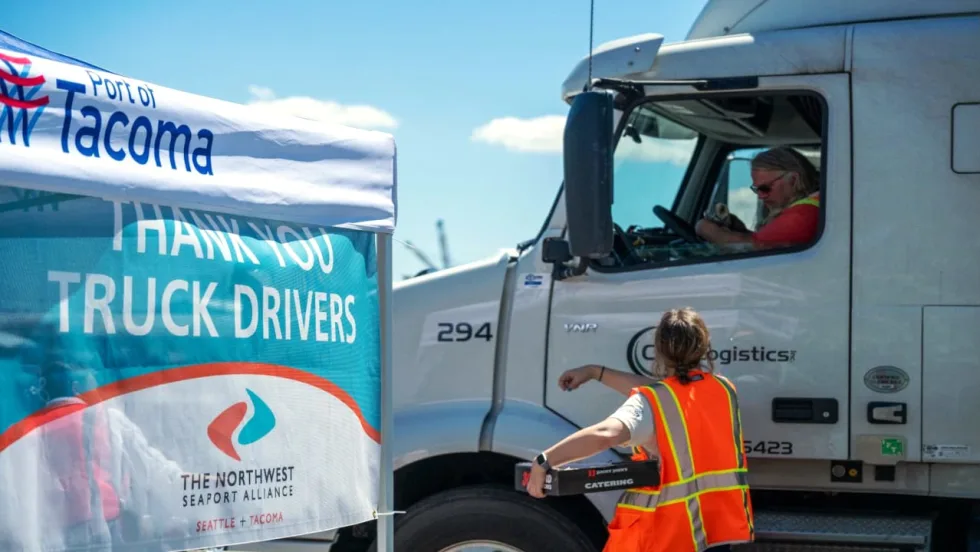
NWSA Taps CALSTART to Administer Zero-Emission Drayage Assistance Program
CALSTART will provide free technical assistance services to drayage fleets serving the Ports of Seattle and Tacoma and looking to transition to cleaner technologies and help decarbonize freight hubs.
Read More →
EV Fleet Reality Check: What Operators Wish They Knew Before Electrifying Their Work Vans
Electric work truck upfits bring new compatibility questions. Learn how parts availability, OEM guidance, power demands, and route planning can affect fleet performance.
Read More →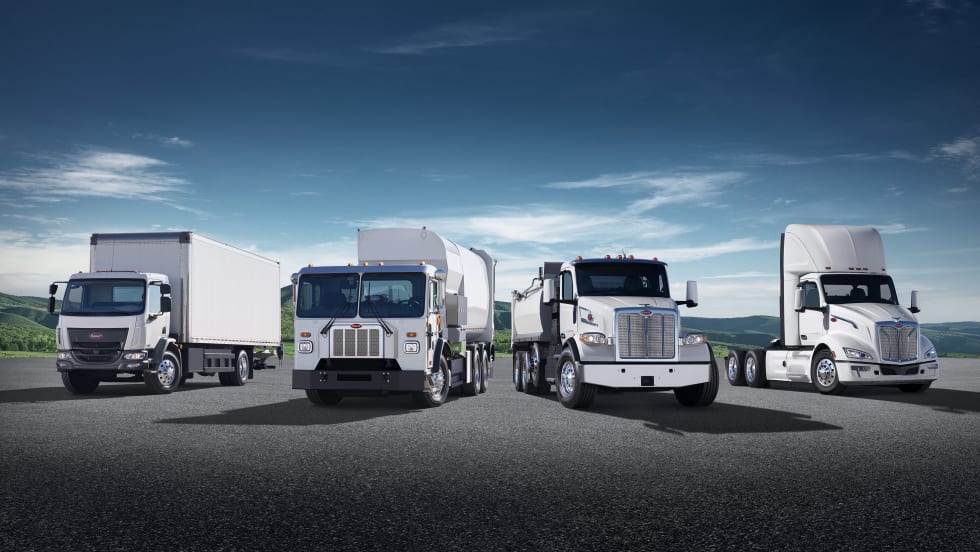
Peterbilt Expands Sourcewell Partnership with Electric Vehicle Lineup
Peterbilt Motors Company’s cooperative purchasing agreement with Sourcewell and its Canadian partner, Canoe Procurement Group, now includes including Peterbilt's battery-electric vehicle lineup.
Read More →