




Toyota Gets CARB Executive Order for HD Fuel Cell Electric Powertrain Kit
Toyota plans to begin assembly of new, more efficient fuel cell modules for hydrogen-powered, heavy-duty commercial trucks at its Kentucky plant later this year.

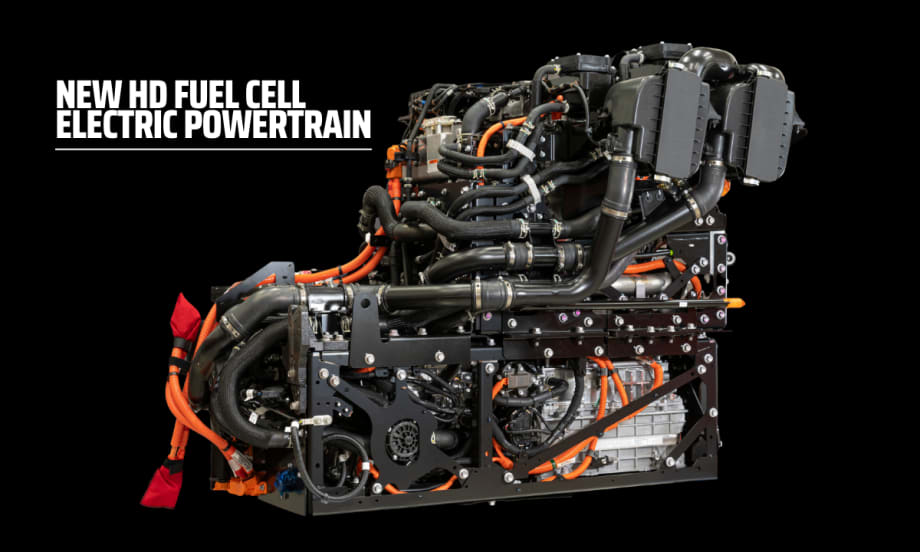
The CARB Executive Order certifies Toyota’s heavy-duty fuel cell electric powertrain kit as a Zero-Emission Powertrain (ZEP).
Photo: Toyota
Heavy-duty Class 8 commercial truck original equipment manufacturers and operators now have another tool to help them comply with increasingly strict emissions regulations in California. Toyota announced that it was recently granted a Zero Emission Powertrain (ZEP) Executive Order from the California Air Resources Board (CARB) for its new heavy-duty fuel cell electric powertrain.
The hydrogen-fueled powertrain kit includes hydrogen fuel storage tanks, fuel cell stacks, batteries, electric motors, and transmission. According to Toyota, it offers a viable alternative to traditional diesel powertrains used in commercial goods transportation as companies look to transition their fleets to zero-emission vehicles.
What's Included in CARB's ZEP Executive Order?
CARB’s ZEP Executive Order certifies that a powertrain complies with CARB regulations for zero-emission powertrains determined to meet specific emissions standards required for sale in California.
OEMs using Toyota’s certified powertrain may also be eligible for other available incentives, such as CARB’s Hybrid and Zero-Emission Truck and Bus Voucher Incentive Project (HVIP), the Clean Truck Fund (CTF) introduced last year by the Ports of Los Angeles and Long Beach, and certain federal incentives.
“Our fuel cell electric powertrains have proven that hydrogen can play a significant role in the emissions reduction of emissions from heavy-duty transportation,” said Scott Friedman, senior program manager, advanced mobility, Toyota Motor North America. “We are excited to offer this powertrain commercially in the near future.”
Toyota's Background with Hydrogen-Powered Trucks
Toyota’s efforts with hydrogen-powered heavy-duty truck powertrains started with Project Portal in 2017. Toyota has developed multiple generations of powertrain prototypes during development, such as those found in the Alpha and Beta trucks that logged nearly 14,000 miles of testing and real-world drayage operations in and around the Port of Los Angeles.
Yet, it was the generation of a truck named “Ocean” that showed some of the most significant examples of how hydrogen-based powertrains with fuel cell stacks could be used in real-world applications, such as drayage, through a proof-of-concept demonstration at the Port of Los Angeles as part of the Zero-and-Near-Zero Emission Freight Facilities’ “Shore to Store” Project (ZANZEFF).
For the project, Toyota worked with Kenworth to develop trucks using an updated prototype fuel cell electric powertrain and deployed it in 10 Kenworth T680 Class 8 trucks. The 10 fuel-cell-electric trucks served real-world customers via drayage routes, with infrastructure support from Shell, hauling cargo between the Ports of Los Angeles and Long Beach and the LA Basin.
ZEP-Powertrain Kit: Order Up
Toyota’s CARB ZEP-certified powertrain kit is now ready for commercialization, with production slated to start for customers later this year at the company’s Kentucky manufacturing plant. According to the manufacturer, this newest generation of powertrain reflects key learnings and improvements in energy efficiency, package size, and more from real-world testing and development from the company’s fuel cell development engineering team.
Toyota added that fuel cell electric powertrains are advantageous for heavy- and medium-duty transport compared to other all-electric options, such as battery electric, as they are often lighter to allow for more payload, and they offer more uptime thanks to fueling times that are much closer to conventional diesel powertrains.
“We believe hydrogen will play a significant role in the emissions reduction of heavy-duty transport while not sacrificing the distance, power, or fueling times needed to keep these fleet and individual operators running,” said Chris Rovik, executive program manager, advanced mobility, Toyota Motor North America. “Fuel cell technology is scalable. We believe it will take an increasingly visible and important role in our collective fight to reduce and eliminate carbon as we move towards a hydrogen society.”
From creating one of the world’s first mass-market passenger fuel cell electric vehicles in the Mirai to applying and scaling the technology now to other applications that can benefit from zero-emissions, including heavy-duty transport, power generation systems, and others, Toyota’s research and development with hydrogen fuel cell technology span nearly 30 years.
More Vehicle Research
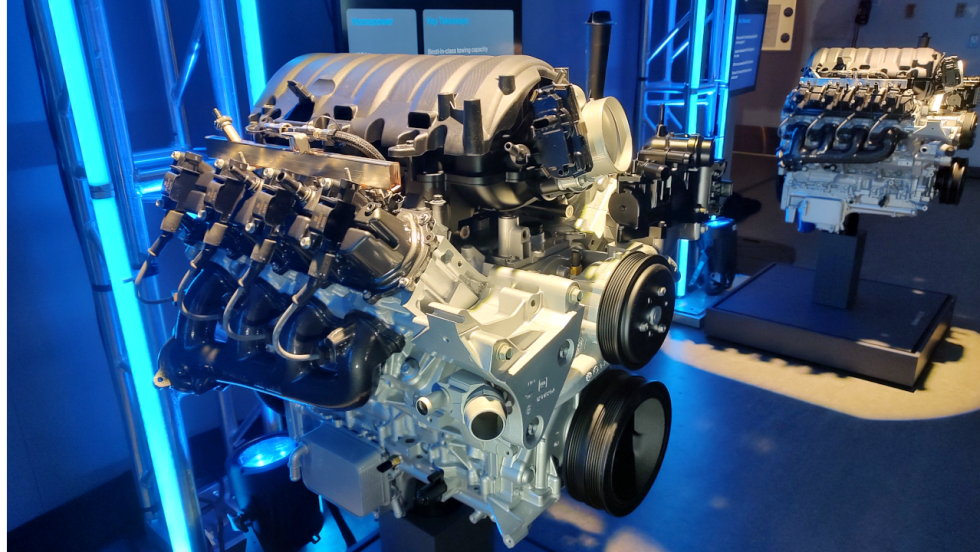
GM Unveils New Sixth-Generation Small Block Engines for 2027 Light-Duty Pickups
General Motors unveiled two new small-block engines, backed by extensive real-world validation and more than 70 years of small-block V8 manufacturing experience, as part of the engine portfolio for the 2027 Chevrolet Silverado 1500 and GMC Sierra 1500.
Read More →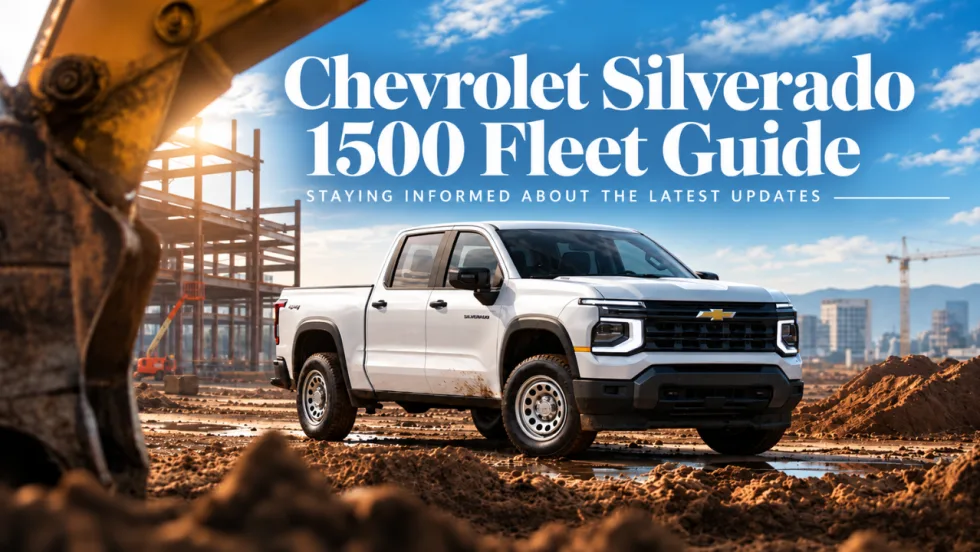
Chevrolet Silverado 1500 Fleet Guide Specs Capability and 2027 Model-Year Updates
The next-generation 2027 Chevrolet Silverado 1500 brings new V-8 engines, updated technology, expanded safety features, and a fleet-focused Work Truck. Here’s what commercial fleets need to know so far.
Read More →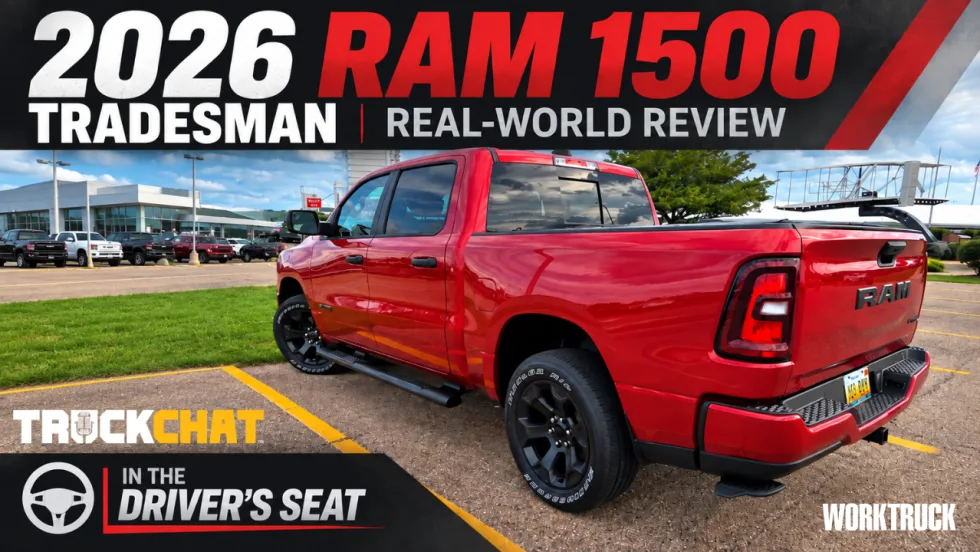
2026 Ram 1500 Tradesman Put to a Real-World Fleet Test
A few days behind the wheel of a 2026 Ram 1500 Tradesman turned into a test of visibility, parking, work-ready features, and even severe-weather driving.
Read More →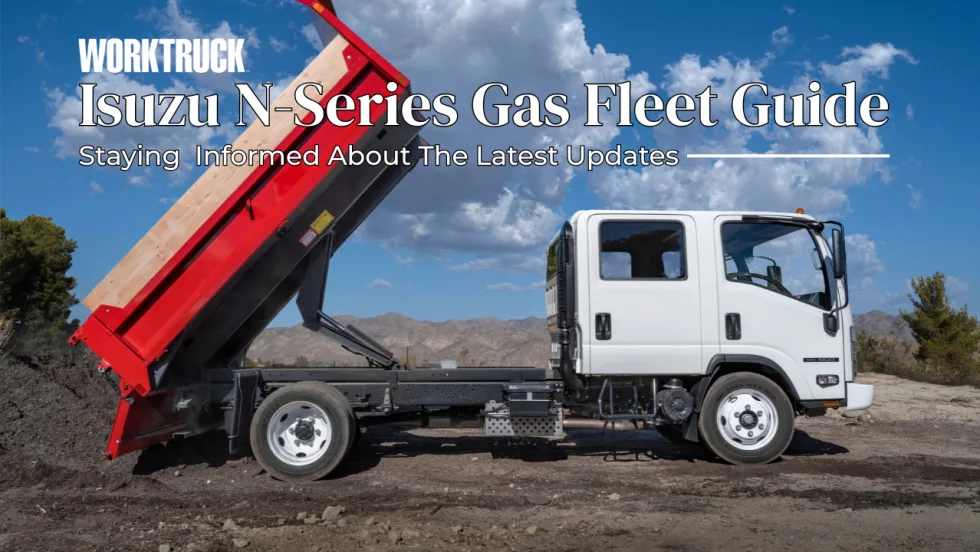
Isuzu N-Series Gas Fleet Guide: Specs, Capability and 2027 Model-Year Updates
Explore Isuzu Truck North America’s N-Series Gas fleet specs, engine performance, GVWR and payload capability, configurations, chassis dimensions, work-focused features, and 2027 model-year information.
Read More →
Ram ProMaster City Fleet Guide Specs Cargo Capacity and 2027 Updates
Work Truck’s Ram ProMaster City Fleet Guide tracks the latest specifications, cargo capability, configurations, fleet technology, pricing, and model-year updates for Ram’s mid-size commercial van.
Read More →
Ford F-150 Fleet Guide Specs Capability and 2026 Model-Year Updates
Explore 2026 Ford F-150 fleet specs, engines, towing and payload capability, configurations, work features, technology, and model-year updates.
Read More →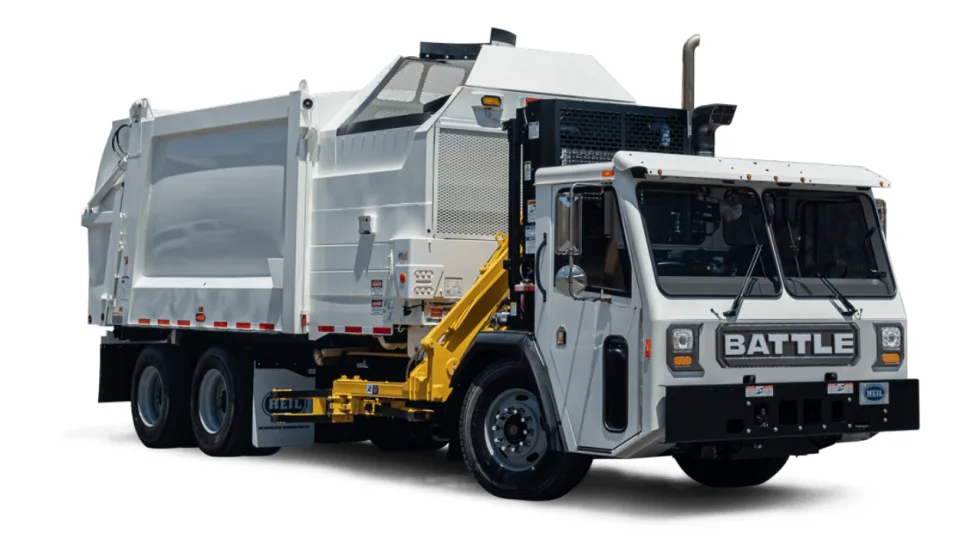
TCI Now Sells & Supports Battle Motors’ Vocational Trucks
Midwest truck dealer Truck Centers, Inc. (TCI) has expanded its transportation solutions with sales and service support for Battle Motors’ heavy-duty vocational trucks at locations in locations in Indiana, Illinois, and Missouri
Read More →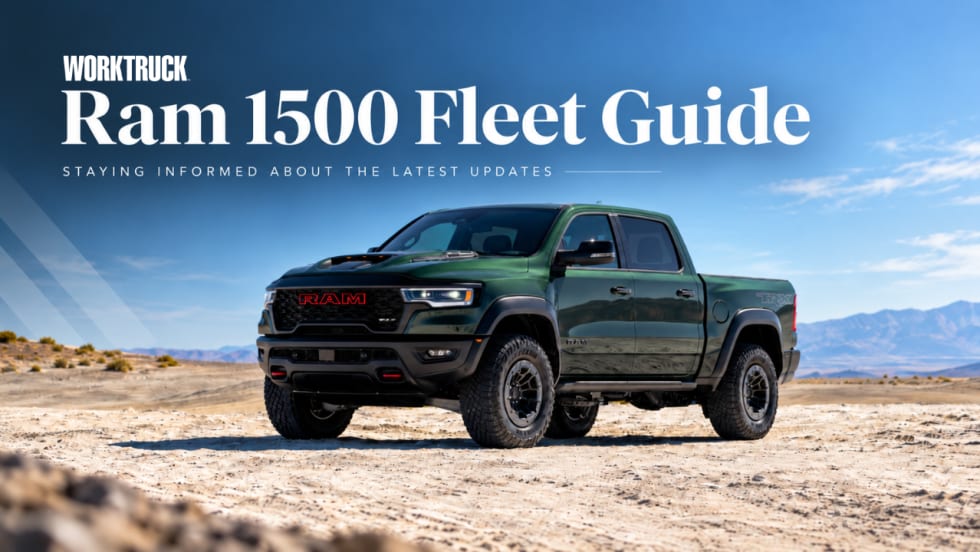
Ram 1500 Fleet Guide Specs, Capability and 2027 Model-Year Updates
Explore always up-to-date Ram 1500 fleet specs, engines, towing and payload capability, configurations, technology, pricing updates, and model-year changes.
Read More →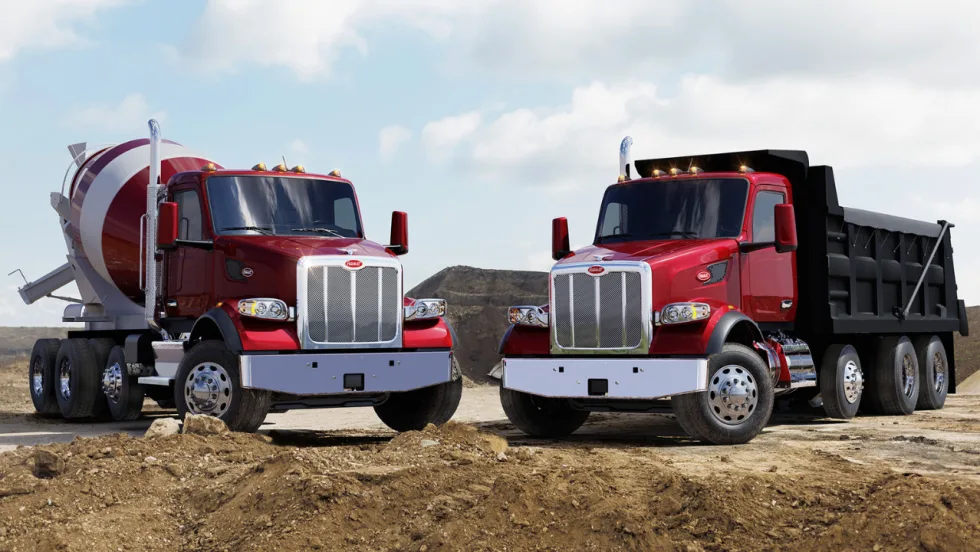
Peterbilt Trucks Equipped with Paccar TX-18 Pro Boost Efficiency for Maryland Fleet
Patuxent Companies is replacing aging trucks with the Peterbilt Model 567 and Model 589, specified with the Paccar TX-18 Pro 18-speed automated transmissions, and is reporting an 8% to 10% improvement in fuel economy.
Read More →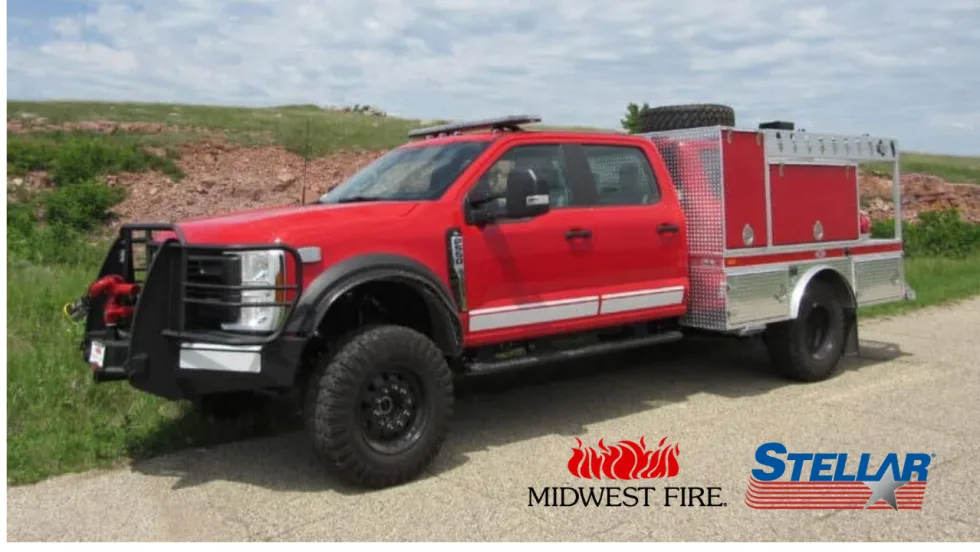
Stellar Expands into Fire Apparatus Market with Acquisition of Midwest Fire
Stellar Industries has acquired Midwest Fire, a custom fire apparatus manufacturer headquartered in Luverne, Minnesota, with nearly four decades of specialized apparatus experience.
Read More →