





Learn More: Autonomous Technology - The Future Is Now
Torc Robotics Performs Successful Fully Autonomous Product Validation
Torc Robotics, an autonomous trucking company backed by Daimler Truck, said its driverless truck validation testing was successful. It hopes to launch a commercial product by 2027.
October 30, 2024
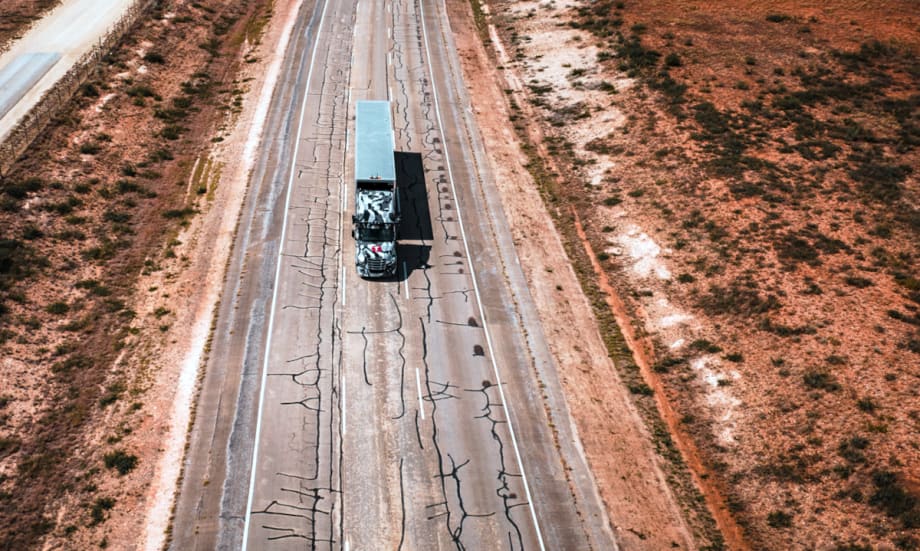
Torc Robotics’ embedded and integrated platform on Daimler Truck’s Freightliner Cascadia was tested during autonomous driving evaluations in a multi-lane closed-course environment at highway speeds.
Photo: Torc Robotics
2 min to read
Torc Robotics, an independent subsidiary of Daimler Truck AG and a pioneer in commercializing self-driving vehicle technology, announced earlier this year it began successfully advanced validation of the company's autonomous trucks without a driver in a multi-lane closed-course environment.
Torc said the driverless product acceptance test underscored Torc's evolution to productization and positioned the company to scale and commercialize safe, robust, autonomous trucking solutions by 2027. The testing was conducted at full operating speed of up to 65 mph to optimize fuel efficiency
“This is a key moment in our mission to build a profitable, scalable business as the world’s leading autonomous solution,” said CEO Peter Vaughan Schmidt. “We observed impressive reliability in our repeated driverless runs, which leveraged Torc’s unparalleled embedded and integrated platform on Daimler Truck’s Freightliner Cascadia. We look forward to unlocking the full value of autonomous driving software for customers who prioritize safety, operations costs, ease of use, and reliability.”
Preparing for Scalable Product Release in 2027
Unlike a demo, this milestone highlighted Torc’s entry into a scalable product release. The company said its applied artificial intelligence (AI) technology, system architecture, production-intent embedded hardware, and safety engineering converged to shape a product that the company said prioritizes true software best practices and safer roadways for all.
“Artificial intelligence has undoubtedly been the biggest buzzword of the year, but real-world uses are few and far between. Autonomous trucking is one of the most concrete applications for AI that can drive demonstrated revenue, business value, and industry transformation – and Torc is at the forefront of creating an autonomous solution with safety, scalability, and cost efficiency top of mind,” said CJ King, Torc’s chief technology officer. “With our long-standing tenure in the autonomous space, this milestone reinforces Torc’s safety-focused commitment to driving the future of freight.”
More Vehicle Research
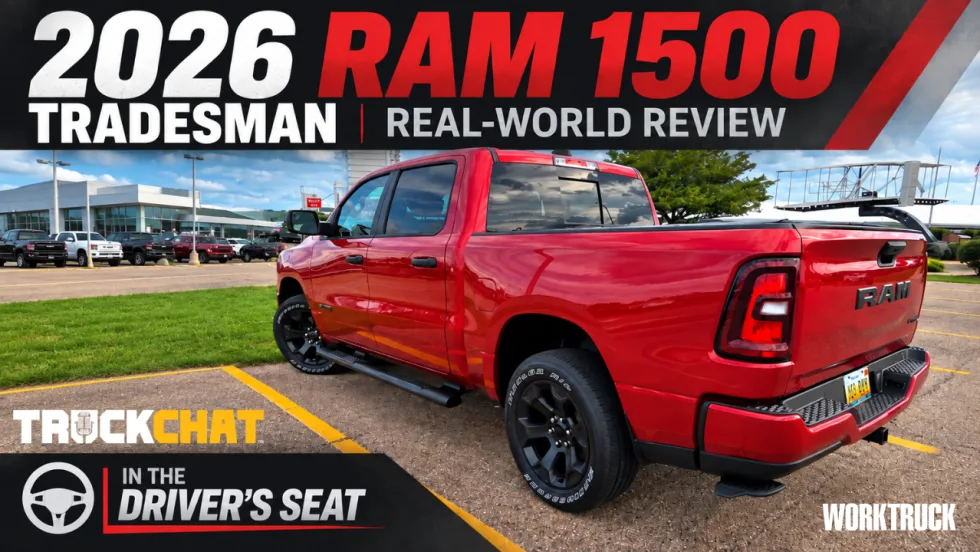
2026 Ram 1500 Tradesman Put to a Real-World Fleet Test
A few days behind the wheel of a 2026 Ram 1500 Tradesman turned into a test of visibility, parking, work-ready features, and even severe-weather driving.
Read More →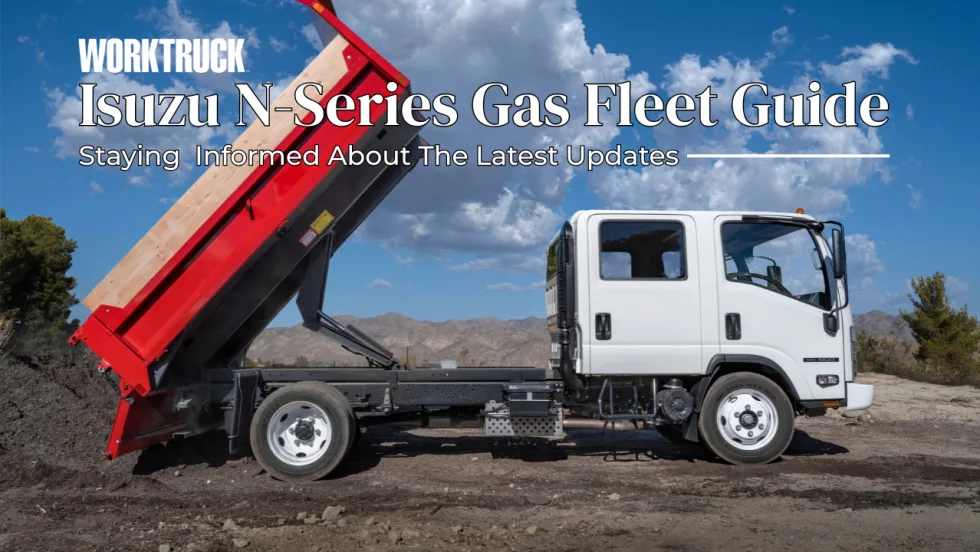
Isuzu N-Series Gas Fleet Guide: Specs, Capability and 2027 Model-Year Updates
Explore Isuzu Truck North America’s N-Series Gas fleet specs, engine performance, GVWR and payload capability, configurations, chassis dimensions, work-focused features, and 2027 model-year information.
Read More →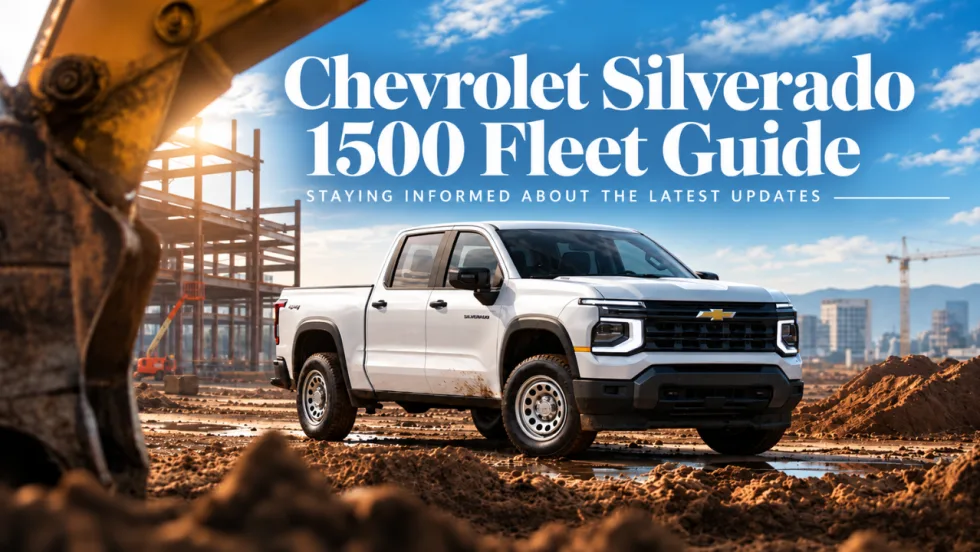
Chevrolet Silverado 1500 Fleet Guide Specs Capability and 2027 Model-Year Updates
The next-generation 2027 Chevrolet Silverado 1500 brings new V-8 engines, updated technology, expanded safety features, and a fleet-focused Work Truck. Here’s what commercial fleets need to know so far.
Read More →
Ram ProMaster City Fleet Guide Specs Cargo Capacity and 2027 Updates
Work Truck’s Ram ProMaster City Fleet Guide tracks the latest specifications, cargo capability, configurations, fleet technology, pricing, and model-year updates for Ram’s mid-size commercial van.
Read More →
Ford F-150 Fleet Guide Specs Capability and 2026 Model-Year Updates
Explore 2026 Ford F-150 fleet specs, engines, towing and payload capability, configurations, work features, technology, and model-year updates.
Read More →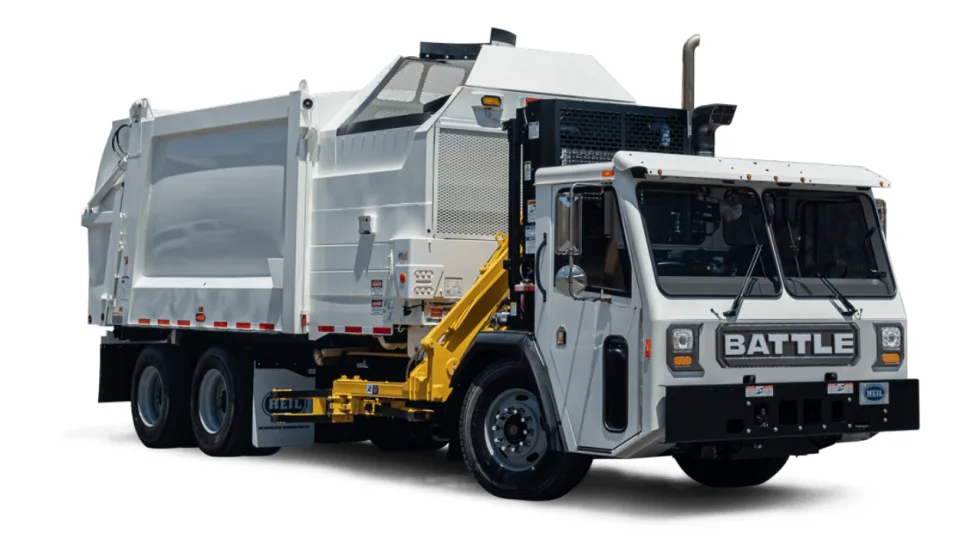
TCI Now Sells & Supports Battle Motors’ Vocational Trucks
Midwest truck dealer Truck Centers, Inc. (TCI) has expanded its transportation solutions with sales and service support for Battle Motors’ heavy-duty vocational trucks at locations in locations in Indiana, Illinois, and Missouri
Read More →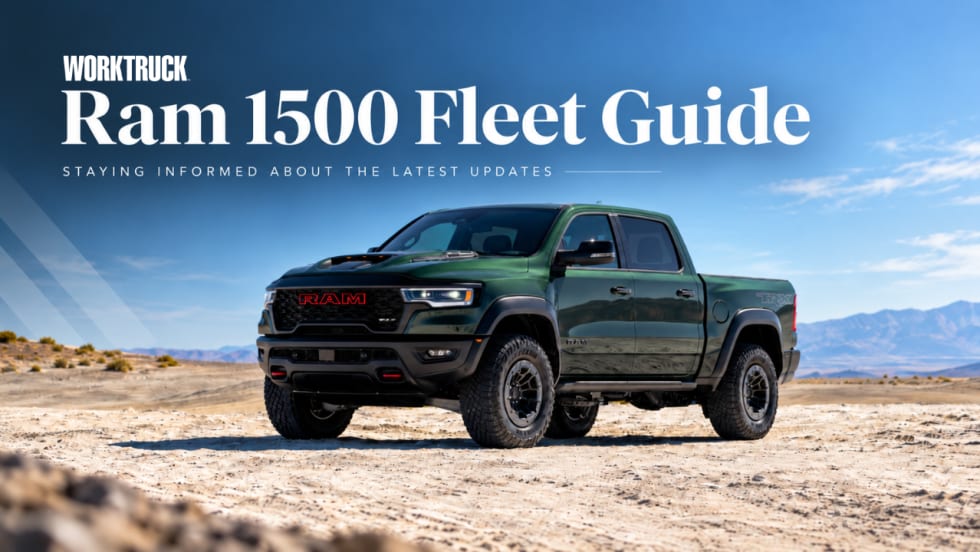
Ram 1500 Fleet Guide Specs, Capability and 2027 Model-Year Updates
Explore always up-to-date Ram 1500 fleet specs, engines, towing and payload capability, configurations, technology, pricing updates, and model-year changes.
Read More →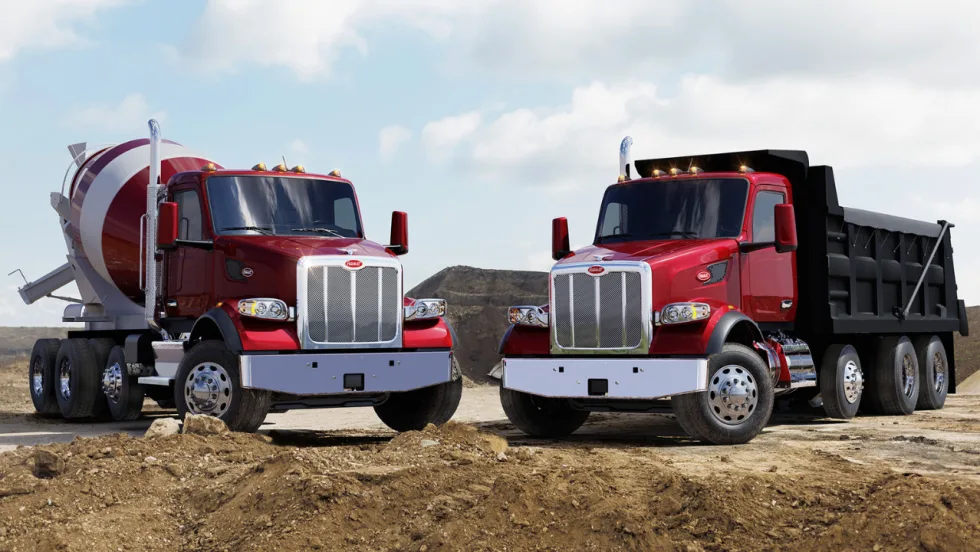
Peterbilt Trucks Equipped with Paccar TX-18 Pro Boost Efficiency for Maryland Fleet
Patuxent Companies is replacing aging trucks with the Peterbilt Model 567 and Model 589, specified with the Paccar TX-18 Pro 18-speed automated transmissions, and is reporting an 8% to 10% improvement in fuel economy.
Read More →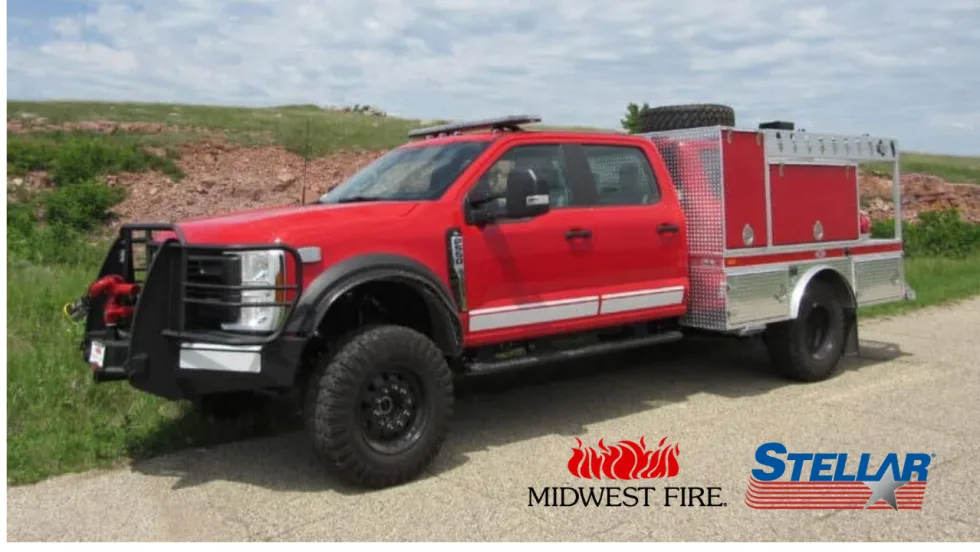
Stellar Expands into Fire Apparatus Market with Acquisition of Midwest Fire
Stellar Industries has acquired Midwest Fire, a custom fire apparatus manufacturer headquartered in Luverne, Minnesota, with nearly four decades of specialized apparatus experience.
Read More →
Recalls You Need to Know About in August 2026
If you have Altec, Chrysler, Ford, Heil, General Motors, International, Mack Trucks, Paccar, Rivian, Royal Truck, Toyota, US Truck Body, or Volvo Trucks vehicles in your fleet, you should check these important recalls issued by the National Highway Safety Administration.
Read More →