




Tire Pressure Sensors "Hot"; Pending Legislation Spurs Development
Bridgestone/Firestone Inc. and Ford Motor Co. didn't need an exhibit booth to have a major presence at the Society of Automotive Engineers' 2001 World Congress in early March. The recent high-profile recall of 6.5 million Firestone tires mounted mostly on Ford Explorer sport-utility vehicles has had a direct impact on exhibitors' stands with a big jump in the number of tire pressure monitoring devices on display, according to a story by Rene Wisely in the Detroit News. "It's amazing how many people are jumping in to the business," Ann Carver, an electronic product engineer at Schrader Electronics, told the News. The Northern Ireland-based company is considered a leading developer of tire monitoring devices. Since 1991, Schrader Electronics has produced sensors that detect low pressure in tires and transmit the information to drivers. Attached to the valve on each tire, the sensors have become standard equipment on many luxury cars -- including the Cadillac Seville, Chevrolet Corvette, and the Renault Laguna II and the Peugeot 607 in Europe. German auto parts giant Siemens Automotive gave automakers a peek at its latest tire-pressure monitoring device that will debut on the 2002 Ford Explorer. It measures tire pressure, the temperature inside the tire, and a tire's acceleration through rotation speed. Siemens also showed sensing devices that indicate which tire is low, provide audible warning alarms when pressure is so low that a blowout is imminent, and other tire pressure sensors that work in tandem with a remote keyless entry system. Industry experts said they expect to see even more tire pressure monitoring devices at next year's show. The catalyst behind the boom in tire-pressure monitoring devices is pending U.S. legislation known as the "Tread Act." Enacted in the wake of the Firestone tire recall last year, the law will make it mandatory for all newly launched vehicles beginning in 2003 to have a tire-pressure monitoring system. About 30 SAE members met with National Highway Traffic Safety Administration officials in Troy in early March to give their input into how detailed the pressure systems must be starting with 2003 model vehicles. NHTSA is writing rules that will detail how automakers must comply with the new law. The rising cost of gasoline and efforts to improve fuel economy are serving as another impetus to offer tire pressure monitoring devices, according to industry analysts.
More Small Fleet

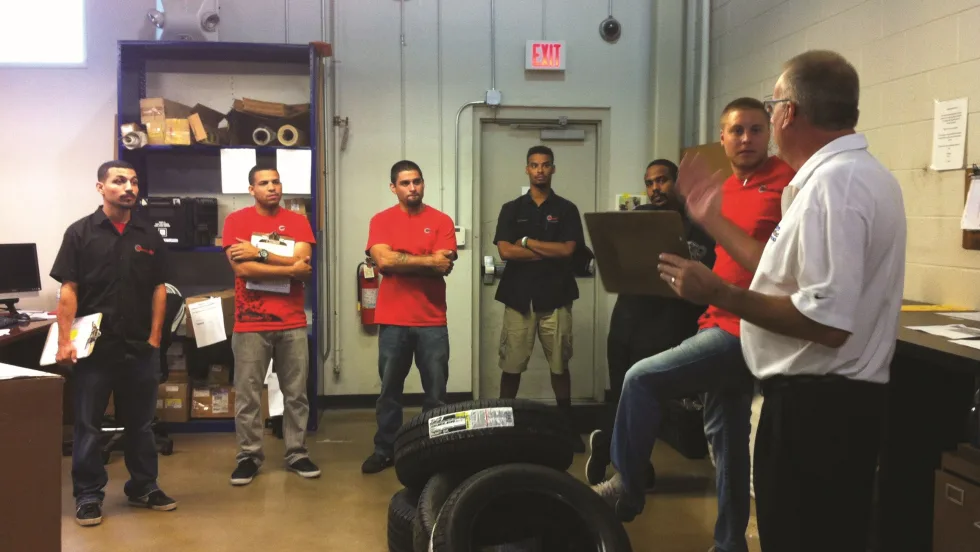
Developing Budget-Friendly Driver Safety Programs
From driver training and safety meetings to one-on-one coaching and incentive programs, several small fleets share how they have developed a safety culture with their drivers using low- to no-cost resources.
Read More →
Boosting Last-Mile Fleet Uptime, Safety, and Value with AI Vehicle Inspections
AI-powered inspections are transforming last-mile fleets by replacing manual checks with highly accurate automated scans that detect defects in seconds. By giving fleet operations visibility into the daily condition of their vehicles, you can identify trends over the vehicle’s lifecycle that enable improved procurement decisions, route management, driver training and accountability.
Read More →
Five Ways Seat Belts Help Prevent Injuries
There are five ways seat belts protect occupants from injuries, according to the Tennessee Department of Safety and Homeland Security.
Read More →
It’s here: The 2026 Fleet Technology Trends Report
What does AI mean for fleets? Get the answer — and learn other top tech trends.
Read More →
Small Fleets, Big Impact: How Independent Drivers Power Wreaths Across America
Check out how small fleets and independent drivers power Wreaths Across America each December and why their impact matters more than ever.
Read More →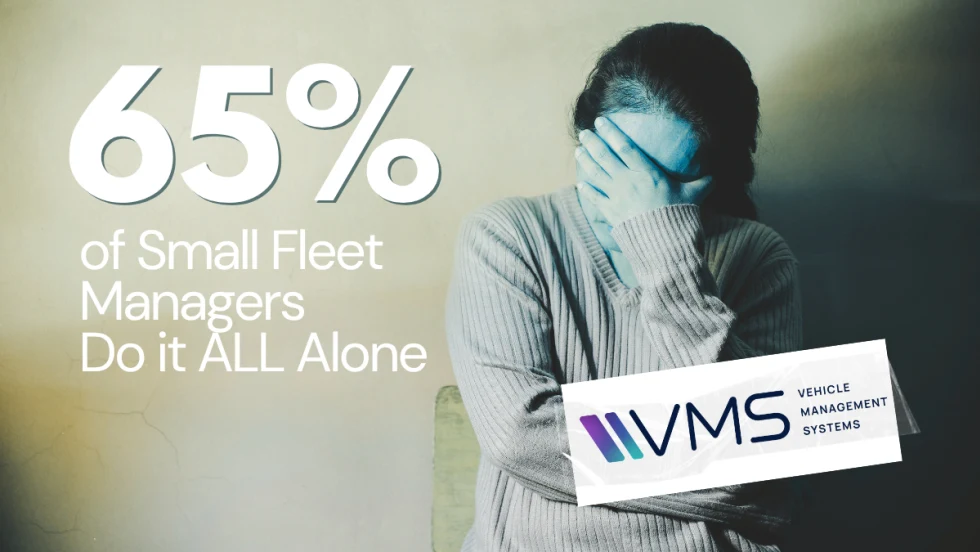
VMS Survey Finds 65% of Small Fleet Managers Run Operations Alone
A new VMS survey shows small fleet managers are stretched thin, with most handling operations solo and eager to adopt digital tools for relief.
Read More →
Tips for Driving Safely on Halloween Night
This video features a reminder from the Connecticut Department of Transportation (DOT) and the Connecticut Police Chiefs Association, urging drivers to prioritize safety this Halloween.
Read More →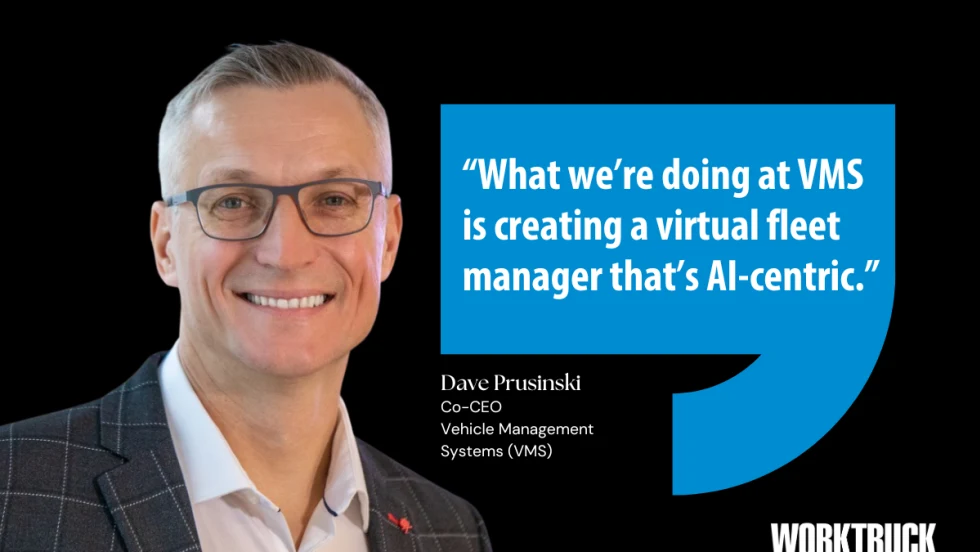
AI, Access, and Uptime: VMS’s Next Chapter with David Prusinski
VMS’s new Co-CEO, David Prusinski, shares how an AI-first approach will give small fleets and repair shops the tools to compete like big players.
Read More →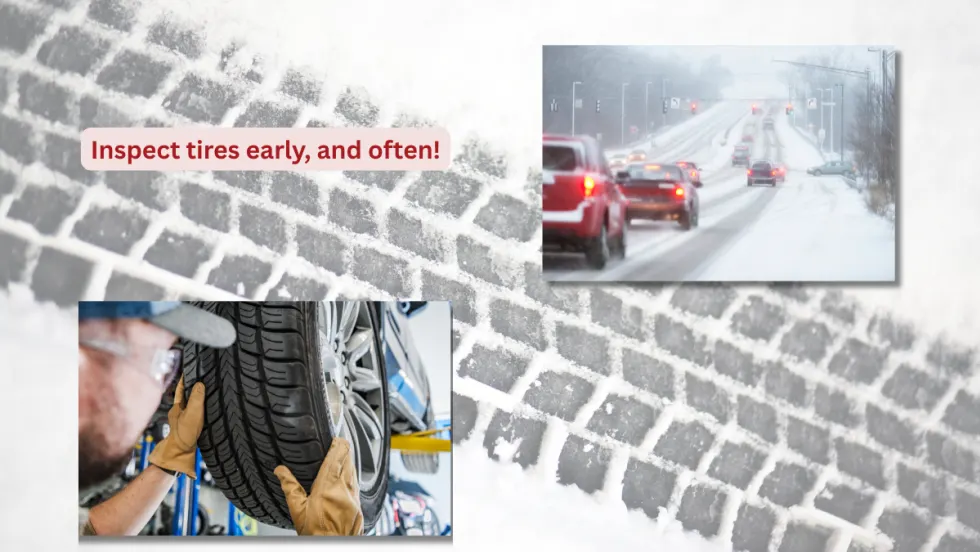
Fleet Managers Share Winter Prep Tips: It's Never Too Early!
Three fleets share best practices to prep vehicles for winter and prevent downtime when the cold sets in.
Read More →