




Tire Makers Seek Safer Standard for Tire Pressure Monitors
Tire makers are renewing a call for a safer standard for tire pressure monitors as a new survey released on August 21 shows that the devices will cause American motorists to check their tire pressure less frequently. The survey, sponsored by the Rubber Manufacturers Association, found that the frequency of U.S. motorists checking tire pressure will likely drop by nearly 25 percent in vehicles equipped with tire pressure monitoring systems (TPMS). Even motorists who exhibit the most responsible tire pressure checking behavior -- checking pressure at least once a month -- would likely show a significant decline in tire maintenance. "The tire industry has been working for decades to encourage motorists to check their tire pressure regularly," said Donald B. Shea, RMA president and CEO. "But our survey shows that many drivers will reduce or stop checking their tire pressure because they may incorrectly believe that their tires are properly inflated when the tire pressure warning light is off." The National Highway Traffic Safety Administration (NHTSA) issued a regulation last year mandating tire pressure monitoring systems in new vehicles beginning with the 2004 model year. Under that rule, tire pressure monitors had to warn motorists when tire pressure fell 25 or 30 percent below the vehicle manufacturer's recommended level. "The trigger point for a tire pressure monitoring system to warn a driver must be when the tire is overloaded for its inflation pressure," Shea said. "If tire pressure monitoring systems do not provide an adequate warning to motorists and drivers become more complacent about proper tire care, the risk of tire failures may increase." One year ago, RMA petitioned NHTSA to adopt a new safety regulation requiring motor vehicle tires to have a "reserve inflation pressure." NHTSA has not yet responded to the RMA petition. The petition included data on 100 vehicle/tire combinations, which when outfitted with TPMS, showed over seventy percent would fail to warn motorists before the vehicle's tires reach a point when the inflation pressure can no longer carry the load. RMA believes a reserve pressure rule will ensure that TPMS will provide drivers with a timely warning when tires are underinflated. Under RMA's proposal, a vehicle's tires would be required to have a recommended inflation pressure that would be sufficient to carry the vehicle's maximum load even if the tire loses a significant amount of pressure. This would provide consumers with a vital safety net since only 14 percent of motorists properly check their inflation pressure, according to a February 2003 RMA survey. Echoing RMA's concerns about TPMS, a National Transportation Safety Board (NTSB) crash investigation of 15-passenger vans last month concluded that NHTSA's tire pressure monitoring standard "is insufficient to warn van drivers of potentially unsafe low pressures." NTSB is recommending that NHTSA adopt "more stringent detection standards" for low tire pressure than is currently mandated. A U.S. Appeals Court decision on August 6 overturned the TPMS rule and ordered the agency to craft a new one. The court overturned the rule on grounds that the agency inappropriately permitted certain types of tire pressure monitoring systems to be installed on new vehicles. RMA was not involved in the lawsuit that led to nullification of the rule but is renewing a call to ensure that the systems appropriately warn motorists of low tire pressure. "We want to work with the government so the tire pressure monitoring systems promote safety," Shea said. "A tire pressure monitoring system can be an effective safety tool for motorists only if it provides a timely warning." Regardless of whether a vehicle has a tire pressure monitoring system, RMA recommends that consumers check tire pressure every month and before long trips. "A tire pressure monitoring system is meant to supplement, not replace, regular tire maintenance by consumers," Shea said. RMA sponsored focus groups and a survey to determine how motorists' tire care and maintenance behavior would be affected by TPMS-equipped vehicles. Among the survey findings:
The frequency of motorists who check tire pressure will drop nearly 25 percent from current levels.
Two-thirds of those surveyed say they would be "less concerned with routinely maintaining recommended tire pressure" if their vehicle were equipped with TPMS.
One third of drivers who currently check their tire pressure monthly -- in accordance with tire industry and NHTSA recommendations -- would not check as frequently with a TPMS-equipped vehicle.
More than one in three drivers say they would not need to check inflation pressure with a tire gauge until a TPMS warning light came on.
More than 30 percent of drivers say that they would sometimes ignore a TPMS warning light.
Half of drivers surveyed assume that a standard set by the federal government would make the trigger point safe for all vehicles. Only seven percent surveyed believe the government's original standard was correct in setting the pressure loss trigger point at 25 to 30 percent. Founded in 1915, the Rubber Manufacturers Association is the national trade association of the rubber products industry. Its membership includes more than 100 member companies that manufacture tires and other rubber products. All RMA press releases are available at www.rma.org.
More Small Fleet

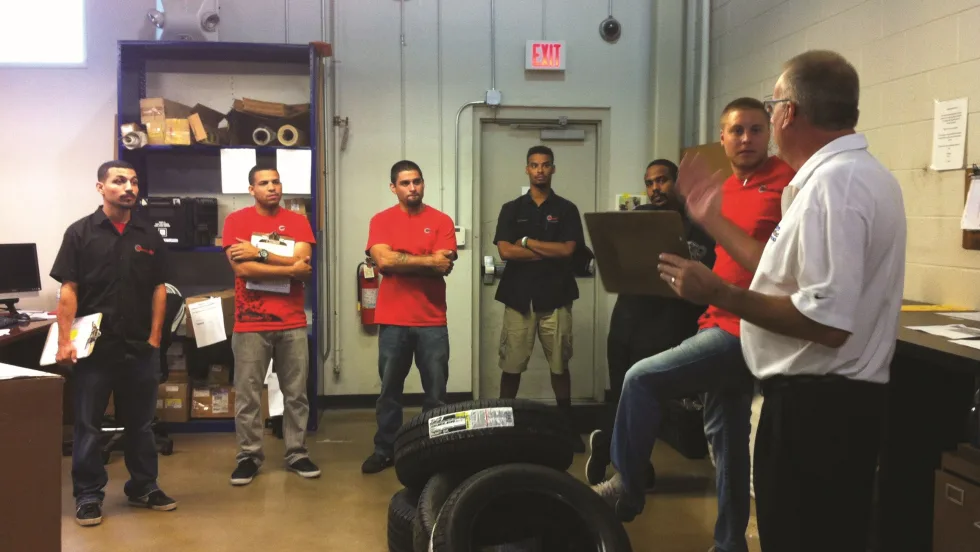
Developing Budget-Friendly Driver Safety Programs
From driver training and safety meetings to one-on-one coaching and incentive programs, several small fleets share how they have developed a safety culture with their drivers using low- to no-cost resources.
Read More →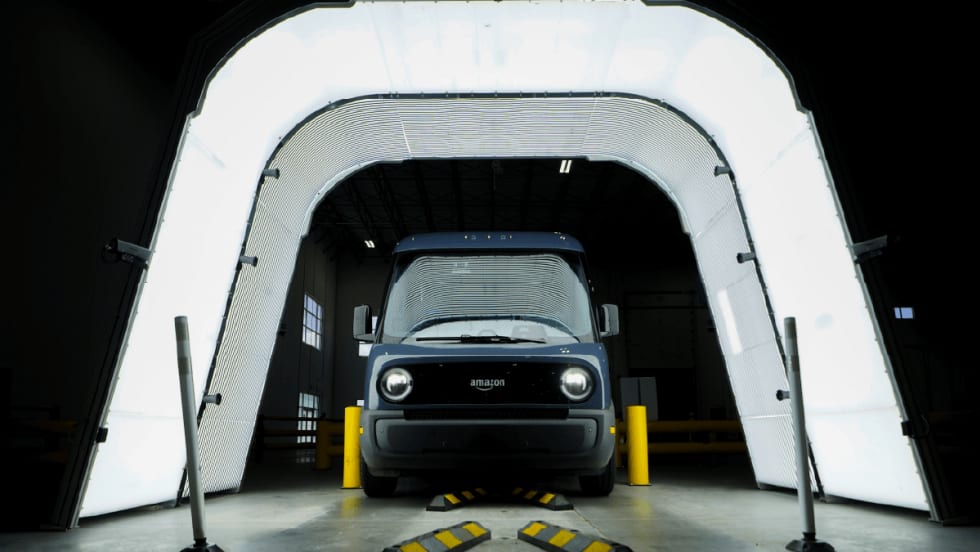
Boosting Last-Mile Fleet Uptime, Safety, and Value with AI Vehicle Inspections
AI-powered inspections are transforming last-mile fleets by replacing manual checks with highly accurate automated scans that detect defects in seconds. By giving fleet operations visibility into the daily condition of their vehicles, you can identify trends over the vehicle’s lifecycle that enable improved procurement decisions, route management, driver training and accountability.
Read More →
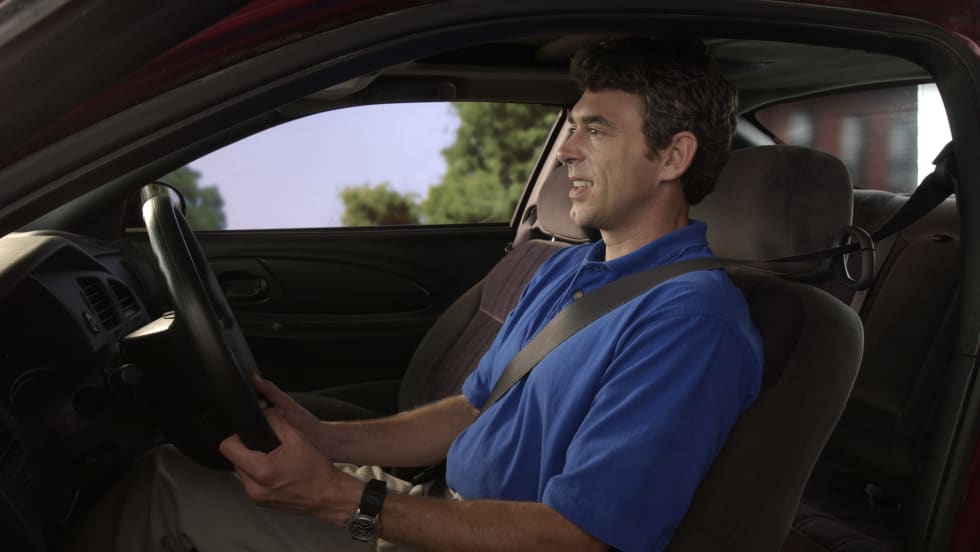
Five Ways Seat Belts Help Prevent Injuries
There are five ways seat belts protect occupants from injuries, according to the Tennessee Department of Safety and Homeland Security.
Read More →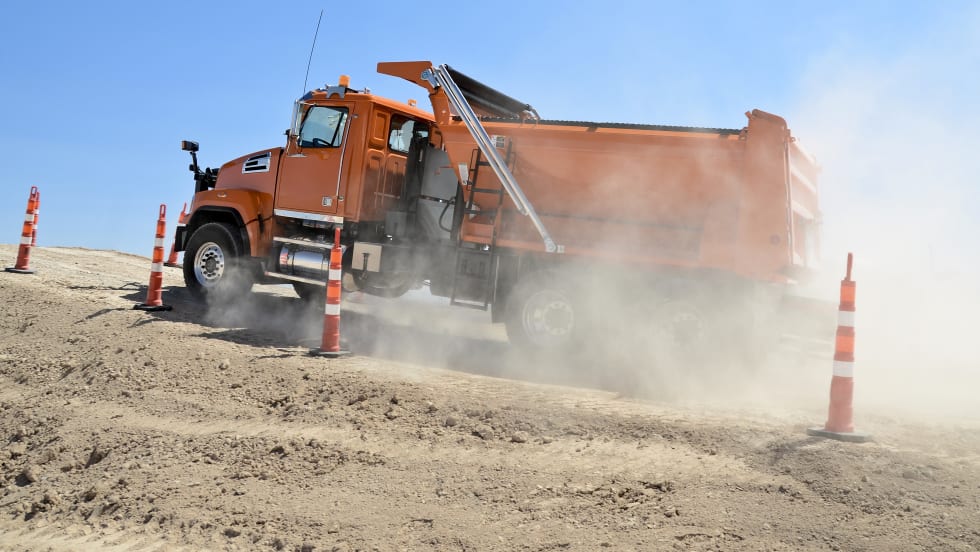
Basic Tracking vs Next Generation Fleet Technology
Fleet software is getting more sophisticated and effective than ever, tying big data models together to transform maintenance, safety, and the value of your existing tech stack. Fleet technology upgrades are undoubtedly an investment, but updated technology can offer a much higher return. Read how upgrading your fleet technology can increase the return on your investment.
Read More →
It’s here: The 2026 Fleet Technology Trends Report
What does AI mean for fleets? Get the answer — and learn other top tech trends.
Read More →
Small Fleets, Big Impact: How Independent Drivers Power Wreaths Across America
Check out how small fleets and independent drivers power Wreaths Across America each December and why their impact matters more than ever.
Read More →
VMS Survey Finds 65% of Small Fleet Managers Run Operations Alone
A new VMS survey shows small fleet managers are stretched thin, with most handling operations solo and eager to adopt digital tools for relief.
Read More →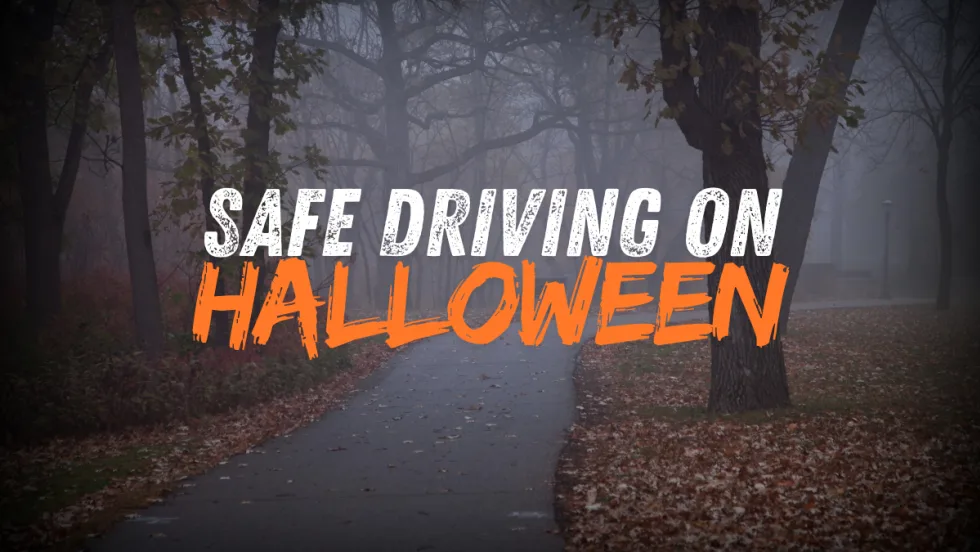
Tips for Driving Safely on Halloween Night
This video features a reminder from the Connecticut Department of Transportation (DOT) and the Connecticut Police Chiefs Association, urging drivers to prioritize safety this Halloween.
Read More →
AI, Access, and Uptime: VMS’s Next Chapter with David Prusinski
VMS’s new Co-CEO, David Prusinski, shares how an AI-first approach will give small fleets and repair shops the tools to compete like big players.
Read More →