




THINK Delivers Electric Cars in Indiana, Receives CARB Approval
Approval from the California Air Resources Board paves the way for THINK to sell the all-electric THINK City in California, 12 other states and the District of Columbia, which have adopted California’s ZEV requirements.
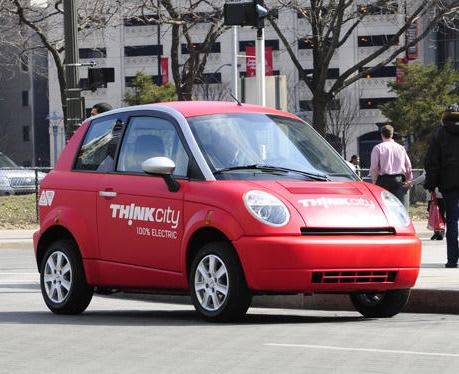
The all-electric THINK City vehicle.
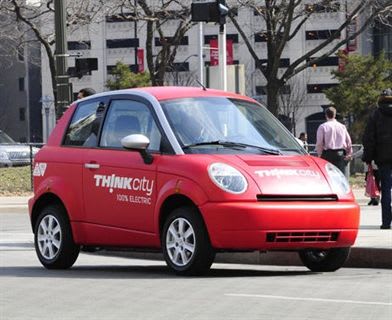
THINK, a manufacturer of electric vehicle, has delivered its first U.S.-built cars to the state of Indiana for use in its government fleet. The 15 vehicles, which were shipped from THINK's manufacturing facility in Elkhart, Ind., will be the first electric passenger vehicles with American-made, lithium-ion batteries used in a U.S. fleet operation.
"We're proud to be the first manufacturer to deliver an all-electric car built in the U.S. with an advanced battery that suits the needs of government and commercial fleet operators," said THINK CEO Barry Engle. "Our delivery today is part of a larger effort to help transform the U.S. light-duty vehicle fleet from one that is mostly dependent on imported oil, to one that is fueled entirely by domestically produced electric energy."
The THINK City vehicle presentation took place at Fort Harrison State Park outside of Indianapolis and was presided over by Governor Mitch Daniels. The cars were delivered to the Department of Administration and will be used principally by the Department of Natural Resources in the state's park system.
Indiana Department of Administration director Rob Wynkoop, whose agency maintains the state vehicle fleet, said: "We saw this specific green initiative as an opportunity to test alternative energy vehicles in real-life situations. We believe the state parks provide the best locations to test these vehicles."
Mass deployment of electric vehicles in the state of Indiana is being facilitated by Project Plug-IN, an initiative organized by the Energy Systems Network (ESN), which is helping to create electric transportation infrastructure in the U.S.
THINK also announced that the California Air Resources Board (CARB) has approved the THINK City as a zero-emissions vehicle (ZEV). The approval paves the way for THINK to sell the all-electric THINK City in California, 12 other states and the District of Columbia, which have adopted California's ZEV requirements.
"CARB certification is critical for fleet sales, not just in California, but in the other CARB states as well," said THINK spokesperson Brendan Prebo. "These states make up more than 35 percent of the automobile market in the U.S. and represent a significant share of the fleet market."
Designed for fleet applications and urban commuters, the THINK City is durable, highly maneuverable and fun to drive. The THINK City has a range of 100 miles, which meets CARB's Type II ZEV Tier requirements, and uses an advanced lithium-ion battery developed by Ener1.
THINK plans to roll out retail distribution in select cities in the second half of 2011. The retail distribution timeline coincides with the company's plans to expand production at its Elkhart, Ind. manufacturing facility. The company also builds the THINK City in Finland for sale in Europe, where the car has been highway-certified since 1999.
More Small Fleet

Developing Budget-Friendly Driver Safety Programs
From driver training and safety meetings to one-on-one coaching and incentive programs, several small fleets share how they have developed a safety culture with their drivers using low- to no-cost resources.
Read More →
Boosting Last-Mile Fleet Uptime, Safety, and Value with AI Vehicle Inspections
AI-powered inspections are transforming last-mile fleets by replacing manual checks with highly accurate automated scans that detect defects in seconds. By giving fleet operations visibility into the daily condition of their vehicles, you can identify trends over the vehicle’s lifecycle that enable improved procurement decisions, route management, driver training and accountability.
Read More →

Five Ways Seat Belts Help Prevent Injuries
There are five ways seat belts protect occupants from injuries, according to the Tennessee Department of Safety and Homeland Security.
Read More →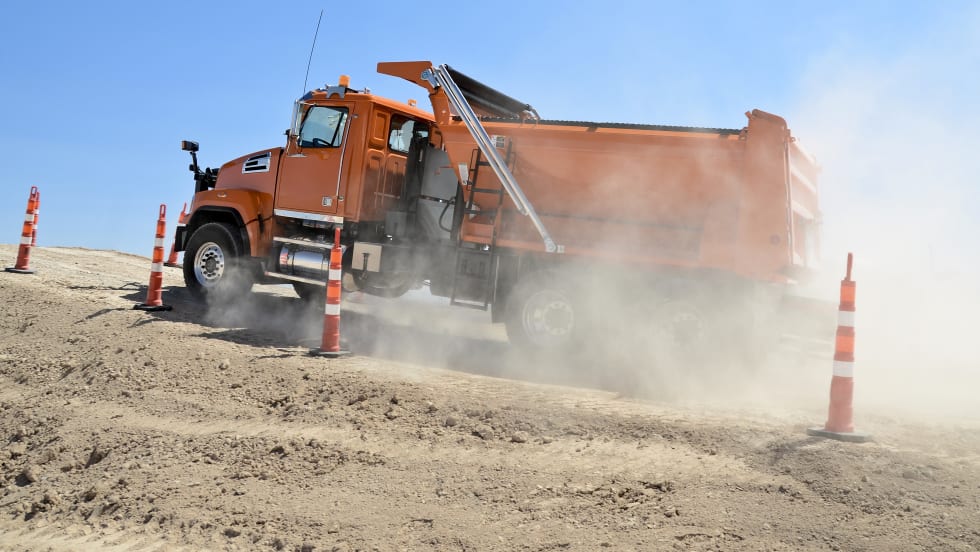
Basic Tracking vs Next Generation Fleet Technology
Fleet software is getting more sophisticated and effective than ever, tying big data models together to transform maintenance, safety, and the value of your existing tech stack. Fleet technology upgrades are undoubtedly an investment, but updated technology can offer a much higher return. Read how upgrading your fleet technology can increase the return on your investment.
Read More →
It’s here: The 2026 Fleet Technology Trends Report
What does AI mean for fleets? Get the answer — and learn other top tech trends.
Read More →
Small Fleets, Big Impact: How Independent Drivers Power Wreaths Across America
Check out how small fleets and independent drivers power Wreaths Across America each December and why their impact matters more than ever.
Read More →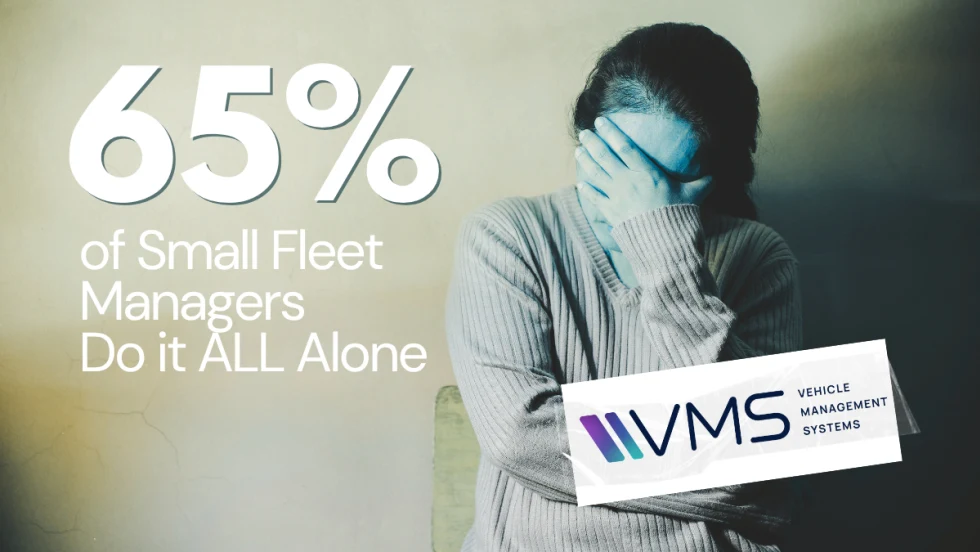
VMS Survey Finds 65% of Small Fleet Managers Run Operations Alone
A new VMS survey shows small fleet managers are stretched thin, with most handling operations solo and eager to adopt digital tools for relief.
Read More →
Tips for Driving Safely on Halloween Night
This video features a reminder from the Connecticut Department of Transportation (DOT) and the Connecticut Police Chiefs Association, urging drivers to prioritize safety this Halloween.
Read More →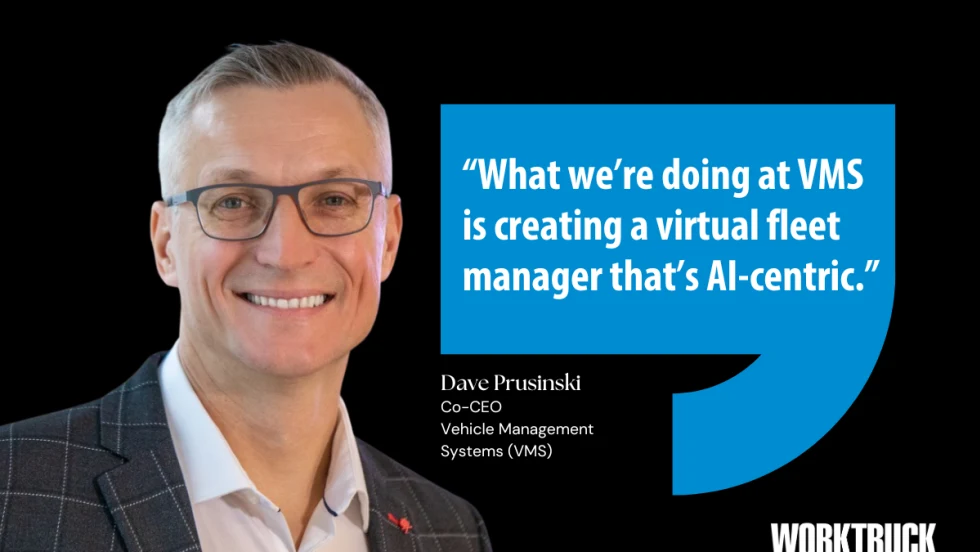
AI, Access, and Uptime: VMS’s Next Chapter with David Prusinski
VMS’s new Co-CEO, David Prusinski, shares how an AI-first approach will give small fleets and repair shops the tools to compete like big players.
Read More →