




Thieves Target Escalade EXT, Maxima Most
The Cadillac Escalade EXT is the newer-model vehicle car thieves are most likely to steal, according to a study released on October 18 by the Insurance Institute for Highway Safety.
The EXT's cousin — the SUV model — was the newer vehicle most likely to be stolen last year, the study showed, but fell to third this year. The Nissan Maxima finished second on the list for vehicles made between 2001-2003.
The institute calculated which newer vehicles are most likely to be stolen by looking at theft claims per 1,000 insured vehicles from model years 2001 to 2003. The Escalade EXT had a claim rate of 20.2. The lowest-ranking vehicles -- the Buick LeSabre, Buick Park Avenue and Ford Taurus station wagon -- had claim rates of 0.5.
The Maxima's theft rate went up after the company began installing expensive, high-intensity headlights as standard equipment in 2002, the institute said. A design change may cut down on theft rates for the Maxima. The 2004 Maxima has headlights that won't fit into earlier models, so the theft rate may go down because thieves won't be trying to steal the headlights to put on older models.
The institute's study is distinguishable from some other stolen vehicle lists because it tracks the most "targeted" newer vehicles, not the stolen vehicles of all vintages, Hazelbaker said.
The Toyota Camry, Honda Accord and Honda Civic routinely rank at the top of those lists.
Most Stolen Vehicles
Theft claims per 1,000 insured, Average payment
Cadillac Escalade EXT 20.2 $14,939
Nissan Maxima 17.0 $4,126
Cadillac Escalade SUV 10.2 $15,703
Dodge Stratus 8.3 $5,483
Dodge Intrepid 7.9 $5,394
Average All Vehicles 2.5 $5,928
Least Stolen Vehicles
Saturn LW station wagon 0.7 $2,075
Buick Rendezvous 0.7 $1,601
Buick Park Avenue 0.5 $5,098
Ford Taurus station wagon 0.5 $4,920
Buick LeSabre 0.5 $3,201
More Small Fleet


Developing Budget-Friendly Driver Safety Programs
From driver training and safety meetings to one-on-one coaching and incentive programs, several small fleets share how they have developed a safety culture with their drivers using low- to no-cost resources.
Read More →
Boosting Last-Mile Fleet Uptime, Safety, and Value with AI Vehicle Inspections
AI-powered inspections are transforming last-mile fleets by replacing manual checks with highly accurate automated scans that detect defects in seconds. By giving fleet operations visibility into the daily condition of their vehicles, you can identify trends over the vehicle’s lifecycle that enable improved procurement decisions, route management, driver training and accountability.
Read More →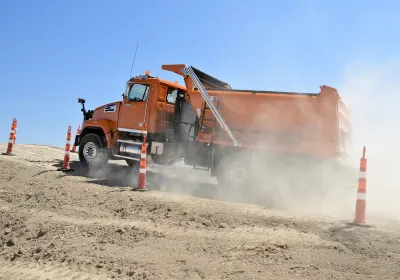

Five Ways Seat Belts Help Prevent Injuries
There are five ways seat belts protect occupants from injuries, according to the Tennessee Department of Safety and Homeland Security.
Read More →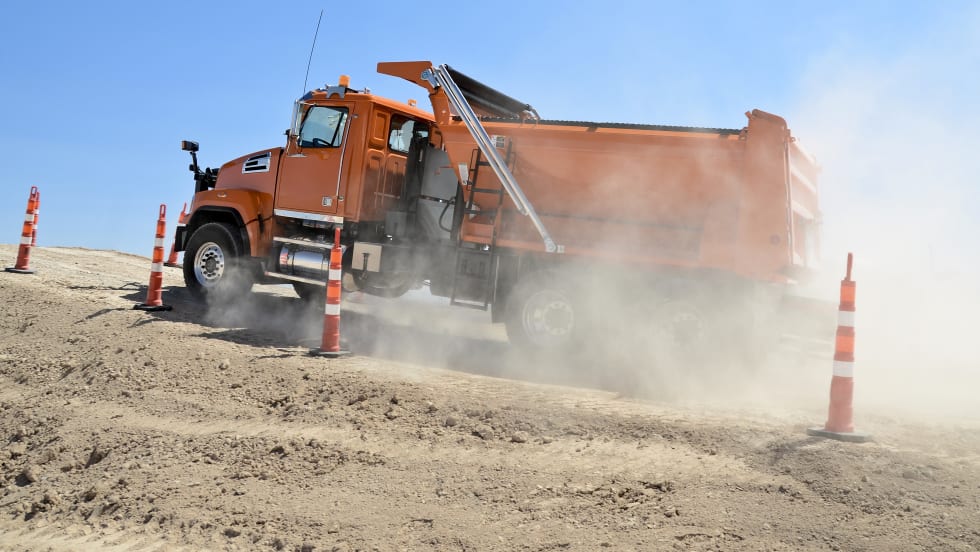
Basic Tracking vs Next Generation Fleet Technology
Fleet software is getting more sophisticated and effective than ever, tying big data models together to transform maintenance, safety, and the value of your existing tech stack. Fleet technology upgrades are undoubtedly an investment, but updated technology can offer a much higher return. Read how upgrading your fleet technology can increase the return on your investment.
Read More →
It’s here: The 2026 Fleet Technology Trends Report
What does AI mean for fleets? Get the answer — and learn other top tech trends.
Read More →
Small Fleets, Big Impact: How Independent Drivers Power Wreaths Across America
Check out how small fleets and independent drivers power Wreaths Across America each December and why their impact matters more than ever.
Read More →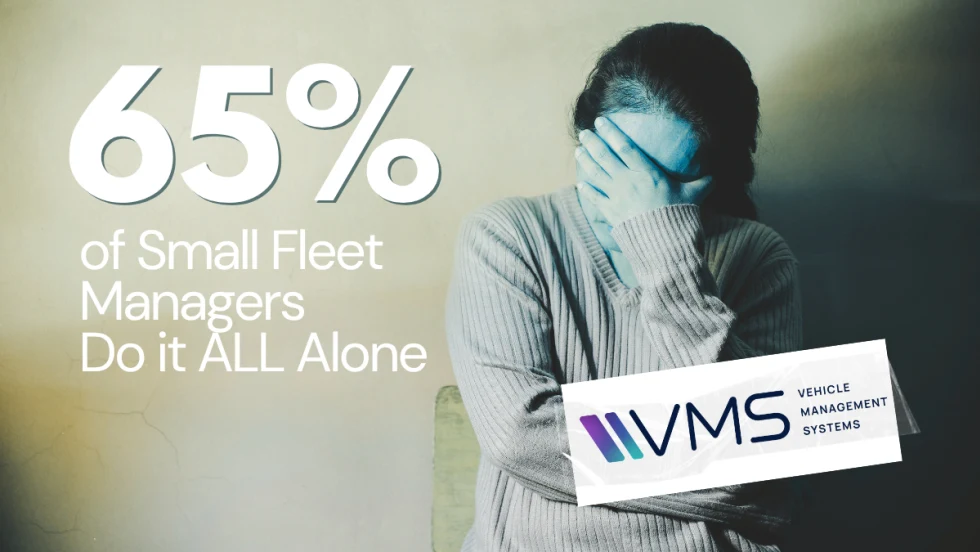
VMS Survey Finds 65% of Small Fleet Managers Run Operations Alone
A new VMS survey shows small fleet managers are stretched thin, with most handling operations solo and eager to adopt digital tools for relief.
Read More →
Tips for Driving Safely on Halloween Night
This video features a reminder from the Connecticut Department of Transportation (DOT) and the Connecticut Police Chiefs Association, urging drivers to prioritize safety this Halloween.
Read More →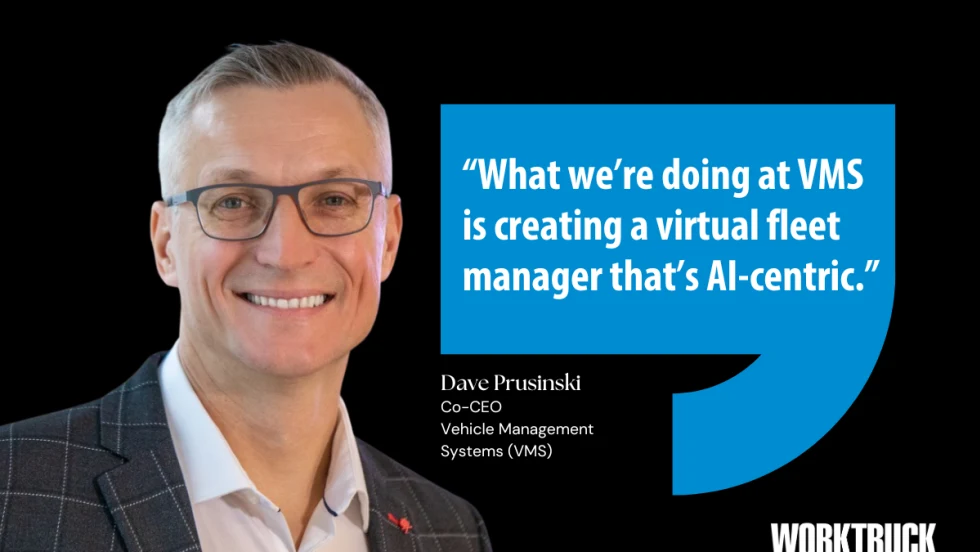
AI, Access, and Uptime: VMS’s Next Chapter with David Prusinski
VMS’s new Co-CEO, David Prusinski, shares how an AI-first approach will give small fleets and repair shops the tools to compete like big players.
Read More →