




The Future of the SUV
Wall Street analysts say we are seeing a “natural migration away from SUVs.” While full-size SUVs will take the biggest hit, crossover SUVs, sporty wagons and larger sedans will fill the gap.
Full-size SUV sales fell 26 percent in the last year, prompting Wall Street analysts like Merrill Lynch's John Casesa to point to the retreat as a sign of the "natural migration away from large SUVs," according to a September 20 CBS MarketWatch online report. In August, in the midst of employee-discount deals, traditional SUV sales plunged by a third. Over the course of the month, SUV retail market share fell from 30.1 percent on Aug. 1 to 25.7 percent, according to the Power Information Network. General Motors saw sales of its Tahoe plummet 36.5 percent and the Suburban off 28 percent. On the last day of the August, the biggest SUVs made up only 9.9 percent of retail SUV segment sales, down from 16.4 percent just one week before. Bob Schnorbus, chief economist at J.D. Power and Associates, said he believes gas prices will need to stay up near those levels to cause an extended impact on sales of these vehicles. If that happens, he said in the report, "consumers may switch -- and there is evidence that this is now happening -- from larger to smaller SUVs. However, the total SUV pie will remain largely intact." In a survey of online car buyers conducted by Autobytel.com, 66 percent said that Katrina and its aftermath have caused them to move away from gas-guzzlers and toward more fuel-efficient vehicles. A study from CNW Marketing that showed 30 percent of new car buyers are considering a hybrid, up from 6.8 percent in July and 2.5 percent at the beginning of the year. "Those who need an SUV will still be buying them," said Art Spinella, president of CNW. "But perhaps some of those who only wanted one because of the 'cool' factor may be going elsewhere." The fact that automakers have responded to diverse customer demands by adding to their new-product menu has also sped up the exodus from the large SUV. "This is the end of the SUV as the hottest vehicle on the market," said Brian Chee, analyst at Autobytel.com. "It's more than fuel economy, though. Automakers are offering a much wider selection, including a full range of crossover SUVs, sporty wagons and larger sedans." Smaller SUVs like the Ford Escape, and wagons offered by Volvo and Audi, and the ever-evolving hybrid lineup have tempted shoppers who may have previously been married to the idea of a truck-based vehicle. "It's not just all about needing an SUV to haul my family anymore," Chee said. "Now it's about getting all the space of the SUV, but with decent gas mileage and without compromising safety." However, the segment will likely remain one of Detroit's biggest draws for the foreseeable future, as minivans and station wagons still have a stigma for some, especially teenagers and college kids, the MarketWatch report states. "While we're seeing some of the fringe SUV buyers move away from the segment," said Mark McCready, analyst at CarsDirect.com, "it's definitely premature to say this is the death of the SUV."
More Small Fleet

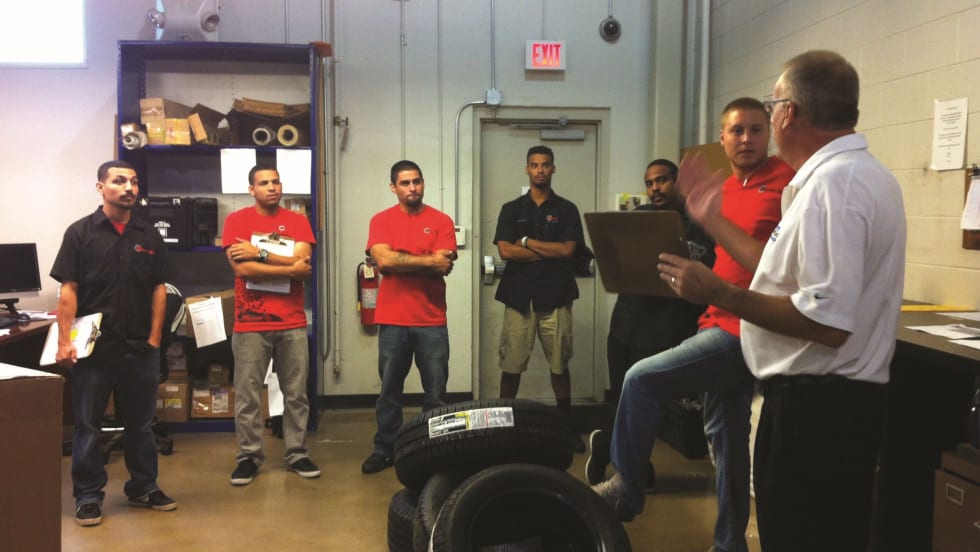
Developing Budget-Friendly Driver Safety Programs
From driver training and safety meetings to one-on-one coaching and incentive programs, several small fleets share how they have developed a safety culture with their drivers using low- to no-cost resources.
Read More →
Boosting Last-Mile Fleet Uptime, Safety, and Value with AI Vehicle Inspections
AI-powered inspections are transforming last-mile fleets by replacing manual checks with highly accurate automated scans that detect defects in seconds. By giving fleet operations visibility into the daily condition of their vehicles, you can identify trends over the vehicle’s lifecycle that enable improved procurement decisions, route management, driver training and accountability.
Read More →
Five Ways Seat Belts Help Prevent Injuries
There are five ways seat belts protect occupants from injuries, according to the Tennessee Department of Safety and Homeland Security.
Read More →
It’s here: The 2026 Fleet Technology Trends Report
What does AI mean for fleets? Get the answer — and learn other top tech trends.
Read More →
Small Fleets, Big Impact: How Independent Drivers Power Wreaths Across America
Check out how small fleets and independent drivers power Wreaths Across America each December and why their impact matters more than ever.
Read More →
VMS Survey Finds 65% of Small Fleet Managers Run Operations Alone
A new VMS survey shows small fleet managers are stretched thin, with most handling operations solo and eager to adopt digital tools for relief.
Read More →
Tips for Driving Safely on Halloween Night
This video features a reminder from the Connecticut Department of Transportation (DOT) and the Connecticut Police Chiefs Association, urging drivers to prioritize safety this Halloween.
Read More →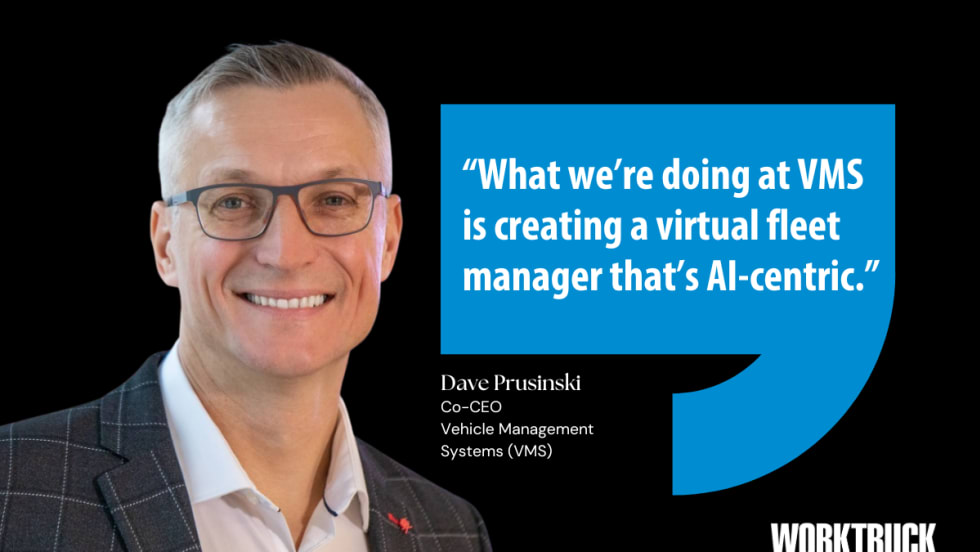
AI, Access, and Uptime: VMS’s Next Chapter with David Prusinski
VMS’s new Co-CEO, David Prusinski, shares how an AI-first approach will give small fleets and repair shops the tools to compete like big players.
Read More →
Fleet Managers Share Winter Prep Tips: It's Never Too Early!
Three fleets share best practices to prep vehicles for winter and prevent downtime when the cold sets in.
Read More →