




The European Parliament Makes Rules on Commercial Vehicles
On April 22, the European Parliament passed amendments to Directive 96/53 governing the dimensions and weights of commercial vehicles.
On April 22, the European Parliament passed amendments to Directive 96/53 governing the dimensions and weights of commercial vehicles.
“The vote by the European Parliament is basically a step in the right direction," said Matthias Wissmann, president of the German Association of the Automotive Industry (VDA). "The changes that have been passed concerning vehicle length allow better aerodynamics, and therefore offer an opportunity to reduce CO2 emissions. However, more steps should now follow.”
In April 2013 the European Commission had proposed modernizing the regulations governing the dimensions of trucks, to make the vehicles even more efficient and safer. There is to be the option of making truck trailers longer and the cabs more aerodynamic, according to the VDA.
“More adjustments are needed to regulate this field in a way that is suitable in actual practice," Wissmann said. "To get new, consumption-reducing technologies into the vehicles, the manufacturers need more construction space and greater flexibility for designing the aerodynamics. Sufficient transitional periods are essential in view of commercial vehicles’ long product cycles. Brussels has to take account of that. We expect the European Council to come up with a smart development to the proposals.”
But the decision by the European Parliament did not bring about clear rules for longer trucks circulating across borders.“This means that we have lost an opportunity to make road freight traffic more efficient," Wissmann said. "Eco-trucks could help to make further fuel savings by being used in cross-border traffic as well. It is incomprehensible that the Parliament is ignoring this opportunity for even more environmentally friendly and efficient road freight.”
The Parliament has also called for the introduction of energy efficiency standards for heavy commercial vehicles, similar to those applying to passenger cars and vans, according to the VDA.
“It seems to have been overlooked that at present these emissions from heavy-duty vehicles cannot yet be recorded on a common basis," Wissmann said. "Trucks are economical by their very nature. In recent years the manufacturers have continued to improve the transport efficiency of commercial vehicles. In long-distance transport, an average consumption of less than one litre of diesel per ton payload over 100 kilometers is now normal.”
The VDA noted that, in addition, the Commission had originally proposed increasing the total permissible weight for trucks and buses with hybrid or electric drive by one ton. Here the Parliament has gone even further and has used a rather loose definition of alternative propulsion systems, without prescribing any particular technology.
“We welcome the fact that the parliamentarians are calling for a technology-neutral approach to alternative drive train technologies, because this is the only way to exploit the potentials of all alternative drive trains and fuels,” Wissmann said.
Originally posted on Automotive Fleet
More Vehicle Research
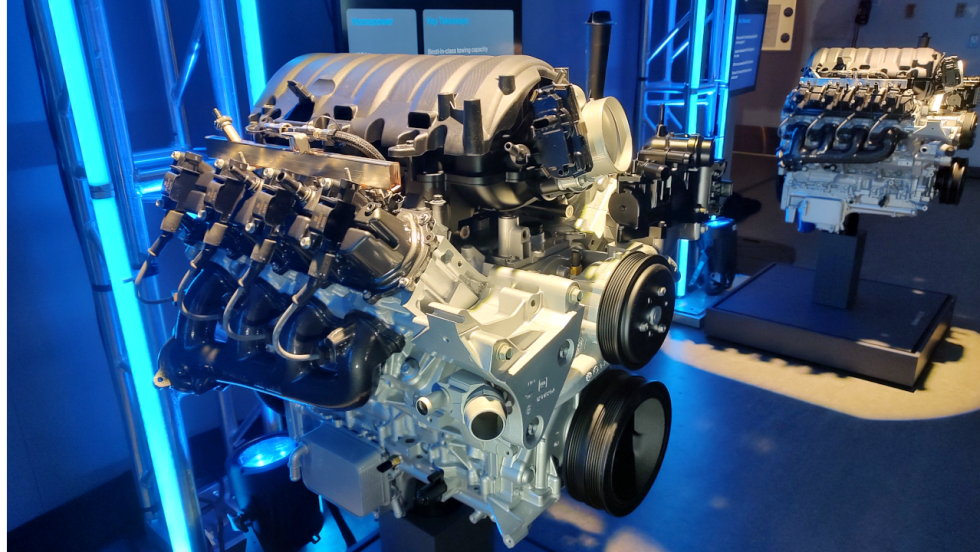
GM Unveils New Sixth-Generation Small Block Engines for 2027 Light-Duty Pickups
General Motors unveiled two new small-block engines, backed by extensive real-world validation and more than 70 years of small-block V8 manufacturing experience, as part of the engine portfolio for the 2027 Chevrolet Silverado 1500 and GMC Sierra 1500.
Read More →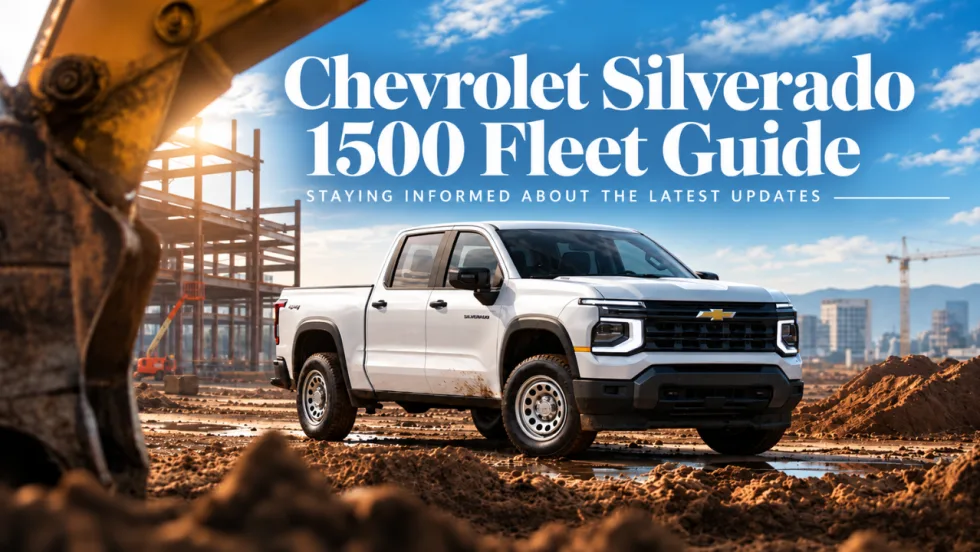
Chevrolet Silverado 1500 Fleet Guide Specs Capability and 2027 Model-Year Updates
The next-generation 2027 Chevrolet Silverado 1500 brings new V-8 engines, updated technology, expanded safety features, and a fleet-focused Work Truck. Here’s what commercial fleets need to know so far.
Read More →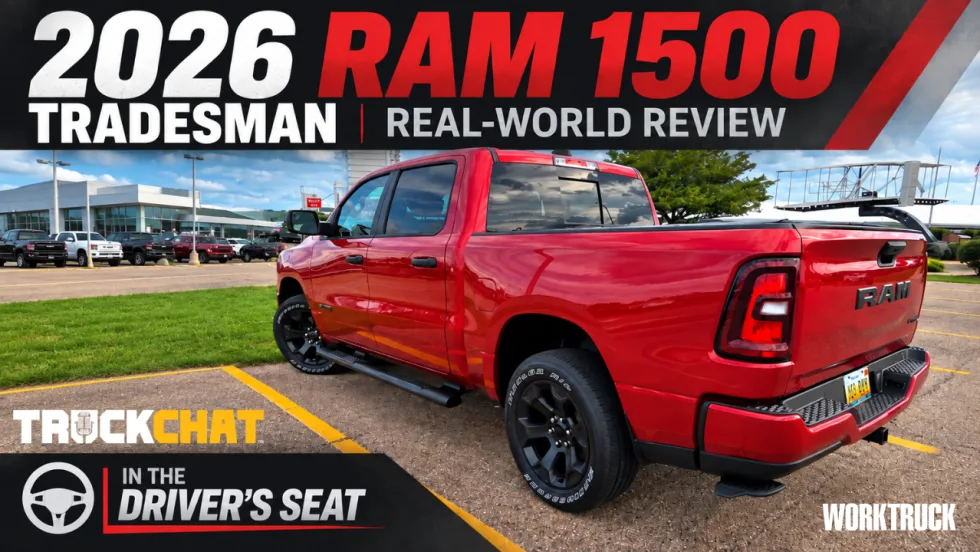
2026 Ram 1500 Tradesman Put to a Real-World Fleet Test
A few days behind the wheel of a 2026 Ram 1500 Tradesman turned into a test of visibility, parking, work-ready features, and even severe-weather driving.
Read More →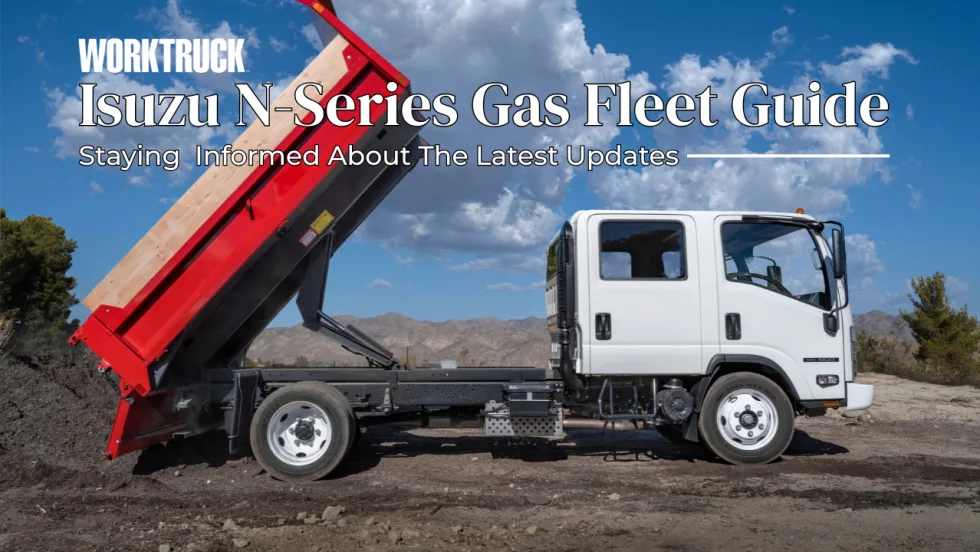
Isuzu N-Series Gas Fleet Guide: Specs, Capability and 2027 Model-Year Updates
Explore Isuzu Truck North America’s N-Series Gas fleet specs, engine performance, GVWR and payload capability, configurations, chassis dimensions, work-focused features, and 2027 model-year information.
Read More →
Ram ProMaster City Fleet Guide Specs Cargo Capacity and 2027 Updates
Work Truck’s Ram ProMaster City Fleet Guide tracks the latest specifications, cargo capability, configurations, fleet technology, pricing, and model-year updates for Ram’s mid-size commercial van.
Read More →
Ford F-150 Fleet Guide Specs Capability and 2026 Model-Year Updates
Explore 2026 Ford F-150 fleet specs, engines, towing and payload capability, configurations, work features, technology, and model-year updates.
Read More →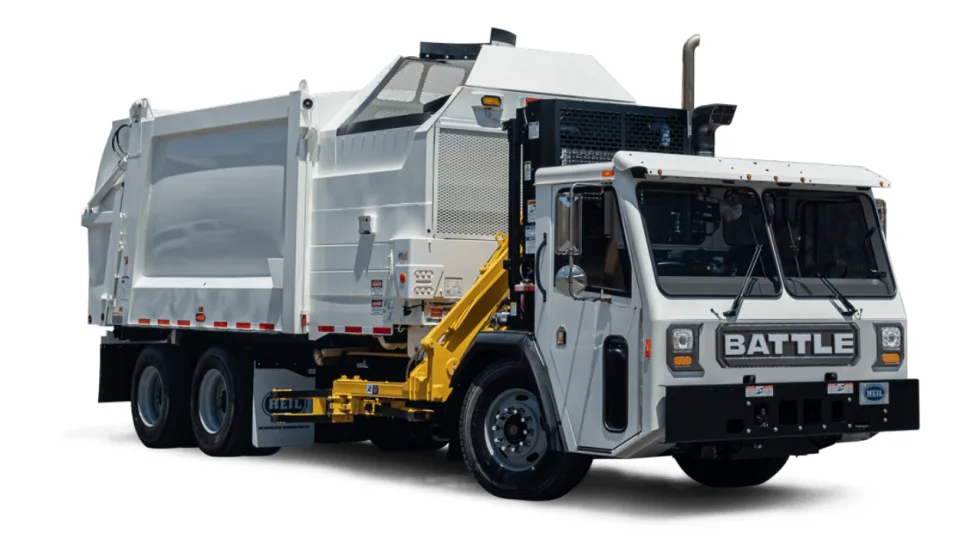
TCI Now Sells & Supports Battle Motors’ Vocational Trucks
Midwest truck dealer Truck Centers, Inc. (TCI) has expanded its transportation solutions with sales and service support for Battle Motors’ heavy-duty vocational trucks at locations in locations in Indiana, Illinois, and Missouri
Read More →
Ram 1500 Fleet Guide Specs, Capability and 2027 Model-Year Updates
Explore always up-to-date Ram 1500 fleet specs, engines, towing and payload capability, configurations, technology, pricing updates, and model-year changes.
Read More →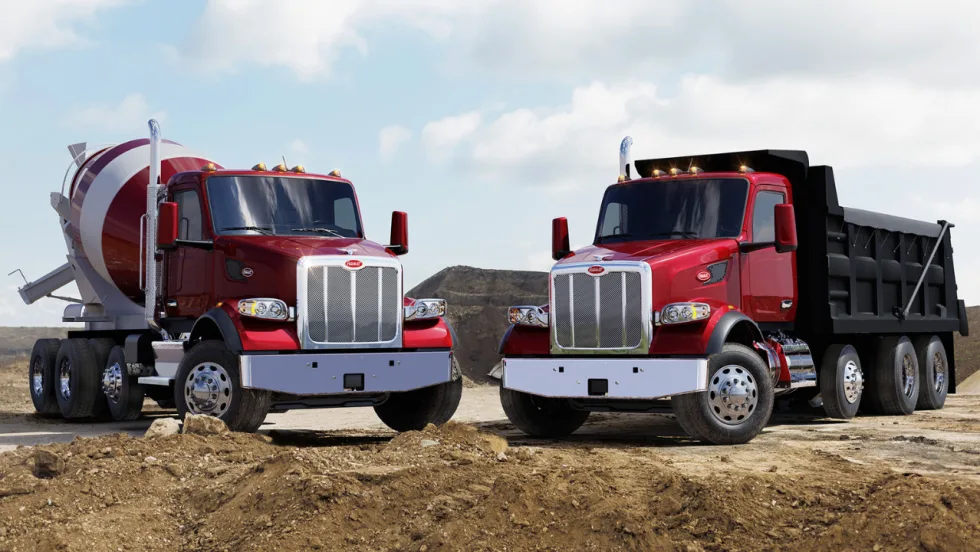
Peterbilt Trucks Equipped with Paccar TX-18 Pro Boost Efficiency for Maryland Fleet
Patuxent Companies is replacing aging trucks with the Peterbilt Model 567 and Model 589, specified with the Paccar TX-18 Pro 18-speed automated transmissions, and is reporting an 8% to 10% improvement in fuel economy.
Read More →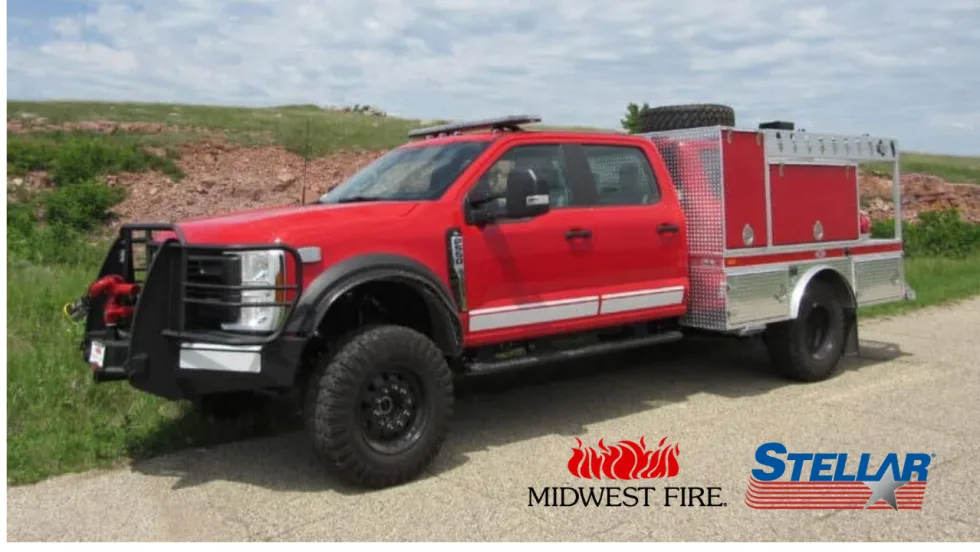
Stellar Expands into Fire Apparatus Market with Acquisition of Midwest Fire
Stellar Industries has acquired Midwest Fire, a custom fire apparatus manufacturer headquartered in Luverne, Minnesota, with nearly four decades of specialized apparatus experience.
Read More →