




Ten Ways to Avoid Car Accidents and Injuries
A National Safety Council study released in May 2001 reported that seat belt use varies widely from state to state and the lack of drivers buckling up continues to be a leading cause of traffic accidents across America. In 1999, experts estimate that 9,500 people died unnecessarily because they were not wearing seat belts. As more and more Americans hit roadways and increase highway congestion this busy summer season, AutoTrader.com, an automotive classifieds marketplace, is reminding consumers to slow down and follow these 10 tips to keep accidents to a minimum. * Pulling into traffic: Stop, Look, Listen. Be aware of blind spots, including those in rear view mirrors and behind windshield pillars or highway road signs. Also, when at an intersection making a right-hand turn, look both directions at least twice before proceeding. Vehicles can appear almost out of nowhere very quickly, so exercise caution when pulling into a busy intersection. * Watch for red light runners. Count to three before entering an intersection on a green light. Look both ways and be sure no one is trying to speed through a yellow light. * Exercise caution when passing semis. Truck drivers have a large blind spot on their right-hand side, so be especially careful when driving next to an 18-wheeler. If you cannot see the truck's side mirrors, the truck driver cannot see you. * Keep at least one hand on the steering wheel. Reduce in-car distractions such as changing radio stations or CDs, cell phones, eating or momentarily taking a hand off the wheel. A gust of wind, pothole or a blown tire could send the vehicle into another lane and cause a serious accident. * Watch for kids. Children and animals have a habit of suddenly popping out from between parked cars and into roadways. If you are driving in a residential neighborhood with kids present, watch carefully and slow down. * Perform engine maintenance regularly. Avoid sudden stalls or other vehicle failure by changing the oil regularly and keeping tires properly inflated. * Scan 12 seconds ahead. Always concentrate on the area where you will be driving in 10-12 seconds. For highway driving, keep positioned far enough from other cars so if someone were to suddenly stop or swerve, you could avoid them. * Look backwards when backing out. Fender benders in parking lots are all too common, so look out for cars leaving parking spaces. Don't depend on mirrors alone -- physically look over your right shoulder while steering to alleviate blind spots mirrors can create. * Do not tailgate. Leave a three-second cushion between you and the car in front of you and begin your journey early enough so you don't speed to make up time. As tempting as it may be when in a hurry, tailgating is a major cause of accidents. * Be courteous to other drivers. No one owns the roads, so treat others with respect and report any suspicious driving activity to authorities. About AutoTrader.com AutoTrader.com has established itself as a major source for consumers to visit when making a new or used vehicle purchase, sale or seeking information such as price comparisons, safety tips, financing, insurance or warranty information. For more information, visit AutoTrader.com.
More Small Fleet

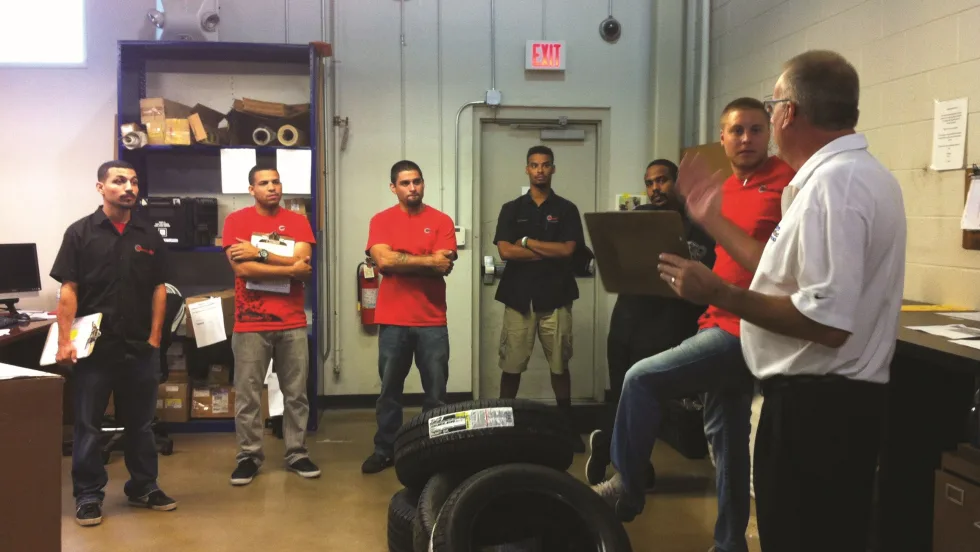
Developing Budget-Friendly Driver Safety Programs
From driver training and safety meetings to one-on-one coaching and incentive programs, several small fleets share how they have developed a safety culture with their drivers using low- to no-cost resources.
Read More →
Boosting Last-Mile Fleet Uptime, Safety, and Value with AI Vehicle Inspections
AI-powered inspections are transforming last-mile fleets by replacing manual checks with highly accurate automated scans that detect defects in seconds. By giving fleet operations visibility into the daily condition of their vehicles, you can identify trends over the vehicle’s lifecycle that enable improved procurement decisions, route management, driver training and accountability.
Read More →

Five Ways Seat Belts Help Prevent Injuries
There are five ways seat belts protect occupants from injuries, according to the Tennessee Department of Safety and Homeland Security.
Read More →
Basic Tracking vs Next Generation Fleet Technology
Fleet software is getting more sophisticated and effective than ever, tying big data models together to transform maintenance, safety, and the value of your existing tech stack. Fleet technology upgrades are undoubtedly an investment, but updated technology can offer a much higher return. Read how upgrading your fleet technology can increase the return on your investment.
Read More →
It’s here: The 2026 Fleet Technology Trends Report
What does AI mean for fleets? Get the answer — and learn other top tech trends.
Read More →
Small Fleets, Big Impact: How Independent Drivers Power Wreaths Across America
Check out how small fleets and independent drivers power Wreaths Across America each December and why their impact matters more than ever.
Read More →
VMS Survey Finds 65% of Small Fleet Managers Run Operations Alone
A new VMS survey shows small fleet managers are stretched thin, with most handling operations solo and eager to adopt digital tools for relief.
Read More →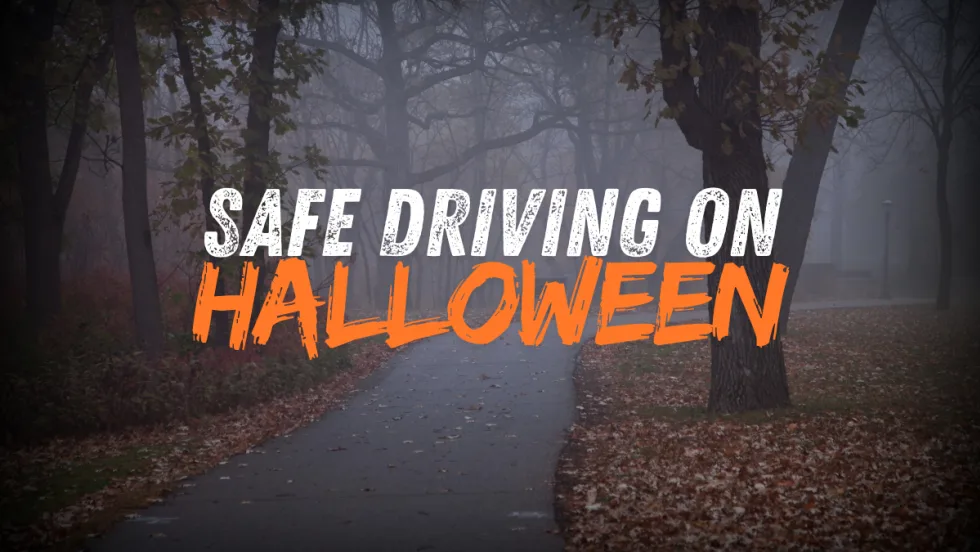
Tips for Driving Safely on Halloween Night
This video features a reminder from the Connecticut Department of Transportation (DOT) and the Connecticut Police Chiefs Association, urging drivers to prioritize safety this Halloween.
Read More →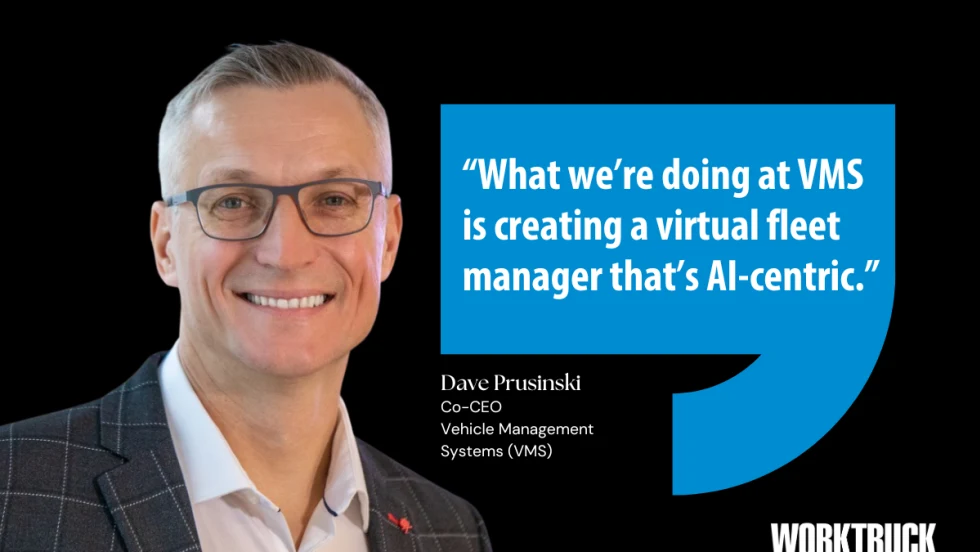
AI, Access, and Uptime: VMS’s Next Chapter with David Prusinski
VMS’s new Co-CEO, David Prusinski, shares how an AI-first approach will give small fleets and repair shops the tools to compete like big players.
Read More →