




TCO for Hybrids Failing to Keep Pace
Only seven of 29 hybrids offered in the 2016 model year showed a lower total cost of ownership than their gasoline counterparts, representing a sharp decline from 2012 levels, according to an analysis by Vincentric.
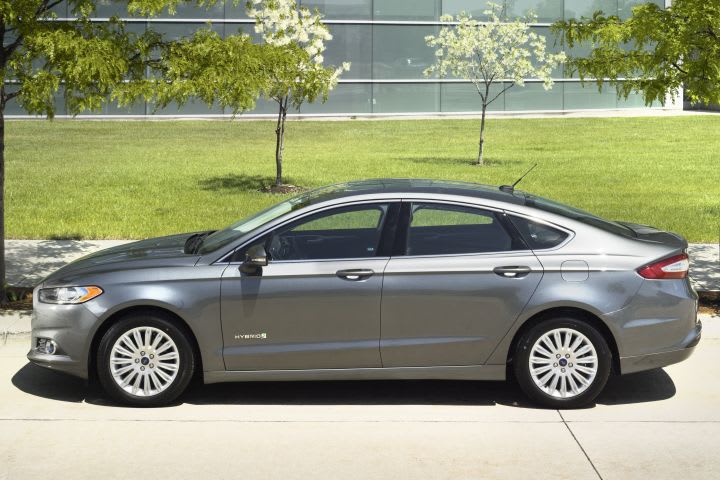
Photo of 2016 Fusion Hybrid courtesy of Ford.
Photo of 2016 Fusion Hybrid courtesy of Ford.
Only seven of 29 hybrids offered in the 2016 model year showed a lower total cost of ownership than their gasoline counterparts, representing a sharp decline from 2012 levels, according to an analysis by Vincentric.
One in four hybrids exhibited a lower TCO (24%) compared to 44% of hybrids studied in 2012, when gasoline prices were significantly higher, Vincentric found. In 2014, 32% of the hybrids studied had a lower TCO.
The seven lower-TCO hybrids included the Audi Q5 Hybrid, Ford Fusion Hybrid, Lexus CT 200h, Lexus ES 300h, Lincoln MKZ Hybrid, Toyota Avalon Hybrid, and Toyota Prius C. Five of these seven depreciated at a lower rate than their gasoline counterparts, according to Vincentric.
The Audi Q5 Hybrid offered the greatest hybrid-over-gasoline-powered-vehicle total cost of ownership savings for a direct hybrid-to-gasoline model comparison, with $4,484 in savings.
Eight of the hybrids offered significant cost savings in fuel use over their gasoline counterparts that require premium fuel. The Lexus NX 300h and the Infiniti Q70 Hybrid exhibited impressive fuel savings of $3,546 and $3,443 respectively.
"There are still instances when a hybrid's cost of ownership savings justifies the hybrid price premium," said David Wurster, Vincentric's president. "Hybrids, however, may be losing their competitive edge due to the decrease in fuel price and improved fuel economy of all-gasoline-powered vehicles. Buyers should analyze individual models and their own driving patterns to decide whether a hybrid or its gas counterpart is the best choice to save them money in the long run."
Fuel prices used in the analysis were based on a weighted average over the previous five months. The report also assumes the vehicle is owned for five years with 15,000 miles driven per year. Vincentric measured cost of ownership using eight different cost factors including depreciation, fees and taxes, financing, fuel, insurance, maintenance, opportunity cost and repairs.
Originally posted on Automotive Fleet
More Small Fleet


Developing Budget-Friendly Driver Safety Programs
From driver training and safety meetings to one-on-one coaching and incentive programs, several small fleets share how they have developed a safety culture with their drivers using low- to no-cost resources.
Read More →
Boosting Last-Mile Fleet Uptime, Safety, and Value with AI Vehicle Inspections
AI-powered inspections are transforming last-mile fleets by replacing manual checks with highly accurate automated scans that detect defects in seconds. By giving fleet operations visibility into the daily condition of their vehicles, you can identify trends over the vehicle’s lifecycle that enable improved procurement decisions, route management, driver training and accountability.
Read More →
Five Ways Seat Belts Help Prevent Injuries
There are five ways seat belts protect occupants from injuries, according to the Tennessee Department of Safety and Homeland Security.
Read More →
It’s here: The 2026 Fleet Technology Trends Report
What does AI mean for fleets? Get the answer — and learn other top tech trends.
Read More →
Small Fleets, Big Impact: How Independent Drivers Power Wreaths Across America
Check out how small fleets and independent drivers power Wreaths Across America each December and why their impact matters more than ever.
Read More →
VMS Survey Finds 65% of Small Fleet Managers Run Operations Alone
A new VMS survey shows small fleet managers are stretched thin, with most handling operations solo and eager to adopt digital tools for relief.
Read More →
Tips for Driving Safely on Halloween Night
This video features a reminder from the Connecticut Department of Transportation (DOT) and the Connecticut Police Chiefs Association, urging drivers to prioritize safety this Halloween.
Read More →
AI, Access, and Uptime: VMS’s Next Chapter with David Prusinski
VMS’s new Co-CEO, David Prusinski, shares how an AI-first approach will give small fleets and repair shops the tools to compete like big players.
Read More →
Fleet Managers Share Winter Prep Tips: It's Never Too Early!
Three fleets share best practices to prep vehicles for winter and prevent downtime when the cold sets in.
Read More →