




Tasmanian 'Smart Car' Can Override Driver Error: Report
Researchers at the University of Tasmania, Australia, claim to have developed the world's first smart car that can override driver error and reduce road accidents, according to Matthew Brace in Sydney.

Researchers at the University of Tasmania, Australia, claim to have developed the world's first smart car that can override driver error and reduce road accidents, according to Matthew Brace in Sydney. "In terms of a comprehensive central processing unit working as an artificial brain to make driving safer, this is a world first," said project leader Dr. Vishy Karri. The "Intelligent Car" has an onboard driver override system, similar to the principle used by Airbus planes, which can negate pilot error. While existing in-car computers assume what the vehicle can and cannot do, the Intelligent Car research is testing those assumptions under all possible circumstances to give a much more realistic and centrally controlled safety analysis. The university's full-size prototype operates with chassis and engine sensors, which feed an artificial neural network, and which in turn calculates what the car should be doing to maximize safety, according to the researchers. If a driver is taking a curve too fast the car overrides the approach pattern by changing brake pressures and reducing the rpm. Eventually the car will have "eyes" to detect road signs and assess if it is travelling in a built-up or country area, the researchers claim. Researchers say the goal is to use this technology in commercial and domestic vehicles. Germany's leading school of mechanical engineering at the University of Straslund has agreed to collaborate on further developing the car, according to the researchers.
More Vehicle Insights
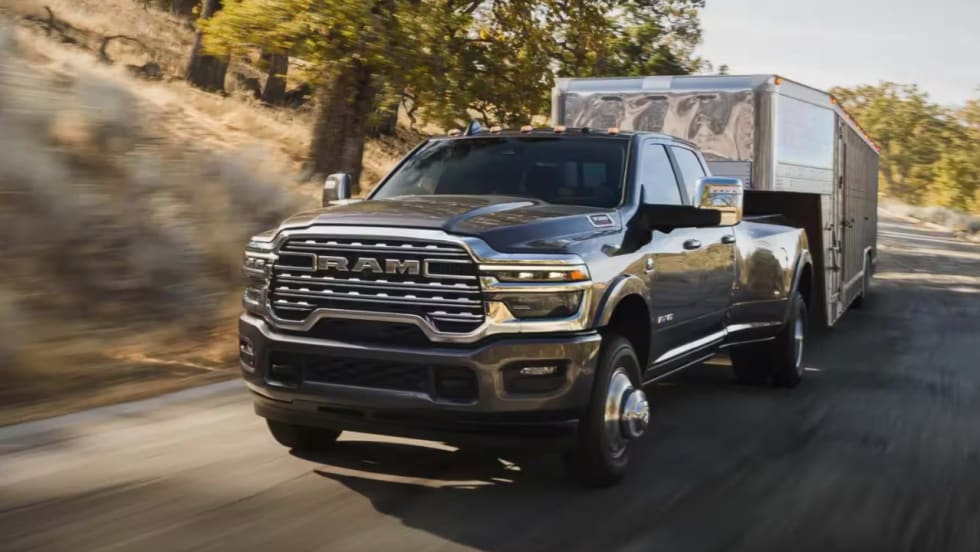
Which Pickup Trucks Last 250,000 Miles? 2026 Rankings Revealed
Which pickup trucks are most likely to reach 250,000 miles? The 2026 iSeeCars study ranks 12 long-lasting models, with Ram, Toyota, GMC, and Ford among the leaders.
Read More →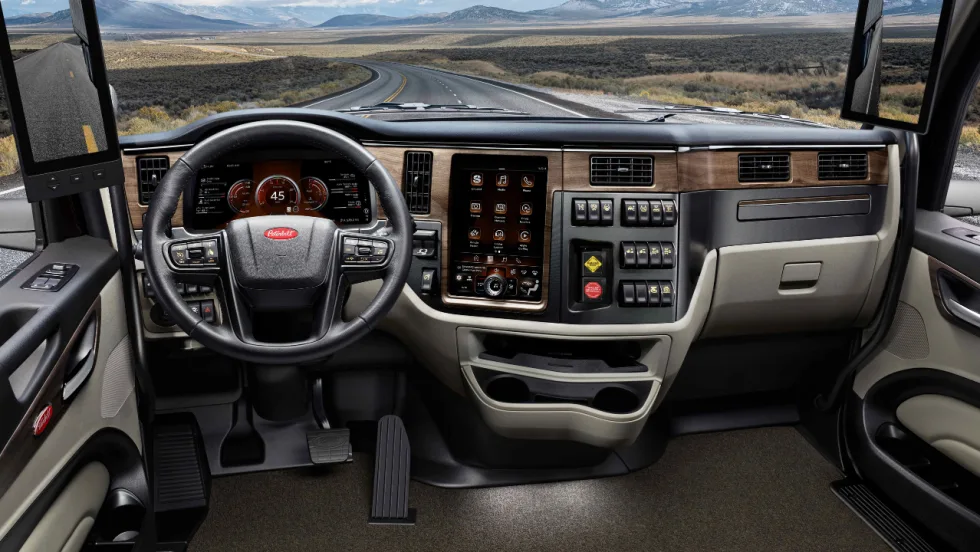
Peterbilt Showcasing Transportation Innovations at ATA MCE
Peterbilt showcased Paccar Connect and exhibited several trucks during the American Trucking Associations (ATA) Management Conference & Exhibition (MCE).
Read More →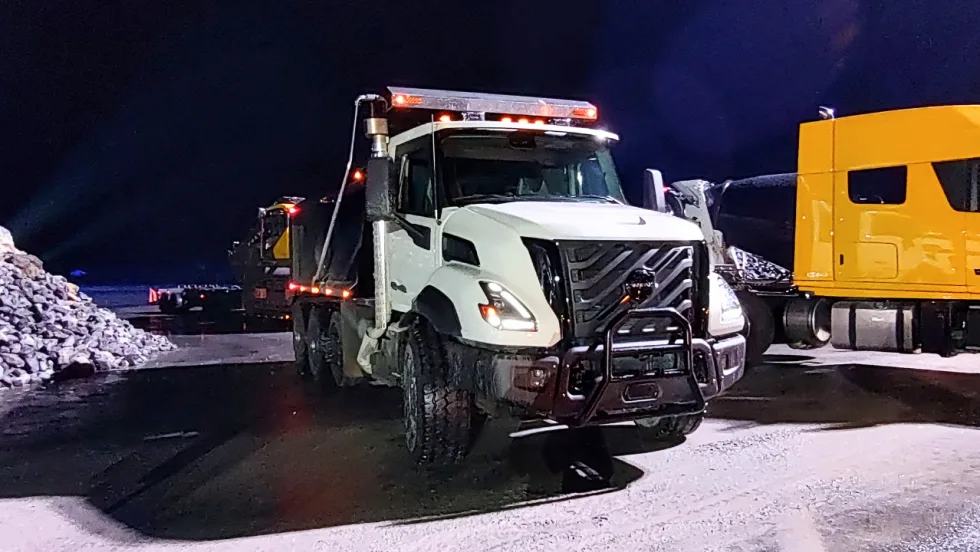
Volvo Unveils New VNX Vocational Truck & Off-Road Capable Tractor
Volvo Trucks has launched the VNX, a new vocational truck designed for on- and off-road use, and available in three variants. It is powered by the D13 platform, which delivers up to 540 horsepower and 1,950 pound-feet of torque and is EPA 2027 compliant.
Read More →

Truckers’ Strike Rumors, Electric Fleet Lessons, and GM’s New Duramax Lead This Week’s News
Truckers’ strike rumors, Republic Services’ electric fleet lessons, GM’s new 8.3L Duramax, van upfitting, Ford Pro used trucks, and more headline this week’s Truck Chat Cheat Sheet.
Read More →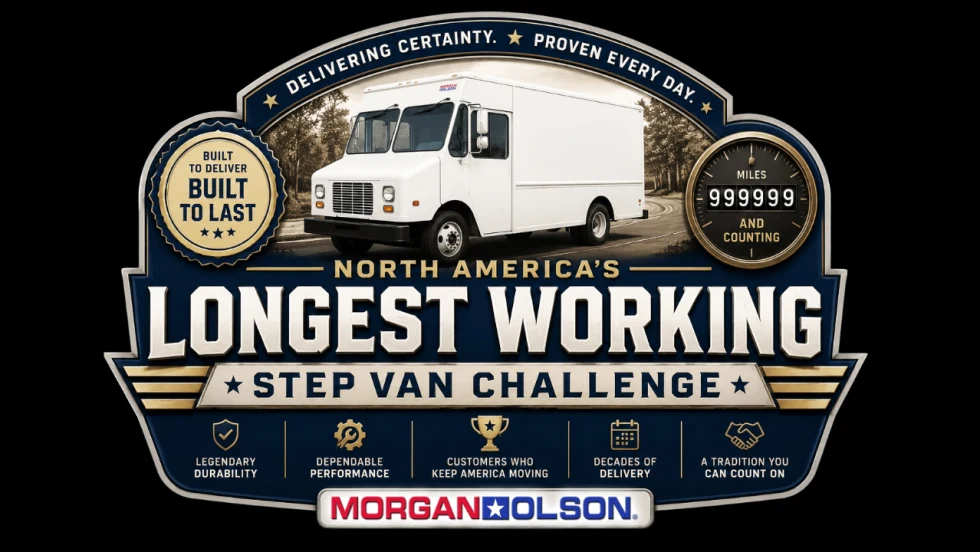
Morgan Olson Launches North America’s Longest Working Step Van Challenge
Morgan Olson has launched North America’s Longest Working Step Van Challenge, a new customer campaign to find the longest-working qualifying Morgan Olson or Grumman step van actively delivering packages for an independent service provider contracted by FedEx.
Read More →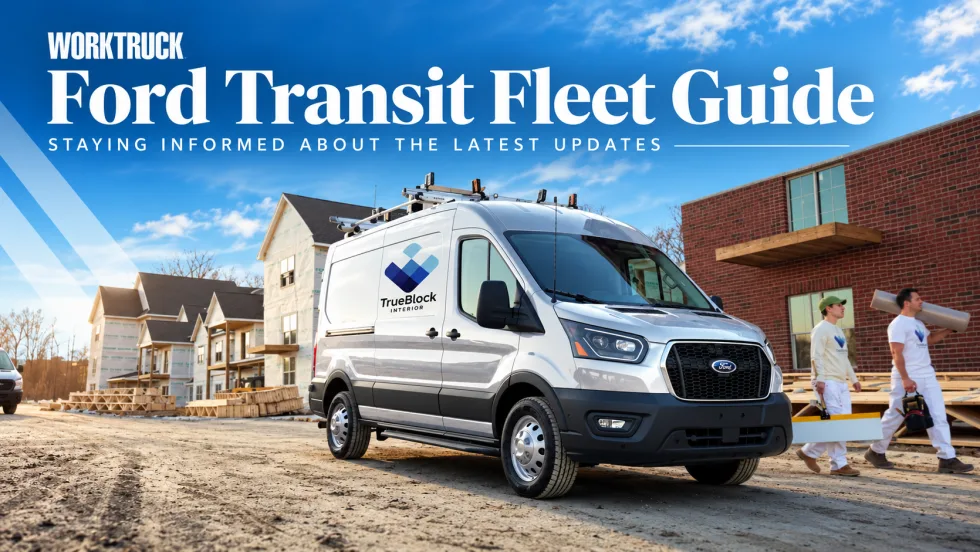
Ford Transit Fleet Guide Specs Capability and 2027 Model-Year Updates
Explore 2027 Ford Transit fleet specs, engines, payload and towing capability, cargo configurations, work features, technology, and model-year updates.
Read More →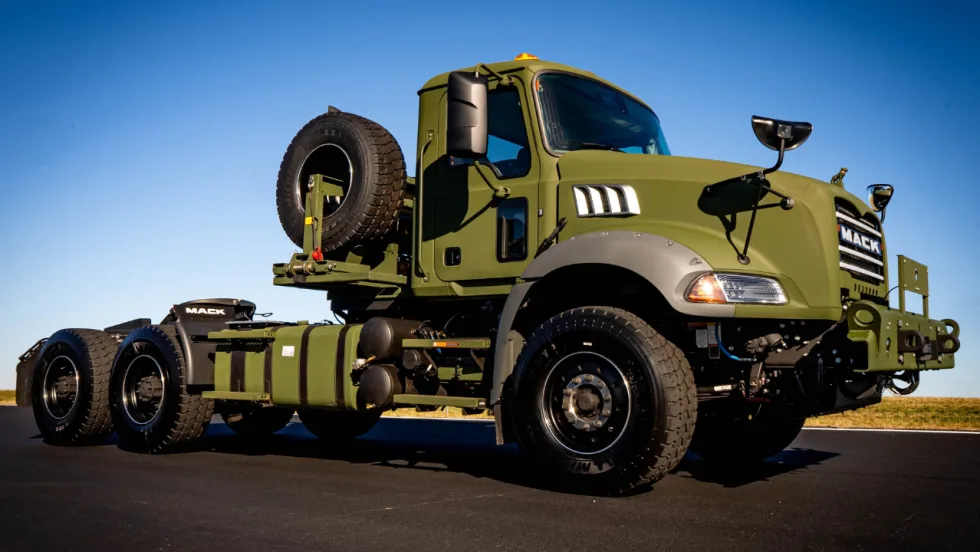
Mack Defense to Spotlight Common Tactical Truck Line Haul Hybrid Tractor During AUSA 2026
Mack Defense was awarded a contract to design, build, and deliver prototype vehicles for the U.S. Army’s Common Tactical Truck (CTT) program. It will show off its line-haul hybrid tractor prototype, based on the Mack Granite, at the 2026 United States Army (AUSA) Annual Meeting and Exposition.
Read More →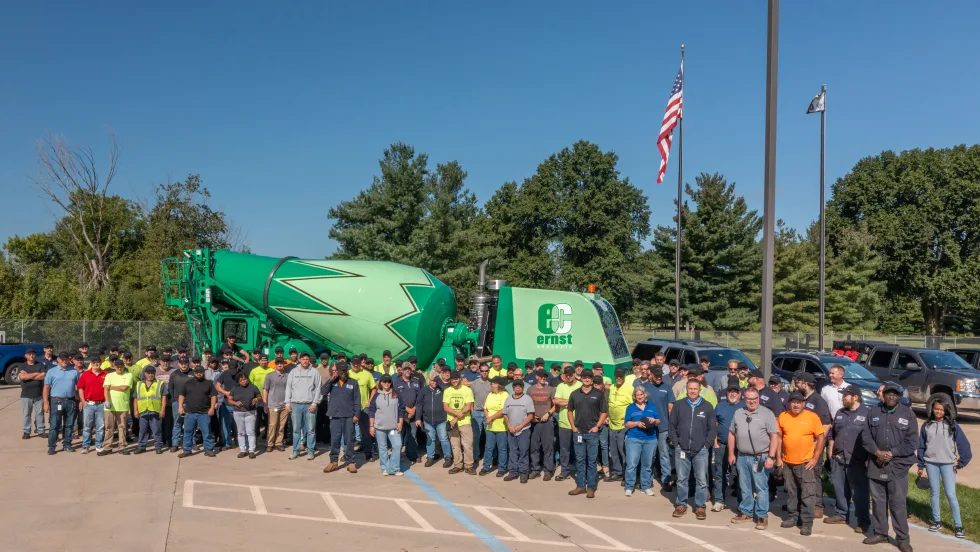
Advance Produces 20,000th Front-Discharge Mixer
Advance celebrated the production of its 20,000th front-discharge mixer, a Commander Series FD4000 mixer. Jack Willard first developed the original Rite-Way Truck in 1964, and then Advance was established in 1972.
Read More →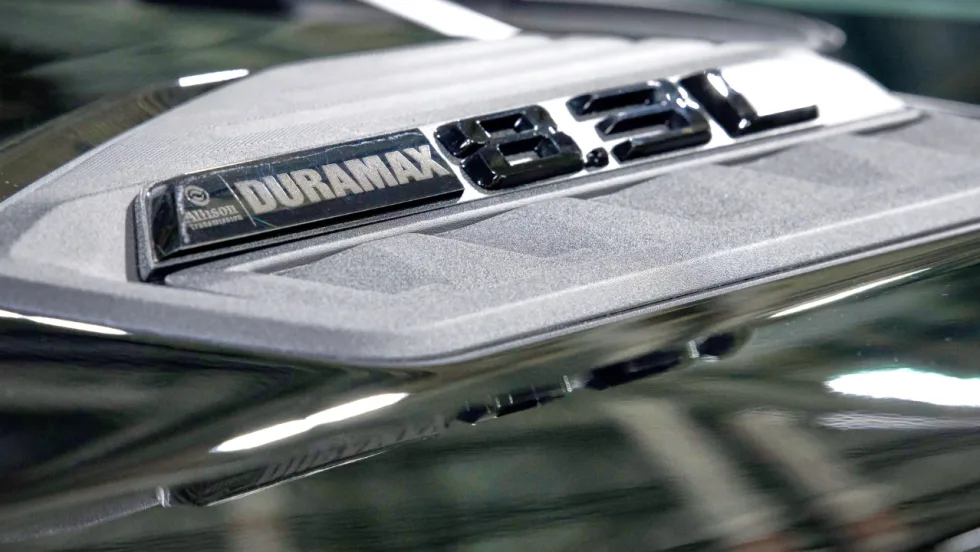
GM Launches Clean Sheet Duramax 8.3L Turbo-Diesel V8 for 2027 HD Pickups
General Motors previewed key updates for its 2027 HD pickup lineup, which will now include a new Duramax 8.3L Turbo-Diesel, electric power steering, and electronic brake boost.
Read More →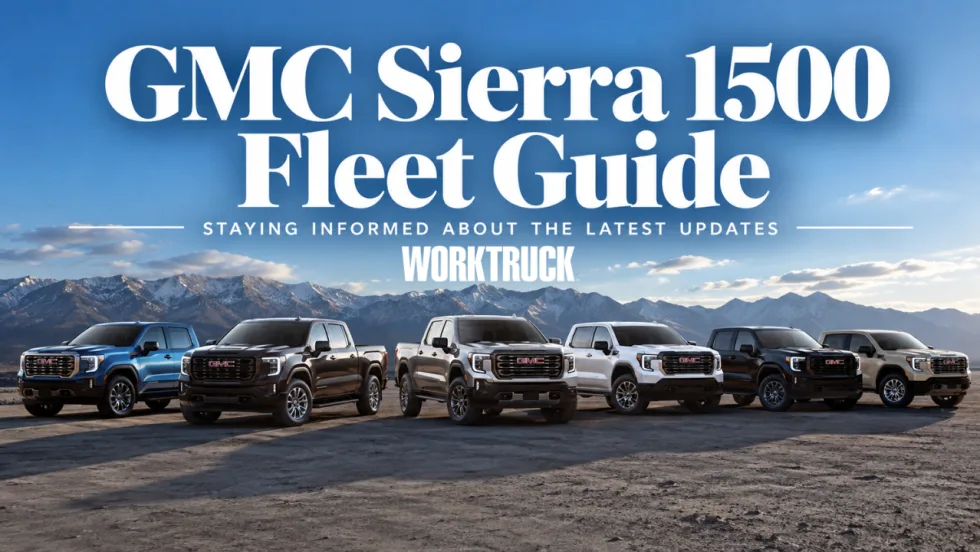
GMC Sierra 1500 Fleet Guide Specs Capability and 2027 Model-Year Updates
The next-generation 2027 GMC Sierra 1500 brings new V-8 engines, more standard safety technology, updated trailering tools, and a work-focused Pro trim. Here’s what fleets need to know.
Read More →