




Learn More: Don’t Let Medium-Duty EVs Catch Your Fleet by Surprise
Survey: EV Trucks Not Meeting Vocational Fleet Demands Yet
A recent Work Truck pulse survey reveals the current selection of electric trucks is still lacking in terms of meeting fleet needs.

Lexi Tucker・Former Senior Editor
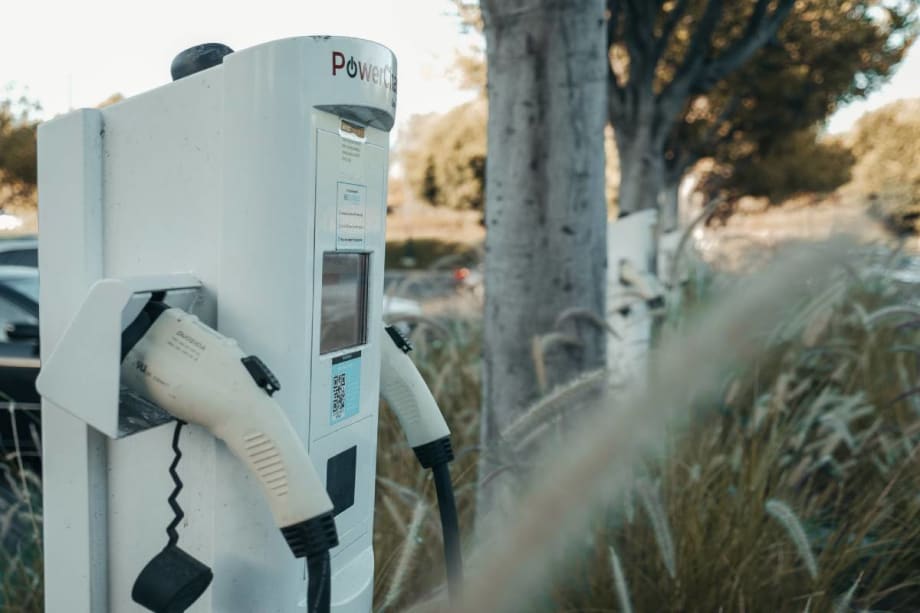
A recent Work Truck pulse survey reveals the current selection of electric trucks is still lacking in terms of meeting fleet needs.
Photo: Pexels/Kindel Media
2 min to read
No matter which side of the fence you’re on, the answers to our latest survey probably won’t come as a surprise: fleet managers still feel there are too many unknowns when it comes to EV trucks to make them a viable selection. Work Truck collected a total of 149 fleet professional responses (143 completed and 6 partially completed surveys) from January 7 to 23, 2022. All respondents manage a fleet that includes light- and/or medium-duty trucks or vans, and currently operate at least one EV truck, van, or piece of equipment.
The top three respondents identified themselves as corporate/executive management (including owner/operator), operations management, and maintenance/shop management. The top three lines of business include federal, state, or local government; construction (mining, logging, concrete, paving, or excavating); and services (HVAC, pest control, landscape, or towing).
Those who responded have the following fleet breakdowns:
Class 1 or 2 – 80%
Class 3 – 69%
Class 4 – 53%
Class 5 – 51%
Class 6 – 57%
Class 7 – 47%
Class 8 – 58%
Most had fleets with 2-50 vehicles (40%), 101-1,000 (24%), and 51-100 or 1,001-3,000 (both 15%).
Some EVs mentioned by name were Daimler, BrightDrop, and Ford Transit vans; E-PTO aerial units; and the Ford F-150 XL Hybrid.
When asked if they felt there are currently enough EV truck options available to vocational fleets, only 11% said yes, while 62% said no. Another 27% stated they didn’t know or simply weren’t sure.
In addition to this, a whopping 71% of those who answered said they didn’t think EV trucks, as they are now, will be capable of accomplishing the same amount of work as traditional vehicles. Only 15% think they are sufficient the way they are now, and 14% said it’s too early to tell.
The biggest hurdles fleet managers face in including EV trucks in their vocational fleets included some of the following:
Acquisition costs
Range/battery limitations
Infrastructure availability
Availability of suitable vehicles
Weather challenges
Another intriguing answer was “how using an EV will affect hauling haz-mat cargo.”
Some concerns brought up related to how charging will occur if there’s a blackout and how the grid will handle an influx in EV truck purchases. One respondent stated they were more interested in hybrids than full-blown electric trucks. Others are waiting to see how other fleets make use of them and are open to using them down the road, but don’t want to be “Guinea pigs.”
More Green Fleet

Fleet Forward Conference Introduces One-Day Passes for 2026
New one-day registration gives fleet professionals the flexibility to attend Tuesday, Wednesday, or Thursday, with passes available for $199 through Sept. 18.
Read More →
CALSTART Rebrands as Catalyst Mobility, Will Combine with Forth in 2027
CALSTART has rebranded as Catalyst Mobility and will combine with Forth at the start of 2027. The new organization said it is poised to become one of the world's largest, strongest, and most impactful clean transportation nonprofits.
Read More →
Electric Truck and Charging Programs to Boost Sustainability at NY & NJ Ports
Together, the Port Authority of New York and New Jersey and CALSTART will electrify drayage and terminal operations serving the East Coast’s busiest container port. A pair of incentive programs totaling $45 million has launched to accelerate adoption of zero-emission drayage trucks and terminal tractors.
Read More →
Xos Hub Surpasses One Gigawatt-Hour of Energy Delivered in the Field
A single Xos Hub has surpassed one gigawatt-hour of energy across more than 33,600 charging sessions in the field, demonstrating performance that supports Xos' expansion across new products and markets.
Read More →
Carrier Transicold Launches All-Electric Vector 8200 TRU for Diesel-Free On-Site Cold Storage
Carrier Transicold’s first engineless multi-temperature TRU helps fresh- and frozen-food fleets add supplemental cold storage capacity during seasonal peaks.
Read More →
Narro Trucks Introduces Electric Utility Vehicle
Narro Trucks officially launched its operations on Aug. 20 and hosted a ride and drive to showcase its electric truck, which will be produced in Virginia.
Read More →
Samsung SDI Takes Full Control of GM Battery JV as Indiana Plant Pivots to Energy Storage
Samsung SDI is taking full control of its Indiana battery plant with GM, marking a major shift from the EV-focused joint venture Charged Fleet first covered in 2023.
Read More →
NWSA Taps CALSTART to Administer Zero-Emission Drayage Assistance Program
CALSTART will provide free technical assistance services to drayage fleets serving the Ports of Seattle and Tacoma and looking to transition to cleaner technologies and help decarbonize freight hubs.
Read More →
EV Fleet Reality Check: What Operators Wish They Knew Before Electrifying Their Work Vans
Electric work truck upfits bring new compatibility questions. Learn how parts availability, OEM guidance, power demands, and route planning can affect fleet performance.
Read More →
Peterbilt Expands Sourcewell Partnership with Electric Vehicle Lineup
Peterbilt Motors Company’s cooperative purchasing agreement with Sourcewell and its Canadian partner, Canoe Procurement Group, now includes including Peterbilt's battery-electric vehicle lineup.
Read More →