




Study Urges Better Fuel Efficiency for SUVs
Auto manufacturers have the know-how to make sport-utility vehicles and light trucks significantly more fuel efficient over the 10 years, a National Academy of Sciences panel said on July 30, despite years of auto industry arguments against tighter restrictions on what has become the most popular category of new vehicles. Making vehicles more fuel efficient would add to their sticker prices, but that cost would be offset by savings on fuel over the lifetime of the vehicle, according to the panel. A small SUV, for instance, could average 26 percent better mileage for an upfront cost of $818, while a large pickup truck could improve its mileage by 47 percent for $1,466. In both cases, the owner would save the same amount over the 14-year life of the vehicle. But a majority of the 13-member panel added that those improvements could lead to more traffic fatalities if manufacturers simply opt to make vehicles smaller and lighter instead of implementing other technologies to achieve the fuel savings. The report, mandated by Congress, is a month late and has been the subject of intense political and industry debate. Its findings were being anticipated by the Bush Administration as a tool for framing national policy on reducing reliance on overseas oil. White House spokesman Ari Fleischer said July 30 that the report "highlights promising technologies and reforms" that could increase fuel efficiency. The panel's report did not set specific fuel efficiency goals. It also did not settle any arguments among those lobbying for and against higher fuel efficiency standards for SUVs, according to congressional staffers. Both sides of the issue drew ammunition from the findings. Environmentalists said their longtime claims were validated by the panel's insistence that automakers know how to get better gas mileage out of SUVs. Classified as light trucks, SUVs and minivans currently are required by the Department of Transportation (DOT) to get an average of 20.7 miles per gallon, while passenger cars must average 27.5 mpg. The panel suggested establishing fuel efficiency standards based on a vehicle's weight. It said that holding the two types of vehicles to different mileage standards "has been stretched well beyond the original purpose," which was to allow for differences between the way families drive cars and farmers or workers drive light trucks.
More Small Fleet


Developing Budget-Friendly Driver Safety Programs
From driver training and safety meetings to one-on-one coaching and incentive programs, several small fleets share how they have developed a safety culture with their drivers using low- to no-cost resources.
Read More →
Boosting Last-Mile Fleet Uptime, Safety, and Value with AI Vehicle Inspections
AI-powered inspections are transforming last-mile fleets by replacing manual checks with highly accurate automated scans that detect defects in seconds. By giving fleet operations visibility into the daily condition of their vehicles, you can identify trends over the vehicle’s lifecycle that enable improved procurement decisions, route management, driver training and accountability.
Read More →

Five Ways Seat Belts Help Prevent Injuries
There are five ways seat belts protect occupants from injuries, according to the Tennessee Department of Safety and Homeland Security.
Read More →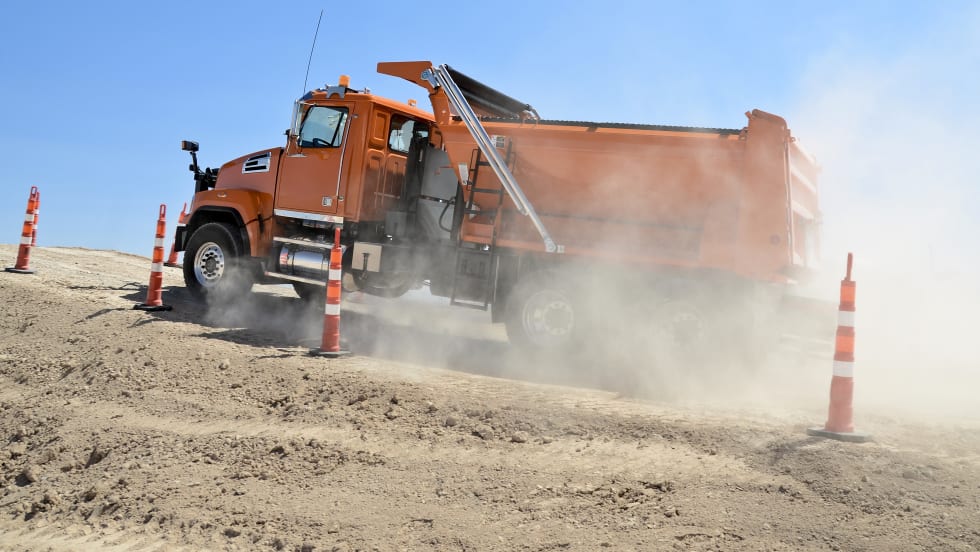
Basic Tracking vs Next Generation Fleet Technology
Fleet software is getting more sophisticated and effective than ever, tying big data models together to transform maintenance, safety, and the value of your existing tech stack. Fleet technology upgrades are undoubtedly an investment, but updated technology can offer a much higher return. Read how upgrading your fleet technology can increase the return on your investment.
Read More →
It’s here: The 2026 Fleet Technology Trends Report
What does AI mean for fleets? Get the answer — and learn other top tech trends.
Read More →
Small Fleets, Big Impact: How Independent Drivers Power Wreaths Across America
Check out how small fleets and independent drivers power Wreaths Across America each December and why their impact matters more than ever.
Read More →
VMS Survey Finds 65% of Small Fleet Managers Run Operations Alone
A new VMS survey shows small fleet managers are stretched thin, with most handling operations solo and eager to adopt digital tools for relief.
Read More →
Tips for Driving Safely on Halloween Night
This video features a reminder from the Connecticut Department of Transportation (DOT) and the Connecticut Police Chiefs Association, urging drivers to prioritize safety this Halloween.
Read More →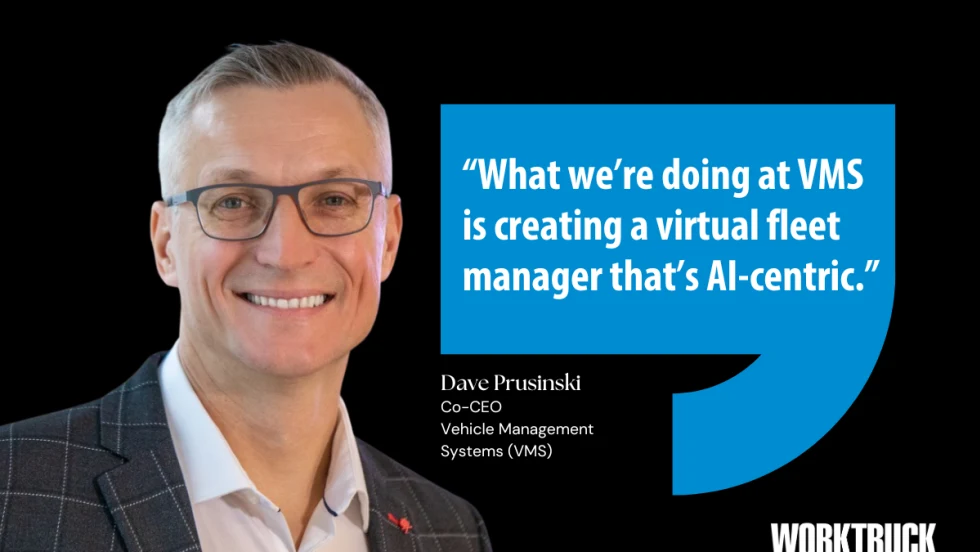
AI, Access, and Uptime: VMS’s Next Chapter with David Prusinski
VMS’s new Co-CEO, David Prusinski, shares how an AI-first approach will give small fleets and repair shops the tools to compete like big players.
Read More →