




Study Suggests Changing Carpool Lanes Into Toll Lanes
A new report recommends giving commuters the option of a congestion-free trip by transforming existing carpool lanes into a network of toll lanes that would guarantee drivers and buses at least one lane moving at the maximum speed limit, at all times, on most urban freeways. Buses and high capacity vans would use the lanes free of charge, while individual motorists would pay a variable toll. Tolls would be debited electronically from smart cards placed on a car’s dashboard, thus doing away with tollbooths and cash transactions. The number of vehicles in the managed lanes would be controlled through variable pricing, ensuring the lanes are free-flowing at all times and providing local transportation agencies with a significant source of income for construction and maintenance projects. In Los Angeles, for example, toll revenues would exceed $900 milllion per year. In Washington, D.C., and San Francisco, toll revenues would surpass $400 million per year. The study concludes the projected toll revenues would enable tax-exempt toll revenue bonds to cover two thirds of the costs of adding the new lanes and interchanges that would be necessary to create a seamless network of high-occupancy toll lanes in most cities. The rest of the funding would come from traditional federal and state transportation programs. "Everyone wins with high occupancy toll networks because they dramatically increase the overall throughput compared with typical carpool lanes and they provide a substantial source of transportation revenue,” said Robert Poole, director of transportation at Reason Foundation and co-author of the report. “Individual drivers get the option of faster, more reliable travel when saving time is of the utmost importance. Mass transit riders get a region-wide express bus service. Taxpayers win because they get a major improvement of the transportation system without the need for new taxes. Even drivers who never use the lanes benefit from less congestion in the regular lanes.” The report, HOT Networks: A New Plan for Congestion Relief and Better Transit, offers maps, detailed descriptions of construction costs, and toll revenue projections for HOT networks in eight of the country’s most congested cities, including Washington D.C., Atlanta, Dallas, Houston, Los Angeles (and Orange County), Miami, Seattle, and San Francisco. HOT lanes are currently used in San Diego, Orange County (CA), and Houston. A recent evaluation of Orange County’s HOT lanes found that although the lanes represent only 33 percent of the freeway’s capacity, they carry 40 percent of the traffic during the busiest peak hours - an indication that HOT lanes are more effective than carpool lanes. Furthermore, vehicles in the toll lanes move at 65 miles per hour, while the other lanes average 10 to 20 miles per hour at rush-hour. "The California HOT lane projects have shown the power of variable pricing to manage traffic flow under peak-demand conditions,” Poole stated. “The lanes have also demonstrated that a significant portion of the public is willing to pay for faster rush-hour trips when it is important to them and that the lanes can provide substantial revenue for transportation agencies.” Robert Poole served on the Bush-Cheney transportation task force in 2000. He has advised the last four presidential administrations on various transportation issues. Co-author Kenneth Orski is president of Urban Mobility Corporation and editor of Innovation Briefs, a transportation newsletter. The full report can be found online at www.rppi.org/ps305.pdf. Reason Foundation is a nonprofit think tank based in Los Angeles.
More Small Fleet

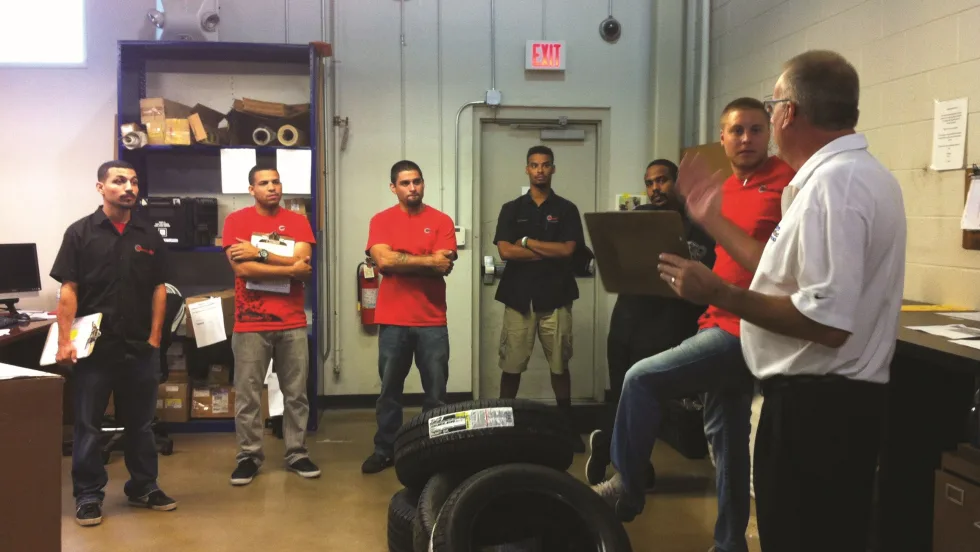
Developing Budget-Friendly Driver Safety Programs
From driver training and safety meetings to one-on-one coaching and incentive programs, several small fleets share how they have developed a safety culture with their drivers using low- to no-cost resources.
Read More →
Boosting Last-Mile Fleet Uptime, Safety, and Value with AI Vehicle Inspections
AI-powered inspections are transforming last-mile fleets by replacing manual checks with highly accurate automated scans that detect defects in seconds. By giving fleet operations visibility into the daily condition of their vehicles, you can identify trends over the vehicle’s lifecycle that enable improved procurement decisions, route management, driver training and accountability.
Read More →

Five Ways Seat Belts Help Prevent Injuries
There are five ways seat belts protect occupants from injuries, according to the Tennessee Department of Safety and Homeland Security.
Read More →
Basic Tracking vs Next Generation Fleet Technology
Fleet software is getting more sophisticated and effective than ever, tying big data models together to transform maintenance, safety, and the value of your existing tech stack. Fleet technology upgrades are undoubtedly an investment, but updated technology can offer a much higher return. Read how upgrading your fleet technology can increase the return on your investment.
Read More →
It’s here: The 2026 Fleet Technology Trends Report
What does AI mean for fleets? Get the answer — and learn other top tech trends.
Read More →
Small Fleets, Big Impact: How Independent Drivers Power Wreaths Across America
Check out how small fleets and independent drivers power Wreaths Across America each December and why their impact matters more than ever.
Read More →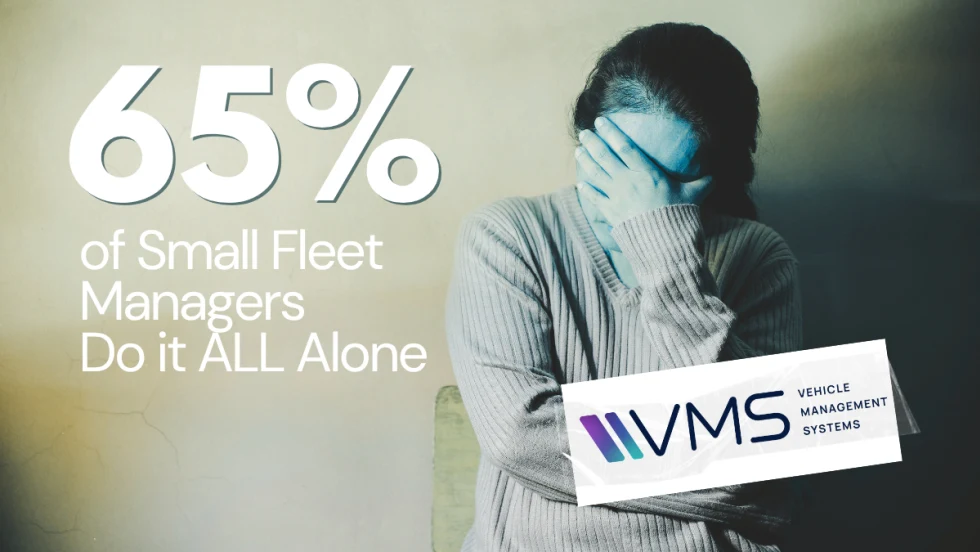
VMS Survey Finds 65% of Small Fleet Managers Run Operations Alone
A new VMS survey shows small fleet managers are stretched thin, with most handling operations solo and eager to adopt digital tools for relief.
Read More →
Tips for Driving Safely on Halloween Night
This video features a reminder from the Connecticut Department of Transportation (DOT) and the Connecticut Police Chiefs Association, urging drivers to prioritize safety this Halloween.
Read More →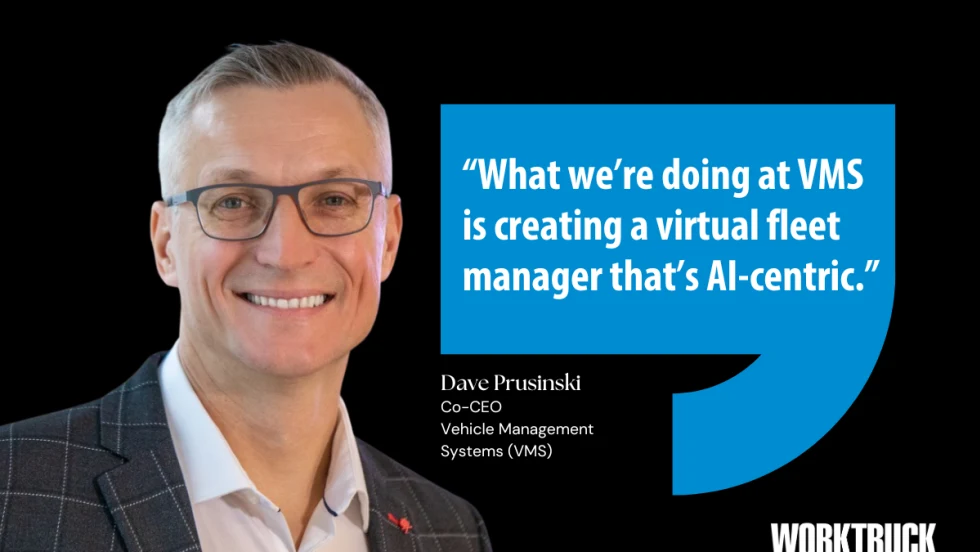
AI, Access, and Uptime: VMS’s Next Chapter with David Prusinski
VMS’s new Co-CEO, David Prusinski, shares how an AI-first approach will give small fleets and repair shops the tools to compete like big players.
Read More →