




Study: Ethanol May Cause More Smog
A recent study argues that ethanol may actually create dirtier air and its increased use may cause ozone levels to rise in the Northeast and Los Angeles.
Switching from gasoline to ethanol may actually create dirtier air and slightly more smog-related deaths, according to a recent study reported on by the Associated Press. The “green alternative fuel” may cause nearly 200 more people to die yearly from respiratory problems if all vehicles in the United States ran on a mostly ethanol fuel blend by 2020, the research concludes. Yet, the study author acknowledges that such a quick and monumental shift to plant-based fuels is next to impossible. Each year, about 4,700 people, according to the study’s author, die from respiratory problems from ozone, the unseen component of smog along with small particles. Ethanol would raise ozone levels, particularly in certain regions of the country, including the Northeast and Los Angeles. The study by Mark Jacobson, a Stanford University civil and environmental engineering professor, troubles some environmentalists. Roland Hwang of the Natural Resources Defense Council, said that ethanol, which cuts one of the key ingredients of smog and produces fewer greenhouse gases, is an important part of reducing all kinds of air pollution. The AP reports that Hwang, an engineer who used to work for California’s state pollution control agency says “There’s nothing in here that means we should throw away ethanol.”
More Small Fleet

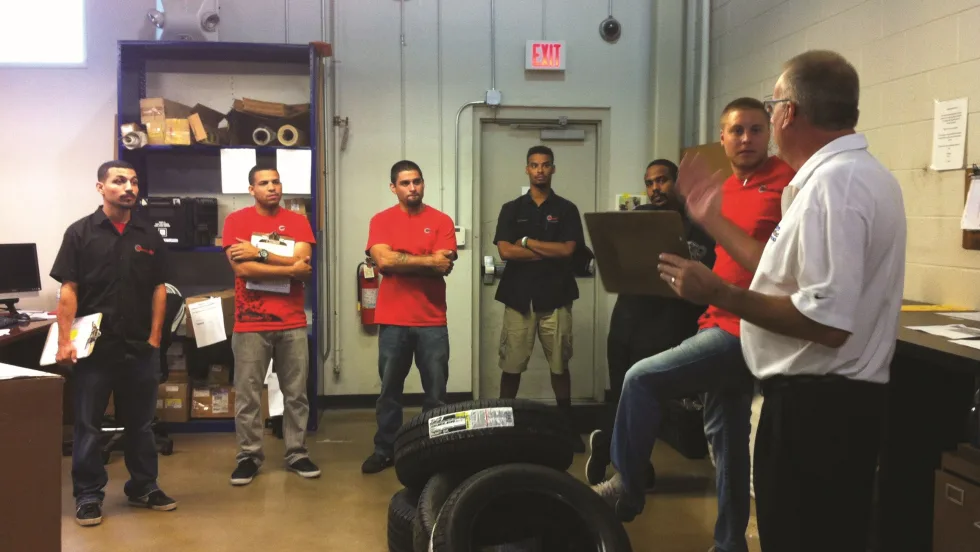
Developing Budget-Friendly Driver Safety Programs
From driver training and safety meetings to one-on-one coaching and incentive programs, several small fleets share how they have developed a safety culture with their drivers using low- to no-cost resources.
Read More →
Boosting Last-Mile Fleet Uptime, Safety, and Value with AI Vehicle Inspections
AI-powered inspections are transforming last-mile fleets by replacing manual checks with highly accurate automated scans that detect defects in seconds. By giving fleet operations visibility into the daily condition of their vehicles, you can identify trends over the vehicle’s lifecycle that enable improved procurement decisions, route management, driver training and accountability.
Read More →

Five Ways Seat Belts Help Prevent Injuries
There are five ways seat belts protect occupants from injuries, according to the Tennessee Department of Safety and Homeland Security.
Read More →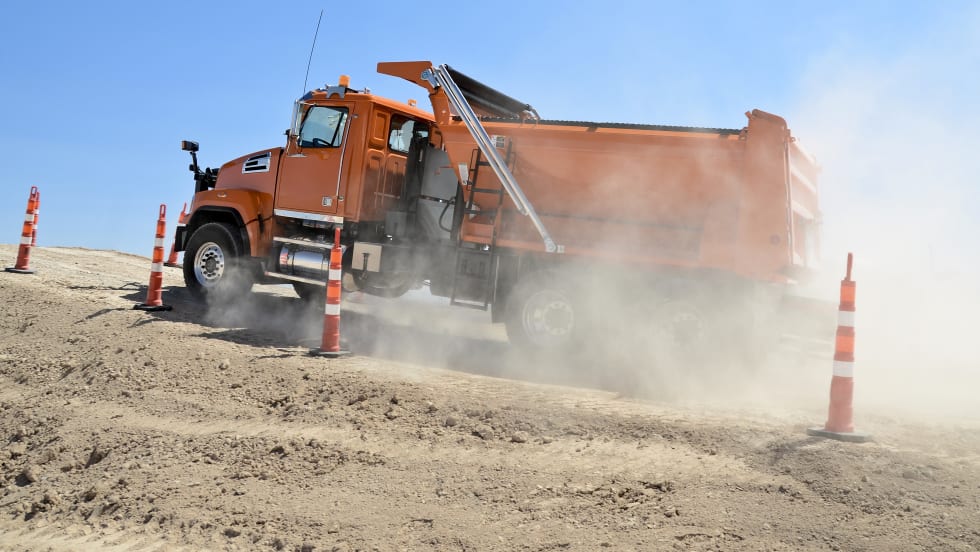
Basic Tracking vs Next Generation Fleet Technology
Fleet software is getting more sophisticated and effective than ever, tying big data models together to transform maintenance, safety, and the value of your existing tech stack. Fleet technology upgrades are undoubtedly an investment, but updated technology can offer a much higher return. Read how upgrading your fleet technology can increase the return on your investment.
Read More →
It’s here: The 2026 Fleet Technology Trends Report
What does AI mean for fleets? Get the answer — and learn other top tech trends.
Read More →
Small Fleets, Big Impact: How Independent Drivers Power Wreaths Across America
Check out how small fleets and independent drivers power Wreaths Across America each December and why their impact matters more than ever.
Read More →
VMS Survey Finds 65% of Small Fleet Managers Run Operations Alone
A new VMS survey shows small fleet managers are stretched thin, with most handling operations solo and eager to adopt digital tools for relief.
Read More →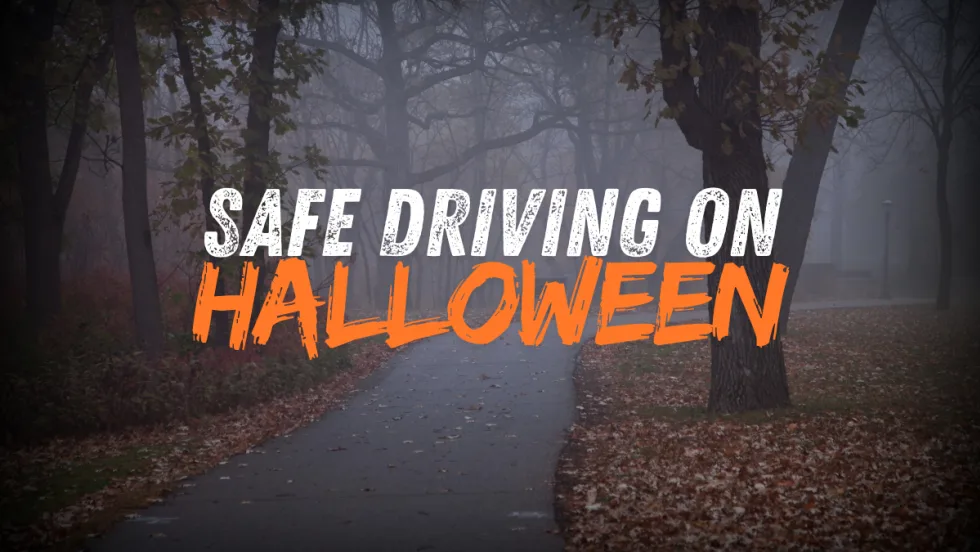
Tips for Driving Safely on Halloween Night
This video features a reminder from the Connecticut Department of Transportation (DOT) and the Connecticut Police Chiefs Association, urging drivers to prioritize safety this Halloween.
Read More →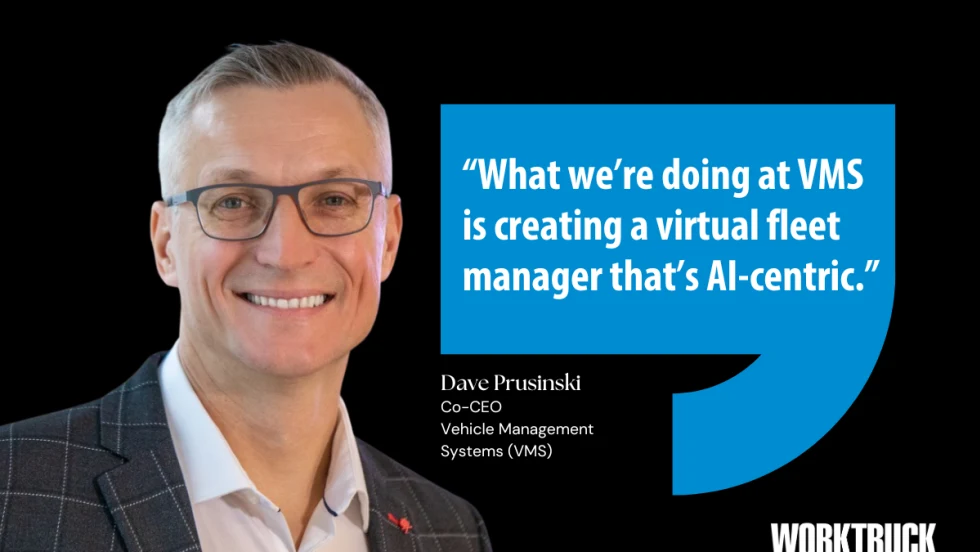
AI, Access, and Uptime: VMS’s Next Chapter with David Prusinski
VMS’s new Co-CEO, David Prusinski, shares how an AI-first approach will give small fleets and repair shops the tools to compete like big players.
Read More →