




Students to Design Vocational Truck of the Future
Imagine a plow that inhales snow and turns it into vapor rather than pushing it aside or a crane truck with an electro-translucent roof that goes from solid to clear at the push of a button for better visibility. Students are making concepts for the future.

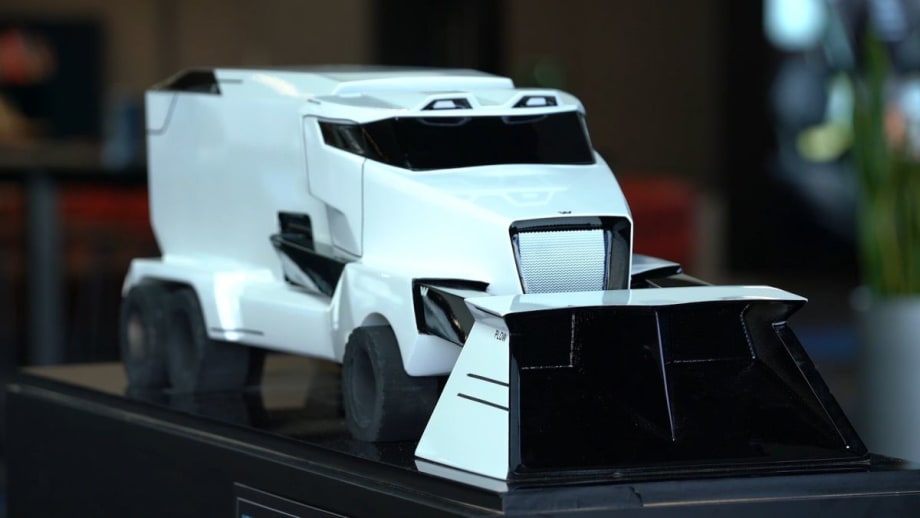
A snow plow design from Western Star's Vocational Truck of the Future design challenge.
Photo: Western Star
A plow that inhales snow and turns it into vapor rather than pushing it aside. A crane truck with an electro-translucent roof that goes from solid to clear at the push of a button for better visibility. A diesel engine that slides out from the engine compartment for easier access.
These can’t be found yet at Daimler Trucks North America (DTNA) dealerships, but they might be someday. These concepts are among the highlights of the Vocational Truck of the Future Challenge, a collaboration between DTNA and ArtCenter College of Design in Los Angeles.
DTNA challenged transportation design students to consider the needs of vocational customers in 2030 and beyond – and design trucks to meet those needs. The winners of the challenge will be announced by DTNA at the 2019 North American Commercial Vehicle Show (NACV).
“Through this challenge, we tapped into some of the brightest minds in transportation design to gain new and different perspectives on what vocational trucks might look like in the future,” said Samantha Parlier, vice president of marketing and strategy for Western Star. “Two of these students have already started internships with DTNA, and we’re excited for the opportunity to incorporate some of this bold thinking into our long-term vocational strategy.”
This wasn’t just an exercise in drawing futuristic-looking vehicles. The students examined the challenges that vocational truck operators face today and considered how the industry and those challenges will evolve.
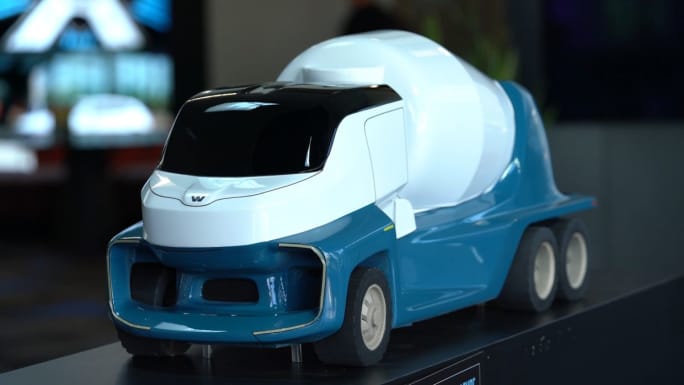
A mixer design from Western Star's Vocational Truck of the Future design challenge.
Photo: Western Star
The students took a deep dive into every aspect of the industry, driver experience and the vehicle, and considered innovations such as connectivity, electrification and more that will continue to impact the transportation industry. They used a variety of quantitative and qualitative research methodologies, including dealer meetings, driver interviews, on-site visits and social media to gain a deep understanding of the industry.
The results are unique and intriguing:
Snowplows clear the roads, but they also throw snow, ice and rocks while creating walls of snow along the sides of the road. One student designed a plow that inhales snow in the front and uses an infrared heating unit to vaporize it. No debris, no walls.
Moveable chutes and drums are a safety hazard for drivers of cement mixers. The solution: all controls for truck and mixer are inside the cab and passenger space is turned into a platform, ladder and hatch for better visibility and safety.
See-through A-pillars on crane trucks for better visibility.
For a greater glimpse of what the future could hold, visit the DTNA booth (#611) at NACV Oct. 28-31, where many of the model trucks will be displayed.
More Vehicle Research
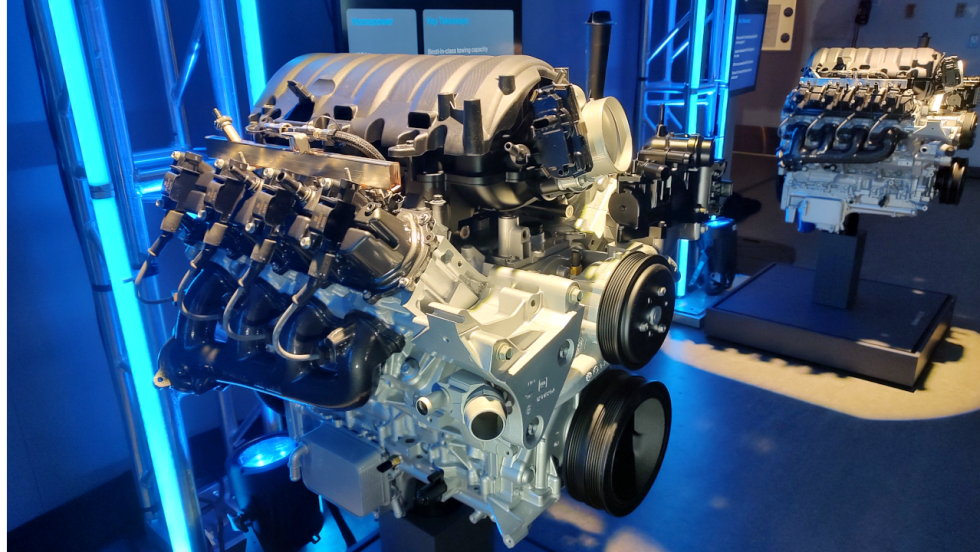
GM Unveils New Sixth-Generation Small Block Engines for 2027 Light-Duty Pickups
General Motors unveiled two new small-block engines, backed by extensive real-world validation and more than 70 years of small-block V8 manufacturing experience, as part of the engine portfolio for the 2027 Chevrolet Silverado 1500 and GMC Sierra 1500.
Read More →
Chevrolet Silverado 1500 Fleet Guide Specs Capability and 2027 Model-Year Updates
The next-generation 2027 Chevrolet Silverado 1500 brings new V-8 engines, updated technology, expanded safety features, and a fleet-focused Work Truck. Here’s what commercial fleets need to know so far.
Read More →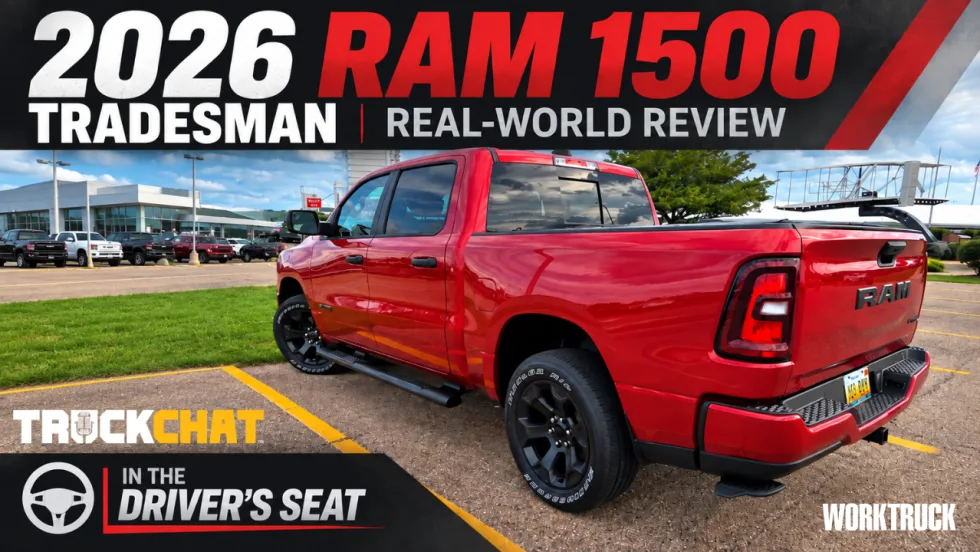
2026 Ram 1500 Tradesman Put to a Real-World Fleet Test
A few days behind the wheel of a 2026 Ram 1500 Tradesman turned into a test of visibility, parking, work-ready features, and even severe-weather driving.
Read More →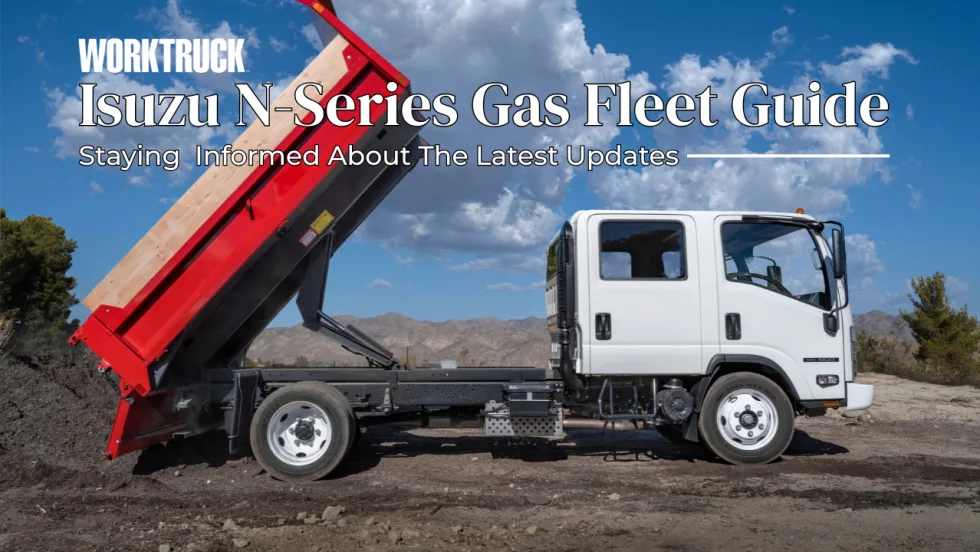
Isuzu N-Series Gas Fleet Guide: Specs, Capability and 2027 Model-Year Updates
Explore Isuzu Truck North America’s N-Series Gas fleet specs, engine performance, GVWR and payload capability, configurations, chassis dimensions, work-focused features, and 2027 model-year information.
Read More →
Ram ProMaster City Fleet Guide Specs Cargo Capacity and 2027 Updates
Work Truck’s Ram ProMaster City Fleet Guide tracks the latest specifications, cargo capability, configurations, fleet technology, pricing, and model-year updates for Ram’s mid-size commercial van.
Read More →
Ford F-150 Fleet Guide Specs Capability and 2026 Model-Year Updates
Explore 2026 Ford F-150 fleet specs, engines, towing and payload capability, configurations, work features, technology, and model-year updates.
Read More →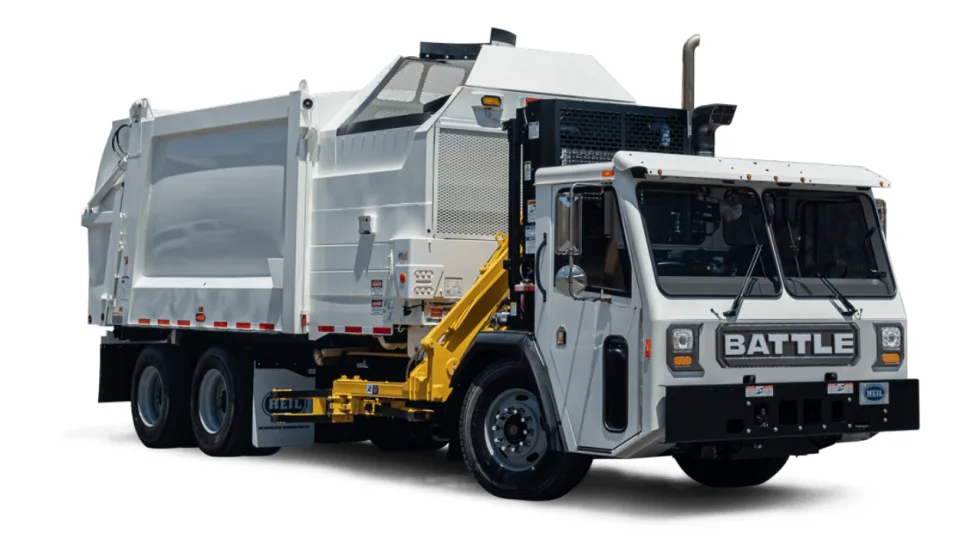
TCI Now Sells & Supports Battle Motors’ Vocational Trucks
Midwest truck dealer Truck Centers, Inc. (TCI) has expanded its transportation solutions with sales and service support for Battle Motors’ heavy-duty vocational trucks at locations in locations in Indiana, Illinois, and Missouri
Read More →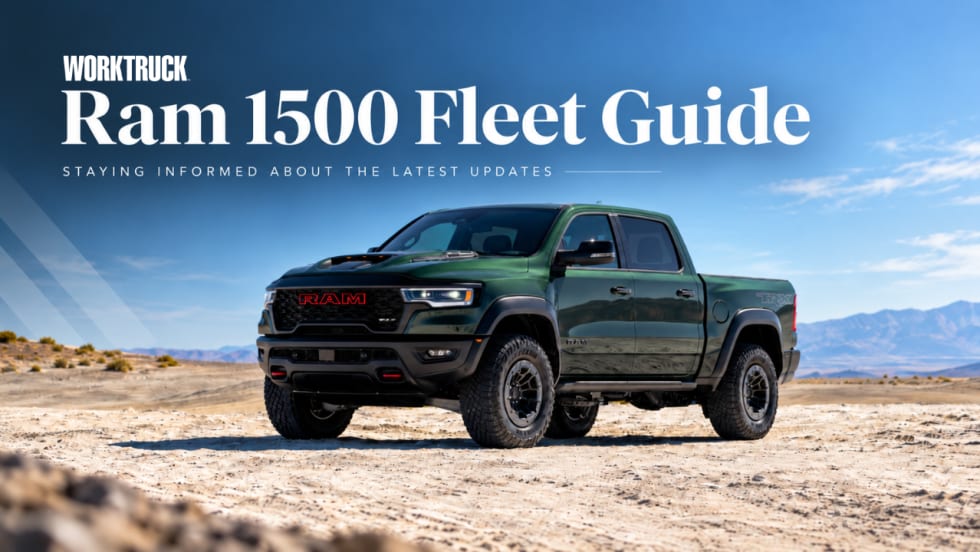
Ram 1500 Fleet Guide Specs, Capability and 2027 Model-Year Updates
Explore always up-to-date Ram 1500 fleet specs, engines, towing and payload capability, configurations, technology, pricing updates, and model-year changes.
Read More →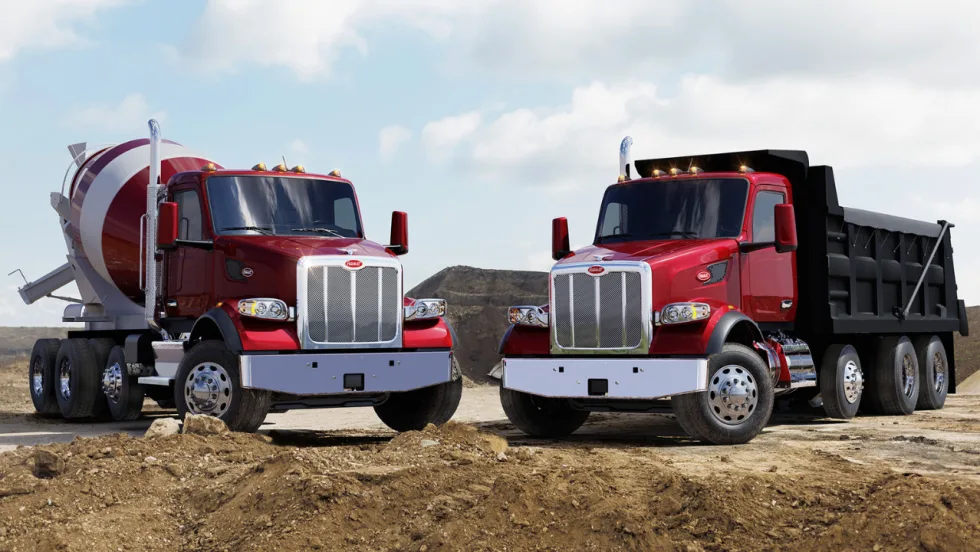
Peterbilt Trucks Equipped with Paccar TX-18 Pro Boost Efficiency for Maryland Fleet
Patuxent Companies is replacing aging trucks with the Peterbilt Model 567 and Model 589, specified with the Paccar TX-18 Pro 18-speed automated transmissions, and is reporting an 8% to 10% improvement in fuel economy.
Read More →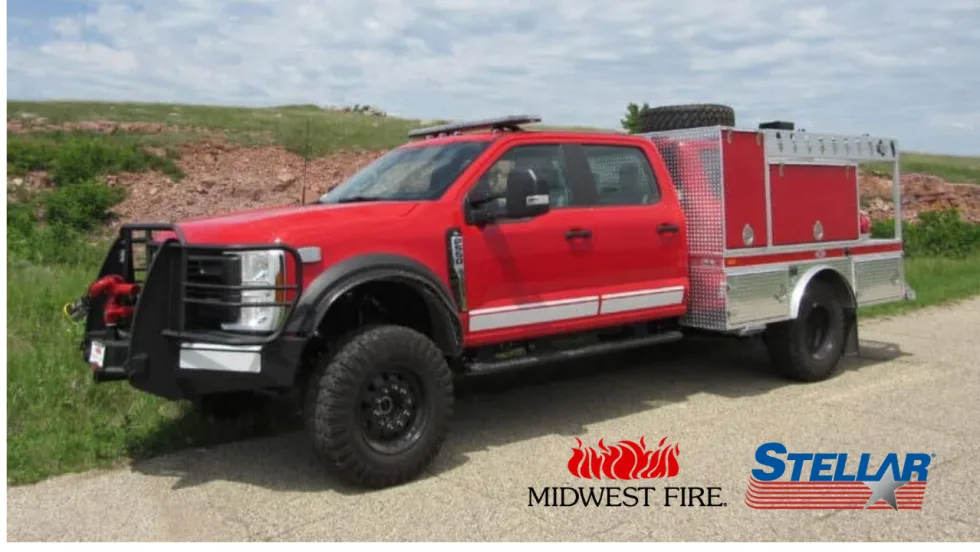
Stellar Expands into Fire Apparatus Market with Acquisition of Midwest Fire
Stellar Industries has acquired Midwest Fire, a custom fire apparatus manufacturer headquartered in Luverne, Minnesota, with nearly four decades of specialized apparatus experience.
Read More →