




State Attorneys General to Seek Stricter Federal Emissions Laws
Signaling the states may take an increasingly activist stance on global warming, 11 state attorneys general sent a letter to President Bush July 17 urging more federal actions to limit so-called greenhouse-gas emissions, according to a Wall Street Journal story by Russell Gold. The letter warned that if the federal government doesn't take steps to stem emissions, states will rush to fill this "regulatory void." At the least, this could create a complex range of state regulatory efforts that would heighten uncertainty and complexity for businesses, according to the Journal. At the most, the states signaled they are reviewing possible litigation. "There is a consensus now ... the earth is heating up," Massachusetts Attorney General Thomas F. Reilly said. "This is serious enough that it requires federal action. We are hoping that frankly they come to their senses." In an interview with the Journal, Reilly declined to elaborate on what litigation is planned if the Bush administration doesn't respond. In addition to Reilly, the attorneys general from the rest of New England as well as Alaska, California, Maryland, New Jersey and New York signed the letter. All are Democrats, except for New Jersey Attorney General David Samson, who is unaffiliated. The Bush administration in June proposed voluntary ways for industry to cut down on greenhouse-gas emissions. A White House spokesman said mandatory reductions would cause severe economic damage by driving up electricity prices.
More Small Fleet

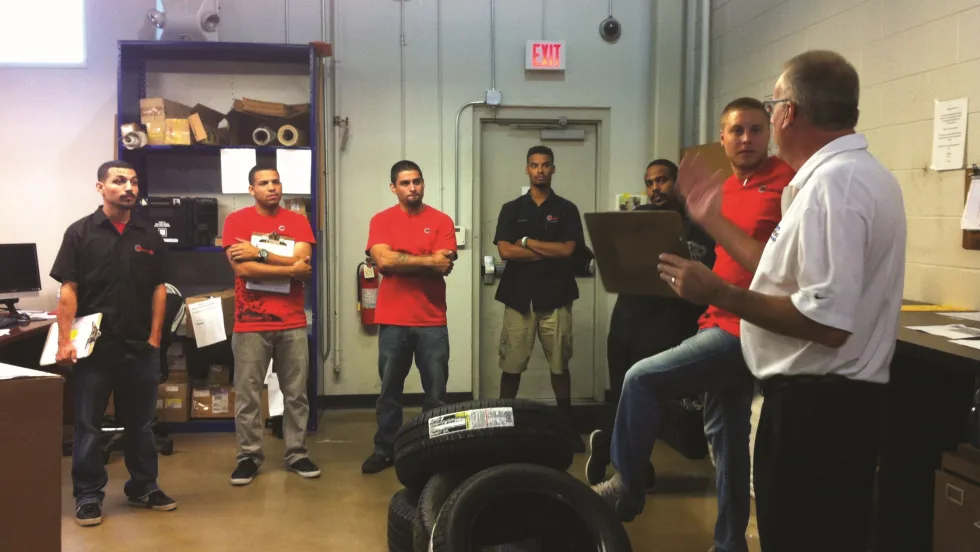
Developing Budget-Friendly Driver Safety Programs
From driver training and safety meetings to one-on-one coaching and incentive programs, several small fleets share how they have developed a safety culture with their drivers using low- to no-cost resources.
Read More →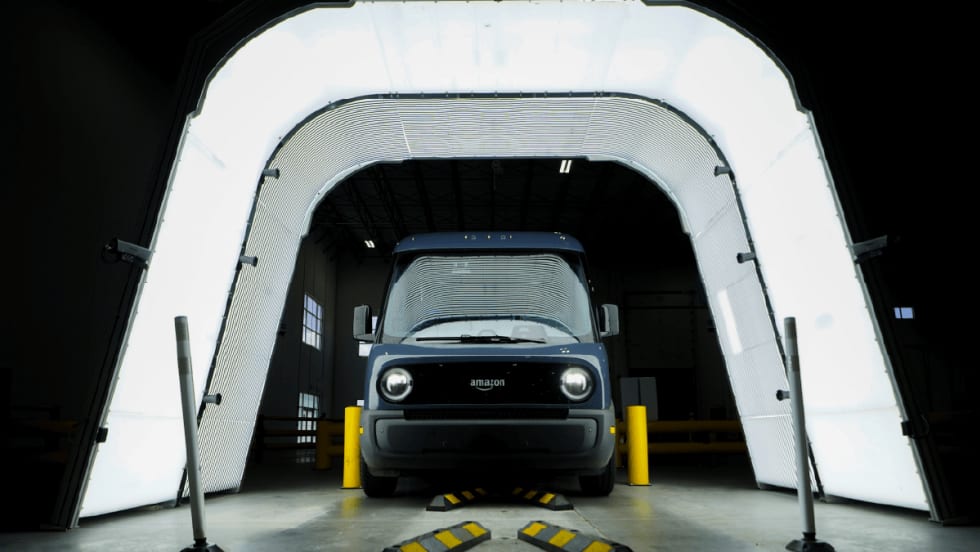
Boosting Last-Mile Fleet Uptime, Safety, and Value with AI Vehicle Inspections
AI-powered inspections are transforming last-mile fleets by replacing manual checks with highly accurate automated scans that detect defects in seconds. By giving fleet operations visibility into the daily condition of their vehicles, you can identify trends over the vehicle’s lifecycle that enable improved procurement decisions, route management, driver training and accountability.
Read More →
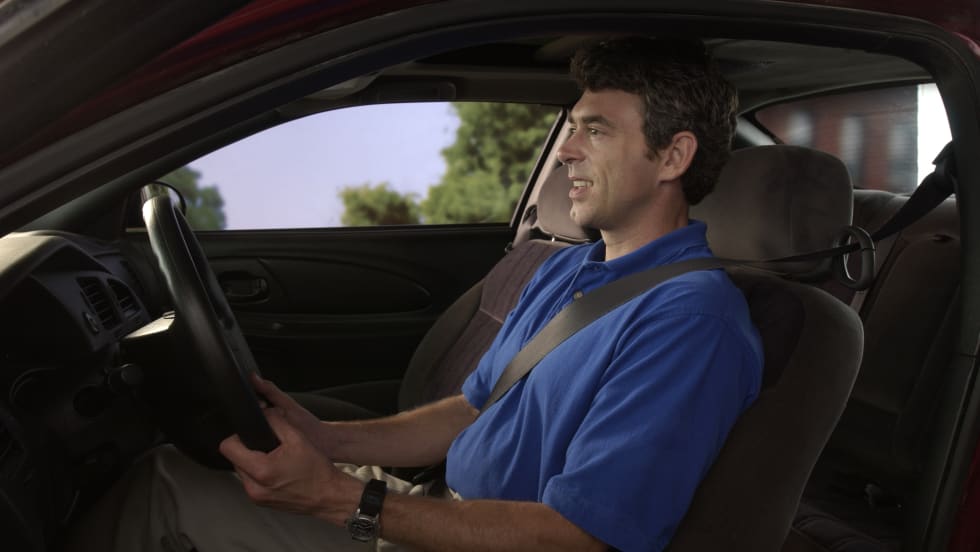
Five Ways Seat Belts Help Prevent Injuries
There are five ways seat belts protect occupants from injuries, according to the Tennessee Department of Safety and Homeland Security.
Read More →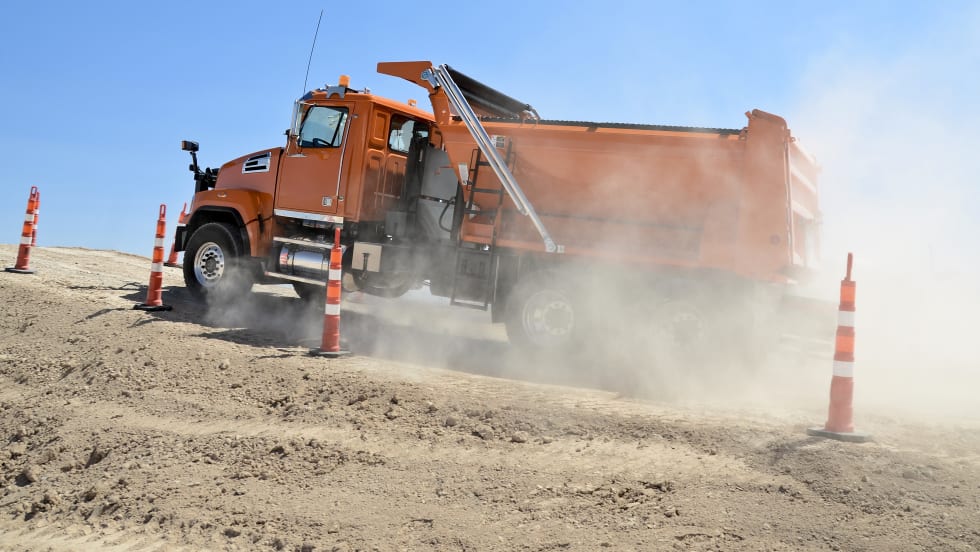
Basic Tracking vs Next Generation Fleet Technology
Fleet software is getting more sophisticated and effective than ever, tying big data models together to transform maintenance, safety, and the value of your existing tech stack. Fleet technology upgrades are undoubtedly an investment, but updated technology can offer a much higher return. Read how upgrading your fleet technology can increase the return on your investment.
Read More →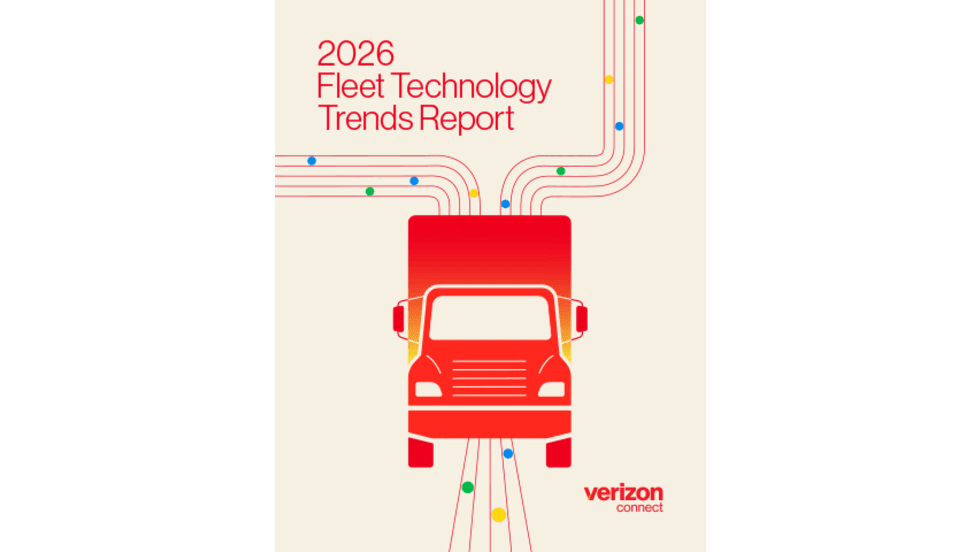
It’s here: The 2026 Fleet Technology Trends Report
What does AI mean for fleets? Get the answer — and learn other top tech trends.
Read More →
Small Fleets, Big Impact: How Independent Drivers Power Wreaths Across America
Check out how small fleets and independent drivers power Wreaths Across America each December and why their impact matters more than ever.
Read More →
VMS Survey Finds 65% of Small Fleet Managers Run Operations Alone
A new VMS survey shows small fleet managers are stretched thin, with most handling operations solo and eager to adopt digital tools for relief.
Read More →
Tips for Driving Safely on Halloween Night
This video features a reminder from the Connecticut Department of Transportation (DOT) and the Connecticut Police Chiefs Association, urging drivers to prioritize safety this Halloween.
Read More →
AI, Access, and Uptime: VMS’s Next Chapter with David Prusinski
VMS’s new Co-CEO, David Prusinski, shares how an AI-first approach will give small fleets and repair shops the tools to compete like big players.
Read More →