





Male Drivers Far More Likely Than Female Drivers to Die in a Crash
Speeding Claims the Most Lives Since 2007
New data from the National Highway Traffic Safety Administration shows that speeding-related fatalities increased 8% from 2020 to 2021, reaching a 14-year peak.
July 17, 2023
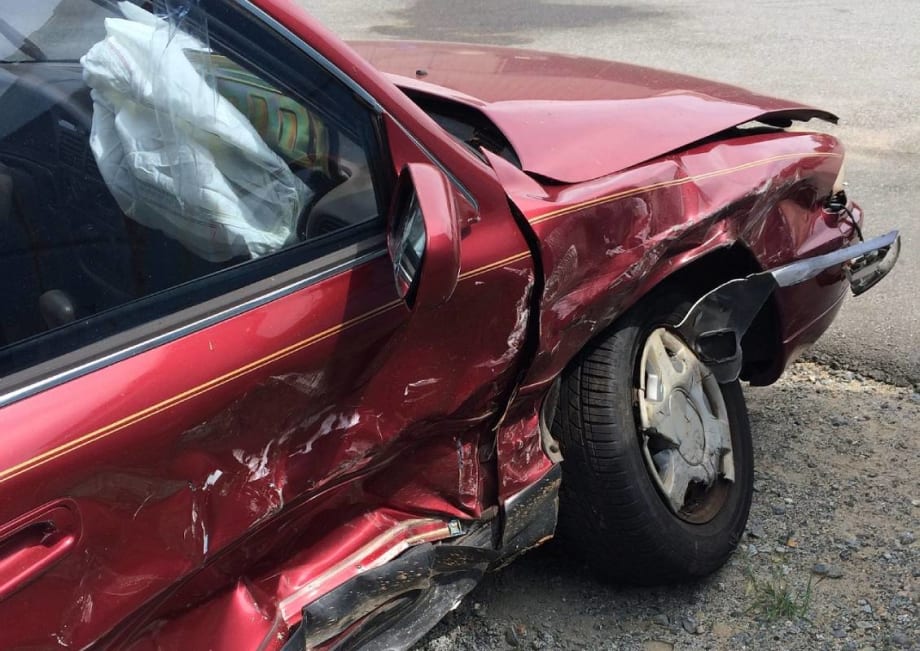
Speeding killed over 12,000 people in 2021 and injured nearly 329,000.
Photo: Pixabay/Akent879
2 min to read
While there has been three quarters of a slight dip in overall roadway deaths, speeding fatalities reached a 14-year high in 2021 and make up almost one-third of all traffic fatalities, according to the latest data from the National Highway Traffic Safety Administration (NHTSA).
The new data shows that speeding-related fatalities increased 8% from 2020 to 2021, with 12,330 people killed in 2021 as compared with 11,428 in 2020 — the most speeding-related deaths since 2007.
The estimated number of people injured in speeding-related crashes also increased by 7%, climbing to 328,946 people or 13% of total people injured.
Speeders Take Multiple Risks
While the NHTSA report does not explicitly draw conclusions as to why speeding deaths are up — when overall roadway deaths are slightly down — the data does indicate that drivers who speed are bigger risk takers than the average driver. Speeding coupled with these drivers’ additional risky behaviors may account, at least in part, for higher speeding crash fatalities.
For example, alcohol impairment was found to be more common among speeding drivers in fatal traffic crashes than those drivers who were not speeding.
Some 37% of speeding drivers involved in fatal crashes had blood alcohol concentrations (BACs) of .08 g/dL or greater, while only 17% of non-speeding drivers were in this BAC range. Moreover, 25% of speeding drivers involved in fatal crashes in 2021 had BACs of .15 g/dL or greater versus 11% of those drivers in deadly crashes who were not speeding.
Lack of seatbelt compliance is another common behavior among drivers who speed. In fatal traffic crashes in 2021 a staggering 51% of speeding drivers of passenger vehicles were unrestrained at the time of crashes, compared to 23% of non-speeding passenger vehicle drivers.
Countless previous studies show that seat belts save lives, but it appears that drivers who speed also often fail to buckle up which certainly adds additional risk during a collision.
The new NHTSA findings indicate that speeders may have a tendency to be roadway rule-breakers in general — not just when they put the pedal to the medal. Noteworthy, among speeding drivers involved in fatal traffic crashes in 2021, there were 32% who did not have valid driver licenses at the time of the crashes, compared to 15% of non-speeding drivers.
Finally, speeding coupled with inexperience operating a motor vehicle could also account for some of the rise in speeding fatalities. The report finds that 35% of male drivers and 21% of female drivers in the 15-to-20 year-old age group involved in fatal traffic crashes in 2021 were speeding — the highest speeding incidence among all age groups as well as the least experienced behind the wheel.
Originally posted on Automotive Fleet
More Small Fleet


Developing Budget-Friendly Driver Safety Programs
From driver training and safety meetings to one-on-one coaching and incentive programs, several small fleets share how they have developed a safety culture with their drivers using low- to no-cost resources.
Read More →
Sponsored•March 9, 2026
Boosting Last-Mile Fleet Uptime, Safety, and Value with AI Vehicle Inspections
AI-powered inspections are transforming last-mile fleets by replacing manual checks with highly accurate automated scans that detect defects in seconds. By giving fleet operations visibility into the daily condition of their vehicles, you can identify trends over the vehicle’s lifecycle that enable improved procurement decisions, route management, driver training and accountability.
Read More →
Five Ways Seat Belts Help Prevent Injuries
There are five ways seat belts protect occupants from injuries, according to the Tennessee Department of Safety and Homeland Security.
Read More →
Sponsored•January 14, 2026
It’s here: The 2026 Fleet Technology Trends Report
What does AI mean for fleets? Get the answer — and learn other top tech trends.
Read More →
Small Fleets, Big Impact: How Independent Drivers Power Wreaths Across America
Check out how small fleets and independent drivers power Wreaths Across America each December and why their impact matters more than ever.
Read More →
VMS Survey Finds 65% of Small Fleet Managers Run Operations Alone
A new VMS survey shows small fleet managers are stretched thin, with most handling operations solo and eager to adopt digital tools for relief.
Read More →
Tips for Driving Safely on Halloween Night
This video features a reminder from the Connecticut Department of Transportation (DOT) and the Connecticut Police Chiefs Association, urging drivers to prioritize safety this Halloween.
Read More →
AI, Access, and Uptime: VMS’s Next Chapter with David Prusinski
VMS’s new Co-CEO, David Prusinski, shares how an AI-first approach will give small fleets and repair shops the tools to compete like big players.
Read More →
Fleet Managers Share Winter Prep Tips: It's Never Too Early!
Three fleets share best practices to prep vehicles for winter and prevent downtime when the cold sets in.
Read More →