




Smith Electric Vehicles Shuts Down, Plans Relaunch
Smith Electric Vehicles is alive and operating, even if it's not building trucks for a while, according to Bryan Hensel, the specialty builder's CEO and co-founder, refuting reports that the company had closed.

Smith Electric Vehicles is alive and operating, even if it's not building trucks for a while, according to Bryan Hensel, the specialty builder's CEO and co-founder, refuting reports that the company had closed.
A "strategic decision" to stop money losing production around the first of the year resulted in layoffs of assembly line workers, he said, but the plant and office in Kansas City, Mo., remains staffed with about 100 engineering, manufacturing, sales, marketing and support people.
Component manufacturing is being moved from the United Kingdom to Malaysia, where motors, controllers and other parts will be made at less cost and with higher quality, Hensel said. As before, components will be shipped to Kansas City for final assembly when production resumes in mid summer.
New Generation 3 trucks will include 16,000- to 26,000-pound GVW Newton low-cab-forward and stripped chassis models, he said. Generation 2 trucks produced until the shutdown "were built to validate the technology and get quantities of trucks out there to validate that it was what we and customers needed."
The Edison model that used a Ford Transit van chassis has been discontinued, even though the new Transit will be built locally, in Kansas City. "We sat down with Ford and decided that it wasn't going to make sense to electrify the new Transit," Hansel said.
Outside investors are being added to financial backers who include current stockholders, he said. The amount of backing will be announced in May.
Previous operations incurred heavy loses, but "we feel very confident that we will have a positive return on our investment," Hansel continued. "The previous supply chain was low volume. Now it's time to go from hundreds of trucks produced to thousands. We think demand will be higher than ever, but we’re not publically stating any production forecasts."
More Green Fleet

Fleet Forward Conference Introduces One-Day Passes for 2026
New one-day registration gives fleet professionals the flexibility to attend Tuesday, Wednesday, or Thursday, with passes available for $199 through Sept. 18.
Read More →
CALSTART Rebrands as Catalyst Mobility, Will Combine with Forth in 2027
CALSTART has rebranded as Catalyst Mobility and will combine with Forth at the start of 2027. The new organization said it is poised to become one of the world's largest, strongest, and most impactful clean transportation nonprofits.
Read More →
Electric Truck and Charging Programs to Boost Sustainability at NY & NJ Ports
Together, the Port Authority of New York and New Jersey and CALSTART will electrify drayage and terminal operations serving the East Coast’s busiest container port. A pair of incentive programs totaling $45 million has launched to accelerate adoption of zero-emission drayage trucks and terminal tractors.
Read More →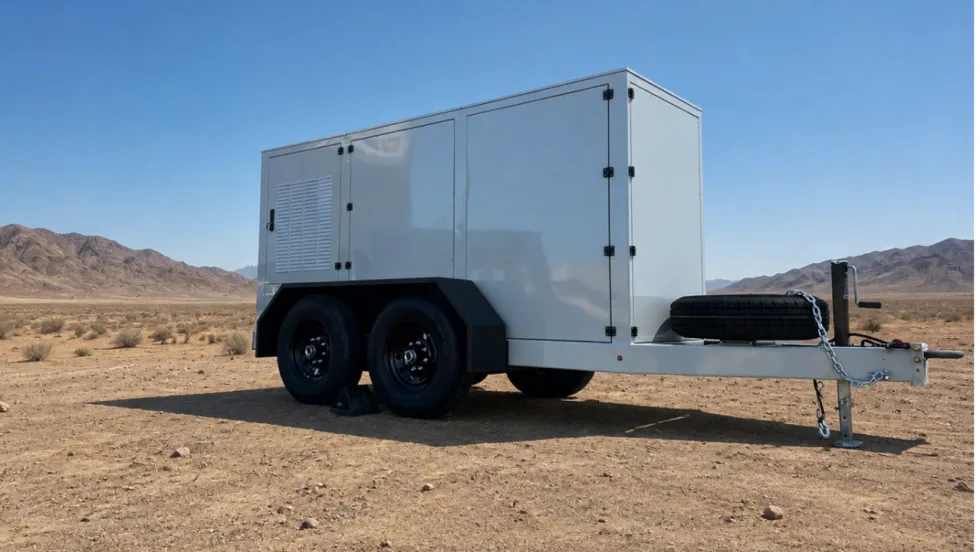
Xos Hub Surpasses One Gigawatt-Hour of Energy Delivered in the Field
A single Xos Hub has surpassed one gigawatt-hour of energy across more than 33,600 charging sessions in the field, demonstrating performance that supports Xos' expansion across new products and markets.
Read More →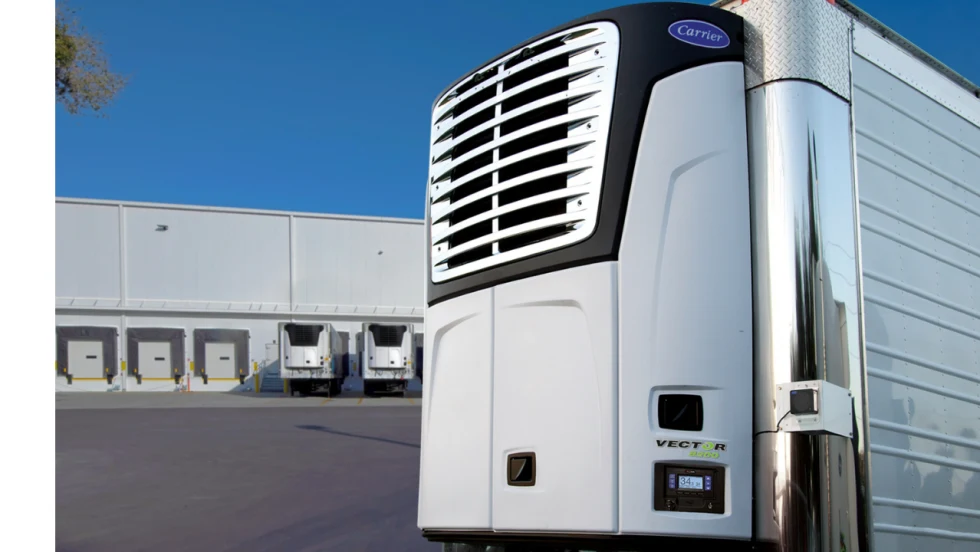
Carrier Transicold Launches All-Electric Vector 8200 TRU for Diesel-Free On-Site Cold Storage
Carrier Transicold’s first engineless multi-temperature TRU helps fresh- and frozen-food fleets add supplemental cold storage capacity during seasonal peaks.
Read More →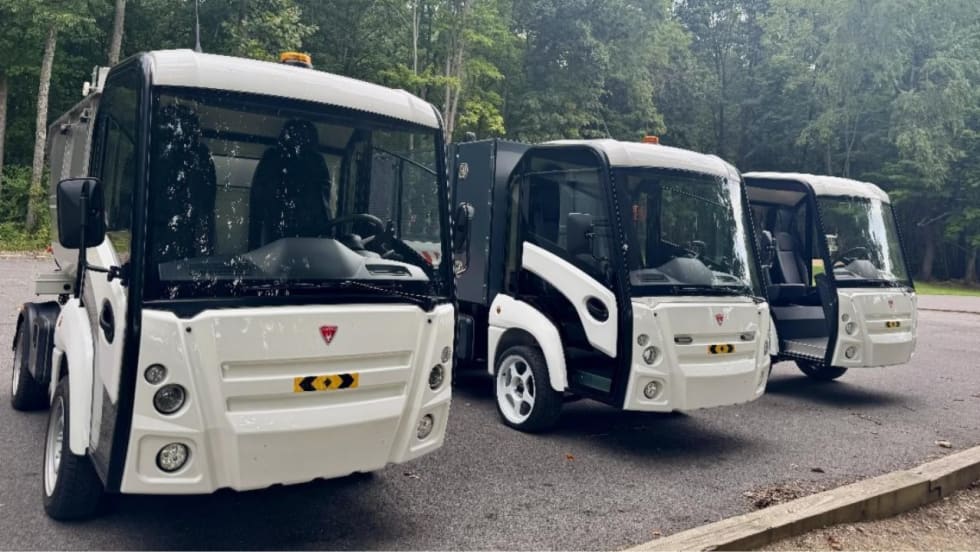
Narro Trucks Introduces Electric Utility Vehicle
Narro Trucks officially launched its operations on Aug. 20 and hosted a ride and drive to showcase its electric truck, which will be produced in Virginia.
Read More →
Samsung SDI Takes Full Control of GM Battery JV as Indiana Plant Pivots to Energy Storage
Samsung SDI is taking full control of its Indiana battery plant with GM, marking a major shift from the EV-focused joint venture Charged Fleet first covered in 2023.
Read More →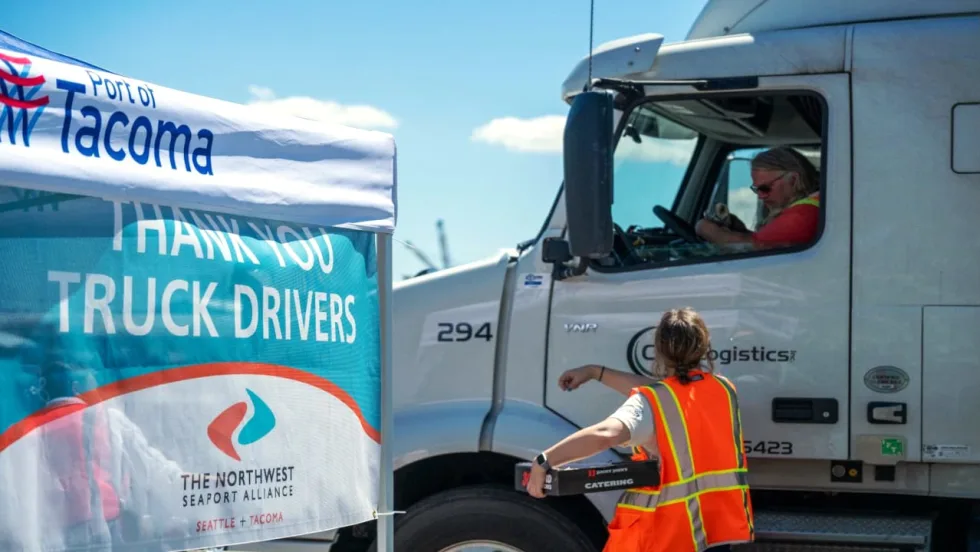
NWSA Taps CALSTART to Administer Zero-Emission Drayage Assistance Program
CALSTART will provide free technical assistance services to drayage fleets serving the Ports of Seattle and Tacoma and looking to transition to cleaner technologies and help decarbonize freight hubs.
Read More →
EV Fleet Reality Check: What Operators Wish They Knew Before Electrifying Their Work Vans
Electric work truck upfits bring new compatibility questions. Learn how parts availability, OEM guidance, power demands, and route planning can affect fleet performance.
Read More →
Peterbilt Expands Sourcewell Partnership with Electric Vehicle Lineup
Peterbilt Motors Company’s cooperative purchasing agreement with Sourcewell and its Canadian partner, Canoe Procurement Group, now includes including Peterbilt's battery-electric vehicle lineup.
Read More →