




Slowing Economy Increasing Wariness of Small Business Owners
Small business owners are increasingly wary of the slowing economy but remain optimistic about the short-term prospects for the economy and their company, according to the latest Small Business InSight survey by The Network of City Business Journals.
This national quarterly telephone survey of small business owners, defined as heads of companies with fewer than 100 full-and part-time employees, revealed that the overall measure of small business outlook, the InSight Index, fell slightly from 130 in April, to 127 in July, although it remained in positive territory. A score of 100 or higher is considered positive.
The driving forces behind the index change are a decline in small business owners' sentiments about current economic conditions both nationally and locally, and a slight increase in the number of small businesses planning to trim their work force over the next six months.
Thirty-seven percent of those polled described the national economy as "strong", compared to 40 percent of those polled in April. A decline was even more noticeable at the local level as 38 percent described the economy in their region as "strong", compared to 42 percent during the April survey. The other contributing factor to the index change was the five percent of respondents who expected to trim staff, up from one percent in April.
Overall, most small business owners remain optimistic, with 54 percent expressing positive views about the economy and 77 percent feeling positive about the prospects for their company in the immediate future. Supporting the prevailing positive outlook for the immediate future are the 36 percent of small business owners who indicated they are likely to make capital expenditures during the next six months and 18 percent who are likely to increase their staffing over the same time frame.
"We are still seeing the resiliency that sets small businesses apart," said Network research director Bill Madway. "Small business owners are heeding what's going on with the economy, but they are retaining their optimism and continuing to grow and invest."
Looking at the small business owners' most pressing concerns, work force issues, in particular, the ability to find qualified employees, continues to top the list. Reflecting the decline in the InSight Index, a growing number of small businesses cited the economy as their chief business concern, making it now the second leading issue, up from sixth in the April poll. Nineteen percent of July survey participants identified the economy as their top business concern, an increase from 12 percent in April.
"With the economy continuing to flounder, it doesn't surprise me that the economy is now the second biggest concern among small business owners," said Madway. "What does surprise me is that work force issues remain at the top of the list, even though the unemployment rate is rising. Despite the increasing labor supply, small businesses continue to experience difficulty attracting good employees. Dealing with this issue challenges the resourcefulness of small business owners as much as the struggling economy does."
The poll of 499 small business owners from across the country took place in mid-July for The Network of City Business Journals. International Communications Research of Media, PA, conducted the survey among a random sample of small businesses drawn from the InfoUSA business database.
More Small Fleet


Developing Budget-Friendly Driver Safety Programs
From driver training and safety meetings to one-on-one coaching and incentive programs, several small fleets share how they have developed a safety culture with their drivers using low- to no-cost resources.
Read More →
Boosting Last-Mile Fleet Uptime, Safety, and Value with AI Vehicle Inspections
AI-powered inspections are transforming last-mile fleets by replacing manual checks with highly accurate automated scans that detect defects in seconds. By giving fleet operations visibility into the daily condition of their vehicles, you can identify trends over the vehicle’s lifecycle that enable improved procurement decisions, route management, driver training and accountability.
Read More →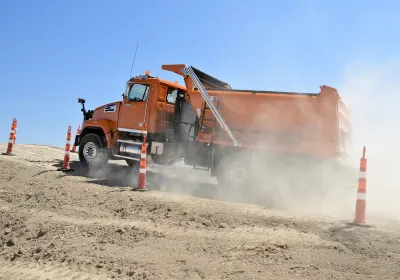

Five Ways Seat Belts Help Prevent Injuries
There are five ways seat belts protect occupants from injuries, according to the Tennessee Department of Safety and Homeland Security.
Read More →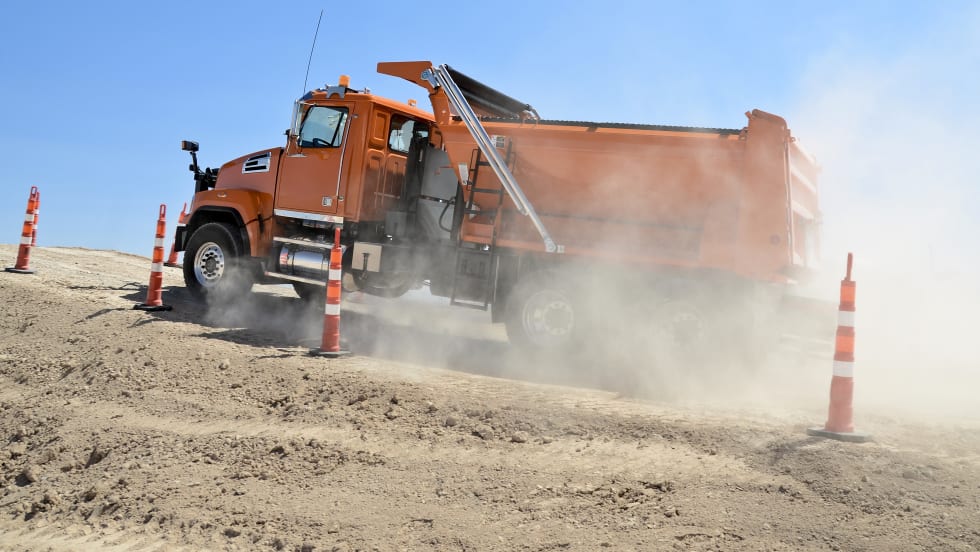
Basic Tracking vs Next Generation Fleet Technology
Fleet software is getting more sophisticated and effective than ever, tying big data models together to transform maintenance, safety, and the value of your existing tech stack. Fleet technology upgrades are undoubtedly an investment, but updated technology can offer a much higher return. Read how upgrading your fleet technology can increase the return on your investment.
Read More →
It’s here: The 2026 Fleet Technology Trends Report
What does AI mean for fleets? Get the answer — and learn other top tech trends.
Read More →
Small Fleets, Big Impact: How Independent Drivers Power Wreaths Across America
Check out how small fleets and independent drivers power Wreaths Across America each December and why their impact matters more than ever.
Read More →
VMS Survey Finds 65% of Small Fleet Managers Run Operations Alone
A new VMS survey shows small fleet managers are stretched thin, with most handling operations solo and eager to adopt digital tools for relief.
Read More →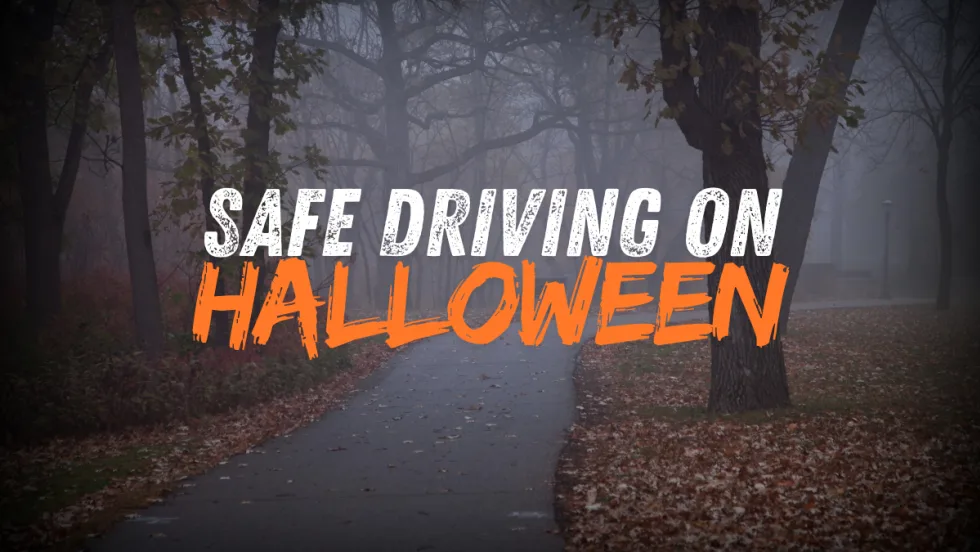
Tips for Driving Safely on Halloween Night
This video features a reminder from the Connecticut Department of Transportation (DOT) and the Connecticut Police Chiefs Association, urging drivers to prioritize safety this Halloween.
Read More →
AI, Access, and Uptime: VMS’s Next Chapter with David Prusinski
VMS’s new Co-CEO, David Prusinski, shares how an AI-first approach will give small fleets and repair shops the tools to compete like big players.
Read More →