




Senate Backs Away From Plan to Raise Fuel Efficiency
Facing strong pressure from a coalition of automakers, union workers and business groups, the Senate appears to be backing away from a proposal to raise the average fuel efficiency of U.S. cars and trucks to as high as 36 miles per gallon from the current 24 mpg, according to a Wall Street Journal story by John J. Fialka and Shailagh Murray. After a day of maneuvering over the entire energy bill, a substitute measure sponsored by Sens. Carl Levin (D.-Mich.) and Christopher Bond (R.-Mo.) appeared to pull enough Democrats from industrial states into a Republican-led coalition to defeat the imposition of a fixed new standard, at least for the next two years, the Journal reported. A vote on the measure is scheduled for March 13. The Levin-Bond proposal would give the power to determine a Corporate Average Fuel Economy, or CAFE, standard to the Department of Transportation. DOT would have 15 months to determine a standard for light trucks and 24 months to select one for cars. The proposal would require DOT to weigh the standards against 12 considerations, including automobile safety, the need to develop new auto technology and the need to reduce U.S. dependence on imported oil. Opponents of the original measure to boost fuel economy levels by up to 50 percent had cited the proposals as sounding the death knell for the huge SUVs and minivans of which Americans are so fond. The rising popularity of such vehicles, which have lower fuel economy requirements under current CAFE rules, has kept the average economy of American vehicles at about 1988 levels, despite advances in automotive technology. Typically, the fuel economy debate has been furious with opponents bombarding senators with ads and intense lobbying. Honda, the only major automaker to endose the proposals, was accused of having an unfair CAFE advantage because it sells fewer trucks than US makers. Senators opposed to the tough new standards indulged in rich rhetoric, claiming for example that farmers would need to swap their pickup trucks for golf carts. Republican senator John McCain of Arizona argued that if Ford was already advertising 40-mpg economy for its hybrid Escape SUV, above the proposed 2015 CAFE requirements, the industry didn’t have a problem. McCain, in his trademark blunt style, scathingly referred to previous claims that compulsory seatbelts, improved economy and airbags would signal the end of the vehicle industry – but didn’t.
More Small Fleet


Developing Budget-Friendly Driver Safety Programs
From driver training and safety meetings to one-on-one coaching and incentive programs, several small fleets share how they have developed a safety culture with their drivers using low- to no-cost resources.
Read More →
Boosting Last-Mile Fleet Uptime, Safety, and Value with AI Vehicle Inspections
AI-powered inspections are transforming last-mile fleets by replacing manual checks with highly accurate automated scans that detect defects in seconds. By giving fleet operations visibility into the daily condition of their vehicles, you can identify trends over the vehicle’s lifecycle that enable improved procurement decisions, route management, driver training and accountability.
Read More →
Five Ways Seat Belts Help Prevent Injuries
There are five ways seat belts protect occupants from injuries, according to the Tennessee Department of Safety and Homeland Security.
Read More →
It’s here: The 2026 Fleet Technology Trends Report
What does AI mean for fleets? Get the answer — and learn other top tech trends.
Read More →
Small Fleets, Big Impact: How Independent Drivers Power Wreaths Across America
Check out how small fleets and independent drivers power Wreaths Across America each December and why their impact matters more than ever.
Read More →
VMS Survey Finds 65% of Small Fleet Managers Run Operations Alone
A new VMS survey shows small fleet managers are stretched thin, with most handling operations solo and eager to adopt digital tools for relief.
Read More →
Tips for Driving Safely on Halloween Night
This video features a reminder from the Connecticut Department of Transportation (DOT) and the Connecticut Police Chiefs Association, urging drivers to prioritize safety this Halloween.
Read More →
AI, Access, and Uptime: VMS’s Next Chapter with David Prusinski
VMS’s new Co-CEO, David Prusinski, shares how an AI-first approach will give small fleets and repair shops the tools to compete like big players.
Read More →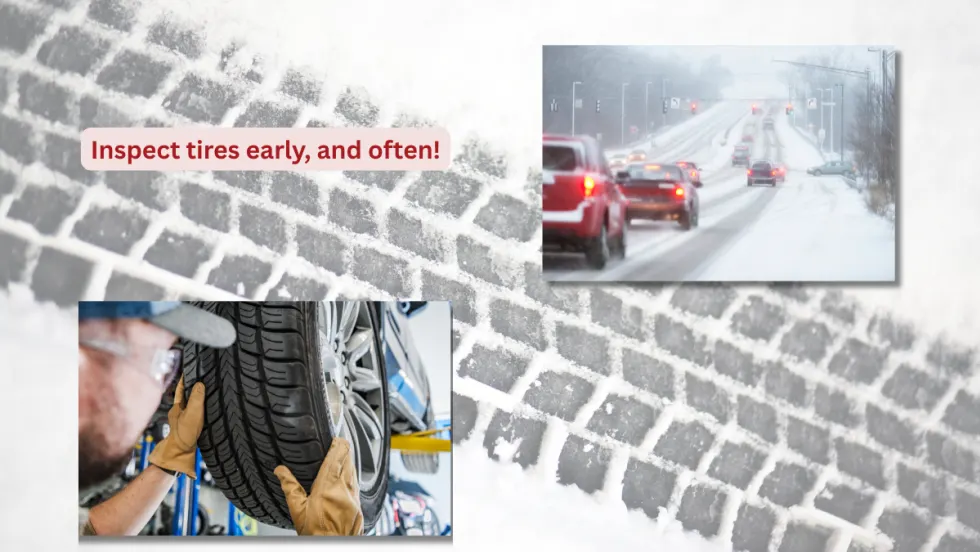
Fleet Managers Share Winter Prep Tips: It's Never Too Early!
Three fleets share best practices to prep vehicles for winter and prevent downtime when the cold sets in.
Read More →