





Learn More: SDG&E Pledges To Reach Net Zero GHG Emissions By 2045
SDG&E Accelerates Drive Toward Net Zero GHG Emissions
The company has released a sustainability strategy update detailing innovative programs and clean energy investments.
October 21, 2021
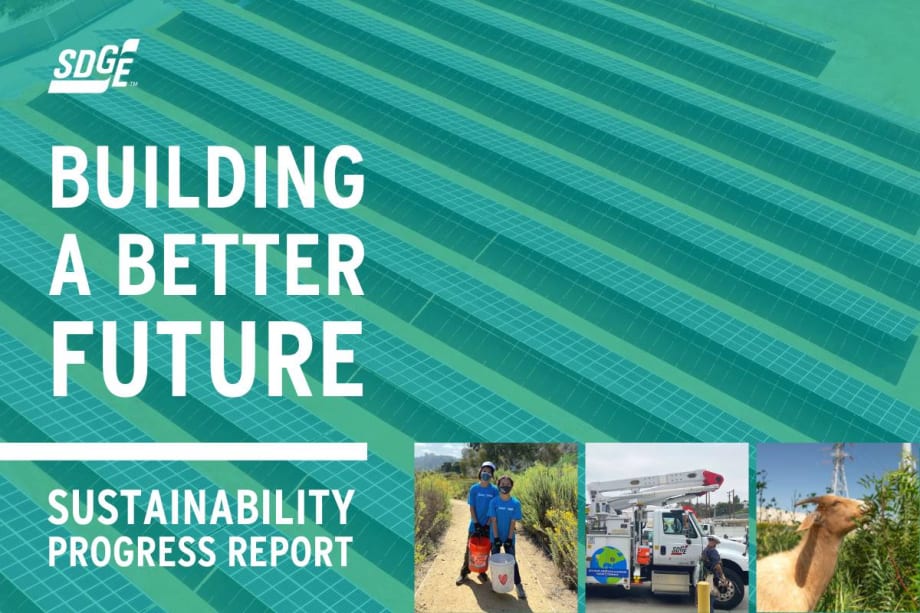
The company has released a sustainability strategy update detailing innovative programs and clean energy investments.
Photo: SDG&E
3 min to read
San Diego Gas & Electric Company (SDG&E) released its annual sustainability strategy update, highlighting what it has accomplished over the past year to help create a clean, resilient, and equitable future, as well as outlining new and accelerated goals to help meet its pledge to reach net zero greenhouse gas emissions by 2045.
SDG&E’s new sustainability goals include:
Operating a Zero Emissions Fleet by 2035 - Recognizing the transportation sector is the single largest source of GHG emissions, SDG&E seeks to operate a 100% zero emissions vehicle (ZEV) fleet by 2035 – five years ahead of the company’s original goal.
Achieving Zero Net Energy Facilities by 2030 - Buildings account for 25% of GHG emissions in California. As part of SDG&E’s work to ensure its own operations are sustainable, the company set a new goal to achieve zero net energy for all company-owned facilities in San Diego and southern Orange County.
Piloting a Virtual Power Plant by 2022 - In an effort to boost grid reliability, flexibility, and resilience, SDG&E will accelerate its timeline to deliver a virtual power plant (VPP) by 2022, instead of 2025 as originally planned. This innovative demonstration project will integrate multiple types of customer-owned distributed energy resources (DER), including energy storage systems, into a planned renewable microgrid in Shelter Valley, a community in eastern San Diego County. The primary goal of the VPP is to coordinate the dispatch of customer DERs in concert with microgrid energy needs and allow those resources to be dispatched to the regional grid when supplies are tight. Results of the demonstration will inform future initiatives and grid management system needs.
SDG&E released a comprehensive sustainability strategy in October 2020, which included several aspirational goals. In the interest of accountability and transparency, the company committed to providing an annual update on its progress toward meeting its sustainability goals. Highlights of the company’s accomplishments over the past year include:
Helping launch a regional collaborative called Accelerate to Zero Emissions (A2Z) to align and attract public and private investment to expand the infrastructure necessary to support widespread adoption of electric vehicles and fuel cell vehicles
Adding two energy storage facilities (totaling 50 MW) by year end and starting construction on a third
Acquiring three large-scale mobile batteries, which can be deployed as backup power during emergencies
Finishing construction of a renewable microgrid by year end to support a rural community in a high fire-threat area that is subject to public safety power shutoffs and starting construction on a second microgrid that will provide backup power to CAL FIRE and U.S. Forest Service aerial firefighting assets
Completing a decade-long project to harden electrical infrastructure inside the Cleveland National Forest – replacing more than 2,300 wood poles with steel poles
Issuing $750 million in green bonds to raise the capital needed to deliver some of the projects outlined in its sustainability strategy
More Green Fleet

Fleet Forward Conference Introduces One-Day Passes for 2026
New one-day registration gives fleet professionals the flexibility to attend Tuesday, Wednesday, or Thursday, with passes available for $199 through Sept. 18.
Read More →
CALSTART Rebrands as Catalyst Mobility, Will Combine with Forth in 2027
CALSTART has rebranded as Catalyst Mobility and will combine with Forth at the start of 2027. The new organization said it is poised to become one of the world's largest, strongest, and most impactful clean transportation nonprofits.
Read More →
Electric Truck and Charging Programs to Boost Sustainability at NY & NJ Ports
Together, the Port Authority of New York and New Jersey and CALSTART will electrify drayage and terminal operations serving the East Coast’s busiest container port. A pair of incentive programs totaling $45 million has launched to accelerate adoption of zero-emission drayage trucks and terminal tractors.
Read More →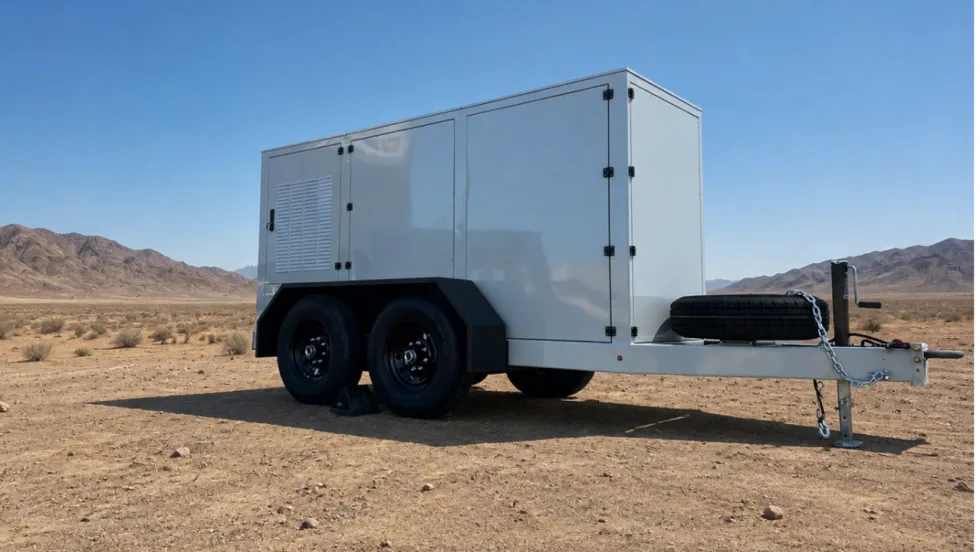
Xos Hub Surpasses One Gigawatt-Hour of Energy Delivered in the Field
A single Xos Hub has surpassed one gigawatt-hour of energy across more than 33,600 charging sessions in the field, demonstrating performance that supports Xos' expansion across new products and markets.
Read More →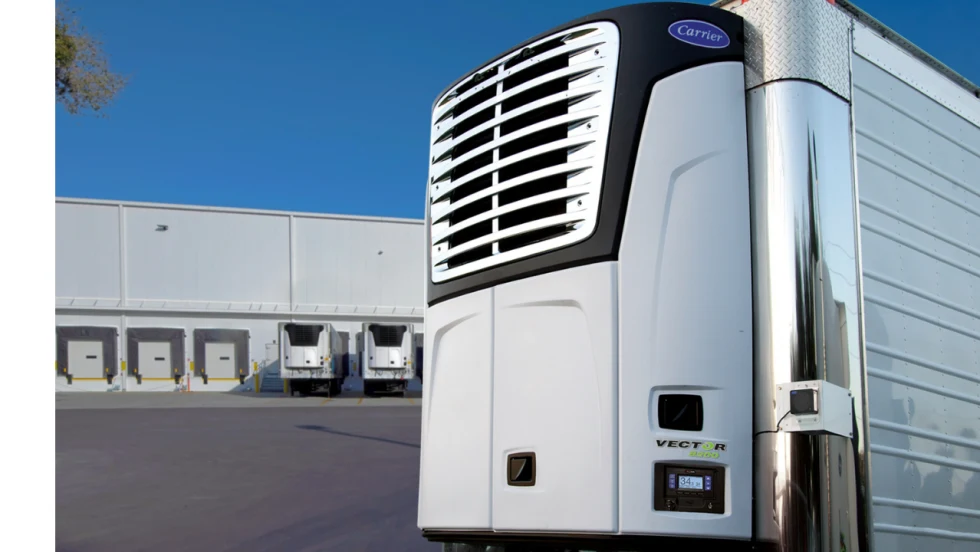
Carrier Transicold Launches All-Electric Vector 8200 TRU for Diesel-Free On-Site Cold Storage
Carrier Transicold’s first engineless multi-temperature TRU helps fresh- and frozen-food fleets add supplemental cold storage capacity during seasonal peaks.
Read More →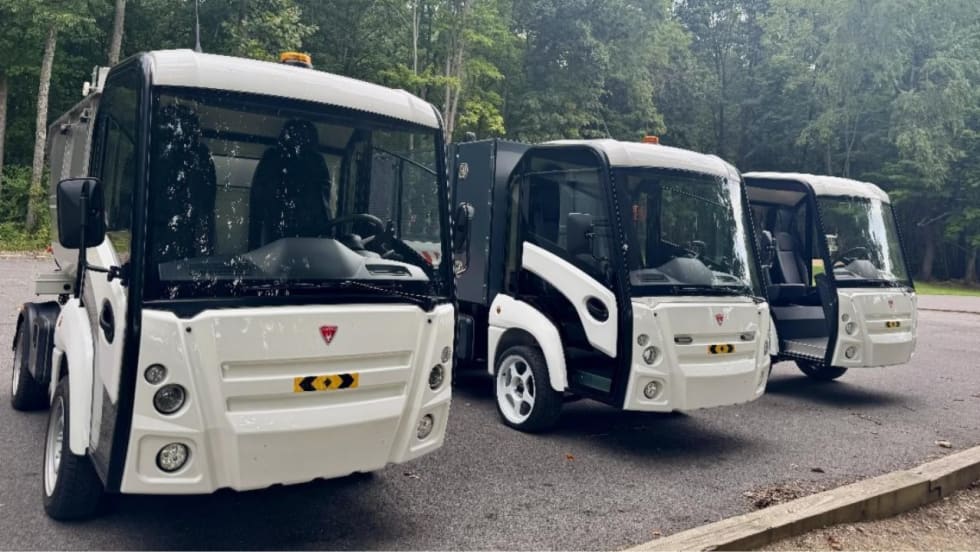
Narro Trucks Introduces Electric Utility Vehicle
Narro Trucks officially launched its operations on Aug. 20 and hosted a ride and drive to showcase its electric truck, which will be produced in Virginia.
Read More →
Samsung SDI Takes Full Control of GM Battery JV as Indiana Plant Pivots to Energy Storage
Samsung SDI is taking full control of its Indiana battery plant with GM, marking a major shift from the EV-focused joint venture Charged Fleet first covered in 2023.
Read More →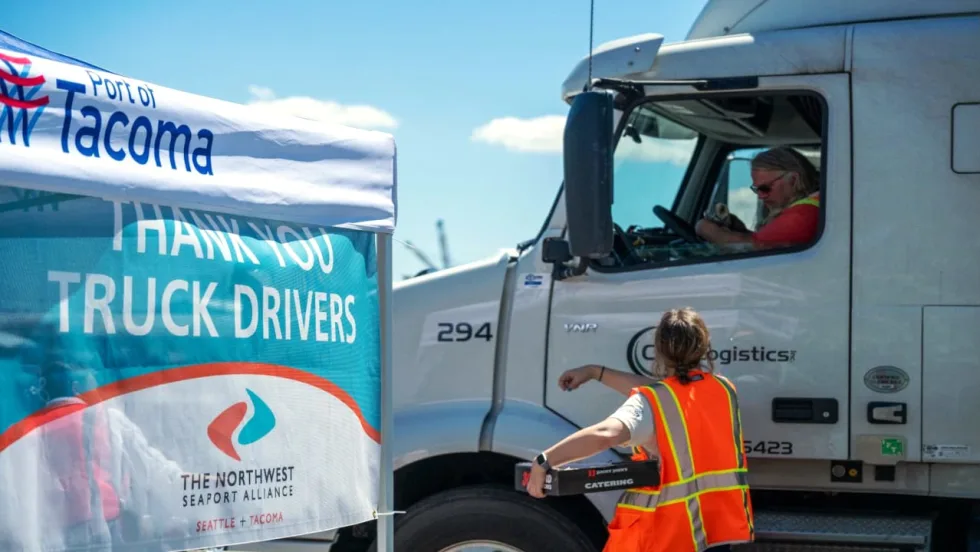
NWSA Taps CALSTART to Administer Zero-Emission Drayage Assistance Program
CALSTART will provide free technical assistance services to drayage fleets serving the Ports of Seattle and Tacoma and looking to transition to cleaner technologies and help decarbonize freight hubs.
Read More →
EV Fleet Reality Check: What Operators Wish They Knew Before Electrifying Their Work Vans
Electric work truck upfits bring new compatibility questions. Learn how parts availability, OEM guidance, power demands, and route planning can affect fleet performance.
Read More →
Peterbilt Expands Sourcewell Partnership with Electric Vehicle Lineup
Peterbilt Motors Company’s cooperative purchasing agreement with Sourcewell and its Canadian partner, Canoe Procurement Group, now includes including Peterbilt's battery-electric vehicle lineup.
Read More →