




Samsara Report Reveals Tech & Sustainability Strategies of Global Leaders
Samsara's 2023 State of Connected Operations Report analyzed 1,500 operations leaders worldwide.


The report reveals how global leaders maneuver through economic and geo-political volatility.
Photo: Work Truck
Several technological breakthroughs are unfolding in the work truck industry, encompassing self-driving cars, renewable fuel, robotics, and more.
What implications will these advancements have on the future of the industry? When faced with pressure, fleets don't shy away from change but embrace it.
Samsara released the 2023 State of Connected Operations Report. It analyzed 1,500 operations leaders worldwide and dives into how today's leaders maneuver through economic and geo-political volatility.
Reimaging a Fleet’s Operations With Technology
Equipping a work truck fleet with up-to-date technology brings many advantages to today's industry.
By embracing tech, fleets can streamline operations, enhance productivity, and achieve significant cost savings.
Regarding the digital maturity rate of leaders’ organization’s physical operations, 47% reported beginner, 45% said they were advanced, and only 8% reported a high level of digital maturity.
So is it worth adding telematics and management software to your fleet?
The data speaks for itself; the leaders who reported resulted in higher employee productivity (64%), higher revenue (59%), and increased net profit (56%).
As we enter 2023, 56% of leaders emphasize enhancing workforce productivity by adopting new technologies as an essential organizational priority.
There is still time for fleets who haven’t taken advantage of tech yet. But it would be best if you started planning for it now.
Of the 1,500 leaders, 84% plan to use generative AI, and 91% will leverage automation to modernize their operations by 2024.
Investing in Data to Get Ahead
One thing almost every leader agreed on (90%) was that data is a competitive advantage for their organization.
Real-time operational data for fleets involves collecting, analyzing, and using up-to-the-minute information regarding fleet operations.
It involves gathering real-time data from vehicles, drivers, and other relevant sources and processing it to provide actionable insights.
And fleets are increasing their tech budget to take advantage of it. According to the report, 90% of leaders say having accurate, real-time operational data is critical to decision-making in 2023.
Plus, leaders report widespread benefits because of their data technology investments:
Increased safety (50%).
Improved compliance (50%).
Higher revenue (43%).
Increased net profit (43%).
Using AI to Modernize Operations
The survey reported that adopting artificial intelligence (AI) has significantly impacted operations this year.
According to the report, 31% of leaders and 47% of digitally mature leaders use generative AI to modernize their operations.
Looking ahead, 84% of leaders have plans to incorporate generative AI into their processes by 2024, with only a mere 5% expressing no intention to adopt this technology.
As generative AI advances and finds diverse real-world applications, it will unlock boundless possibilities for physical operations in the coming years.
These possibilities include automating:
Driving tasks.
Predicting consumer demands.
Streamlining daily operations.
To fully leverage AI's potential and overcome information overload challenges, Samsara stated that leaders will need to focus on solutions that harness the power of AI to enhance existing processes and tackle new problems.
Particularly for physical operations, AI can efficiently organize and analyze massive volumes of data from various sources, such as sites, vehicles, assets, and employees in the work truck industry.
On top of discussing leveraging technology, the leaders were also surveyed on their top three challenges this year.
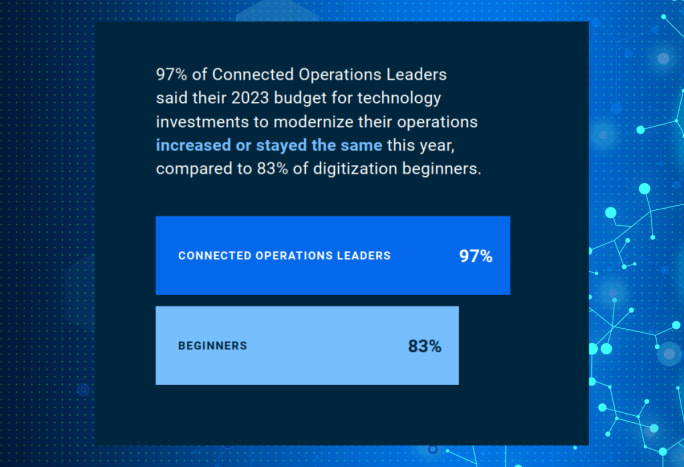
Results from the 2023 State of Connected Operations Report.
Photo: Samsara
Top Strategies to Combat Supply Chain Shortages
The top three concerns the leaders face globally are:
Volatile fuel prices.
Cross-border travel/trade.
Leaders remain deeply concerned about the persistent supply chain delays and shortages three years after the pandemic triggered worldwide disruptions.
Recognizing the limitations of minor adjustments, leaders have shifted their focus toward fundamentally rebuilding their supply chains.
So how are these leaders combating their most significant challenge? Of the surveyed, 95% plan to implement at least one of these strategies this year to combat supply chain shortages:
Onshoring — transferring an overseas business operation back to its country of origin.
Nearshoring — transferring an overseas business operation to another nearby country.
Friendshoring — transferring an overseas business operation to countries that are political or economic allies.
Clean Fuel Becomes the Norm
This year, reducing emissions is a high priority for leaders.
Top strategies for achieving this goal include:
Adopting EVs through purchasing or leasing.
Driver training programs to reduce fuel usage and idling.
Optimizing routing to minimize the number of miles driven.
What excites leaders about decarbonization initiatives? They point to two primary factors:
Meeting customer and/or partner expectations.
Increasing competitiveness.
These motivations reflect how market pressures are driving the shift toward sustainability.
Government Regulations on Decarbonization
Governments worldwide are tightening regulations on businesses that fail to prioritize sustainability. Among the digitally mature leaders, 51% acknowledge that regulatory requirements serve as a primary motivation for their efforts to reduce emissions.
Pursuing government sustainability grants has garnered significant interest across countries, with Mexico leading the way. A remarkable 60% of leaders in Mexico plan to actively seek these grants within the next two years.
Globally, 62% of the digitally mature leaders have similar intentions, compared to 50% of those still in the early stages of their sustainability journey.
More Operations
Family Ties Inside the Fleet Families Building Careers Across Generations
Three fleet families share what it really takes to work together, learn across generations, and keep business from following them home.
Read More →
Shades of Fleet Call for Voices: Fleet's Hidden Heroes
Fleet’s hidden heroes are often the ones keeping everything moving behind the scenes. September’s Shades of Fleet is looking for dispatchers, coordinators, parts specialists, and other support pros to share their stories.
Read More →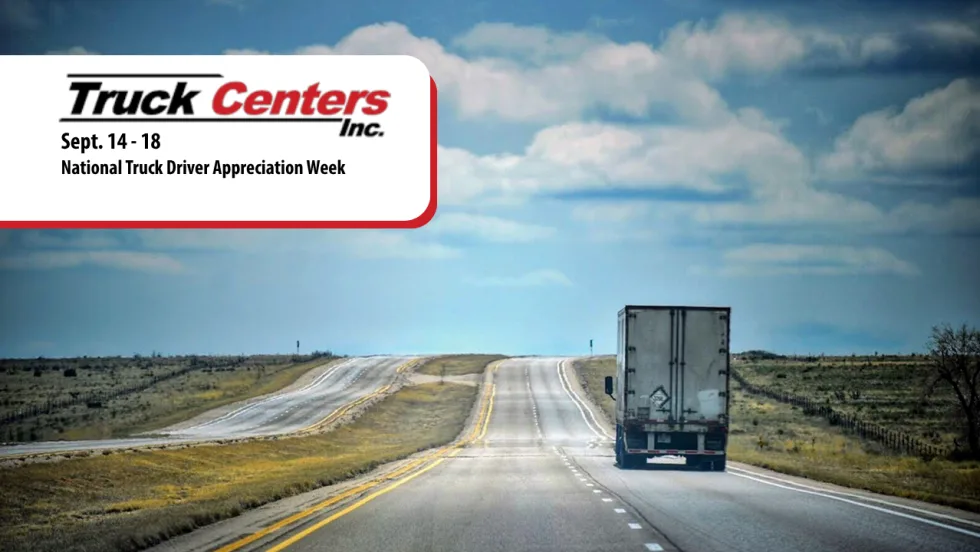
Truck Centers, Inc. Celebrates National Truck Driver Appreciation Week with $1,000 Fuel Card Giveaways
During National Truck Driver Appreciation Week, Truck Centers, Inc. is offering customers a chance to fuel up for free. Customers at all Truck Centers locations can enter to win one of four $1,000 fuel cards from Sept. 14 - 18.
Read More →
Fleet Guides, AI Time-Savers, Truck Tariffs & Fuel Strategy Lead the News
This week’s Truck Chat Cheat Sheet covers new fleet vehicle guides, practical AI use cases, U.S.-Canada truck production, mixed-energy strategy, and more.
Read More →
What Fleet Employers Are Missing When Hiring Veterans
What if some of the strongest candidates for fleet are already out there, but their experience is written in a language our industry does not always recognize?
Read More →
Automotive Fleet Opens 2026 Personal Use Survey for Commercial Fleet Managers
Less than two weeks left! Commercial and corporate fleet managers are invited to share how their organizations handle company vehicle personal-use policies, charges, and driver eligibility.
Read More →
What Resilient Fleets Do Differently When Conditions Change
Fleet resilience is about more than reacting to disruption. Lauren Fletcher talks with AP Fleet’s Alex Coveney about flexibility, planning, scaling, and what helps fleets adapt when business conditions shift.
Read More →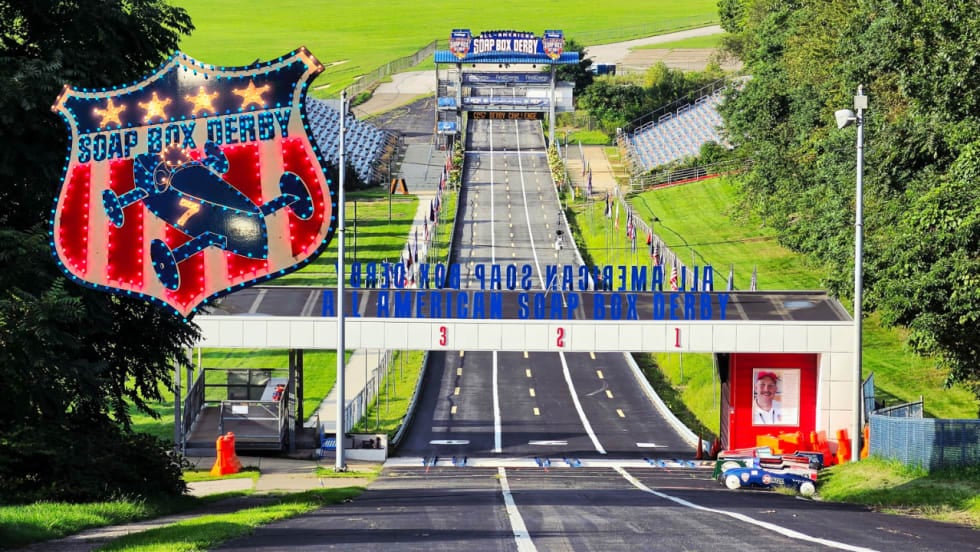
If We Want the Next Generation in Automotive, We Have to Give Them a Reason to Care
The automotive industry talks constantly about its workforce shortage. But before we can recruit the next generation, we may need to do a better job giving kids a reason to care about automotive in the first place.
Read More →
Ram ProMaster City Under $40K, Truck Tariffs, and AI Maintenance Lead the News
A sub-$40K commercial van, tariff questions, AI-powered maintenance, and a new EV production strategy headline this week’s Truck Chat Cheat Sheet.
Read More →
Bob Adamsky Shares the Fleet Lessons You Usually Learn the Hard Way
After more than 30 years in fleet, Arrow International’s Bob Adamsky has learned that the job is about far more than vehicles. He shares the lessons he wishes every fleet manager could learn a little earlier.
Read More →