




Safety Council's Contest Highlights Driver Distraction
Winning video productions must creatively demonstrate how and why behind-the-wheel use of wireless electronic devices still distracts drivers and poses a serious safety risk.

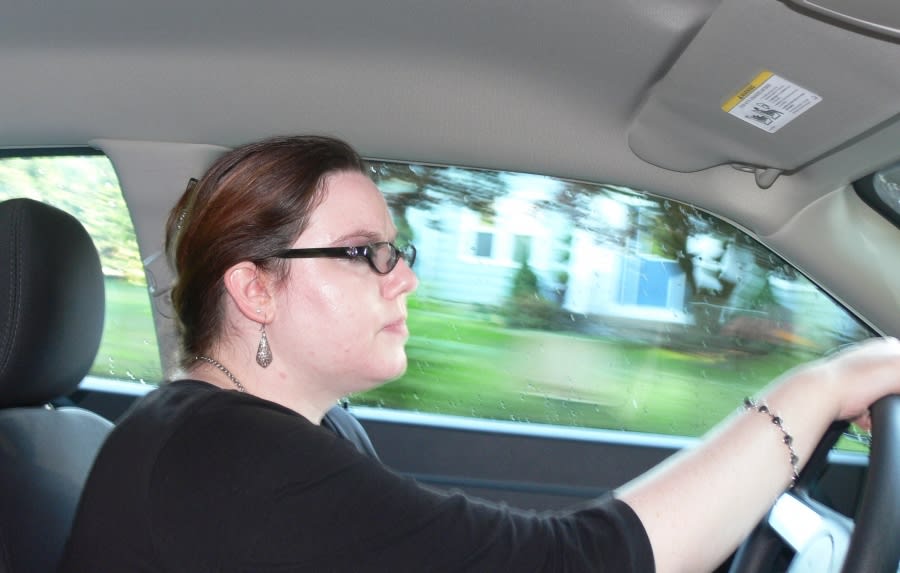
Photo: AAA Foundation for Traffic Safety.
As part of its “Hands-Free Is Not Risk-Free” campaign, the National Safety Council is sponsoring a video contest in which entries creatively highlight the dangerous distractions posed by driver use of hands-free electronic devices.
Entries must be original videos that illustrate how drivers using such hands-free devices are still cognitively distracted. The contest will include monetary awards of up to $2,000. Winners will be announced in April, which is Distracted Driving Awareness Month.
Winning videos will effectively convey the extent to which the minds of drivers using hands-free devices are distracted, NSC said. All participants – including anyone in the video – must be at least 18 years of age. Videos cannot contain any copyrighted material, including music, and cannot be more than two minutes long.
Monetary awards also will be given for second and third place. Entries will be accepted until March 14.
To gain a better understanding of what cognitive distraction is, click on the photo above.
“More than 30 scientific studies indicate hands-free device use does not offer drivers any safety benefit,” said John Ulczycki, vice president of strategic initiatives at NSC. “The brains of drivers using handheld or hands-free devices are distracted by the conversation itself, which means they are not able to focus solely on the task of driving. NSC aims to raise awareness about the dangers of using cell phones behind the wheel, not just in April during Distracted Driving Awareness Month, but every day of the year.”
NSC estimates one in four car crashes involve some form of cell phone use. In 2009, NSC called for a total ban on all cell phone use while driving. The organization opted to take this stance after reviewing numerous studies indicating the dangers of both handheld and hands-free devices.
Drivers distracted by cell phones can miss seeing up to 50 percent of their driving environment and have significantly delayed reaction times, according to studies.
Originally posted on Automotive Fleet
More Small Fleet


Developing Budget-Friendly Driver Safety Programs
From driver training and safety meetings to one-on-one coaching and incentive programs, several small fleets share how they have developed a safety culture with their drivers using low- to no-cost resources.
Read More →
Boosting Last-Mile Fleet Uptime, Safety, and Value with AI Vehicle Inspections
AI-powered inspections are transforming last-mile fleets by replacing manual checks with highly accurate automated scans that detect defects in seconds. By giving fleet operations visibility into the daily condition of their vehicles, you can identify trends over the vehicle’s lifecycle that enable improved procurement decisions, route management, driver training and accountability.
Read More →
Five Ways Seat Belts Help Prevent Injuries
There are five ways seat belts protect occupants from injuries, according to the Tennessee Department of Safety and Homeland Security.
Read More →
It’s here: The 2026 Fleet Technology Trends Report
What does AI mean for fleets? Get the answer — and learn other top tech trends.
Read More →
Small Fleets, Big Impact: How Independent Drivers Power Wreaths Across America
Check out how small fleets and independent drivers power Wreaths Across America each December and why their impact matters more than ever.
Read More →
VMS Survey Finds 65% of Small Fleet Managers Run Operations Alone
A new VMS survey shows small fleet managers are stretched thin, with most handling operations solo and eager to adopt digital tools for relief.
Read More →
Tips for Driving Safely on Halloween Night
This video features a reminder from the Connecticut Department of Transportation (DOT) and the Connecticut Police Chiefs Association, urging drivers to prioritize safety this Halloween.
Read More →
AI, Access, and Uptime: VMS’s Next Chapter with David Prusinski
VMS’s new Co-CEO, David Prusinski, shares how an AI-first approach will give small fleets and repair shops the tools to compete like big players.
Read More →
Fleet Managers Share Winter Prep Tips: It's Never Too Early!
Three fleets share best practices to prep vehicles for winter and prevent downtime when the cold sets in.
Read More →