




RSC Equipment Rental Introduces Equipment Emission Tracking
SCOTTSDALE, AZ - RSC Equipment Rental, the operating company of RSC Holdings Inc., launched an equipment emission tracking service that automatically calculates greenhouse gas and criteria pollutant emissions from diesel powered equipment.
SCOTTSDALE, AZ - RSC Equipment Rental, the operating company of RSC Holdings Inc., launched an equipment emission tracking service that automatically calculates greenhouse gas and criteria pollutant emissions from diesel powered equipment. The data regarding these emissions are critical for regulatory compliance, voluntary reporting, and carbon footprint reduction. The Global Institute of Sustainability at Arizona State University independently verified the methodology, the formulas and the data collected.
"RSC is the first company in the equipment rental industry to provide customers accurate and detailed emissions data that help them with regulatory guidelines, voluntary reporting, and measuring progress towards sustainability goals," said Kevin Groman, Senior Vice President and head of the company's sustainability efforts. "The launch of this service, which has been in development for more than a year, could not be more timely; on Monday, an executive order was issued by the White House requiring federal agencies to measure, manage, and reduce greenhouse gas emissions toward agency-defined targets. Taken together, this executive order, and the EPA's recently issued rule requiring large U.S. sources and suppliers to collect and annually report their greenhouse gas emissions data, underscore the growing trend toward, and need for, accurate accountability and tracking, and we are excited to provide this beneficial solution to all customers."
RSC took great lengths to ensure the integrity of the methodology for this tracking solution. The verified formulas include the hours of use, load factor, fuel consumption, density conversion, emission factors and engine horsepower/tier level. The service tracks the greenhouse gas emissions carbon dioxide, methane, and nitrous oxide, as well as emissions of other key criteria pollutants including nitrogen oxides, carbon monoxide, particular matter, and hydrocarbons.
The formulas are applicable to diesel powered equipment with hour meters, which reflects 88 percent of RSC equipment with hour metered engines. Total greenhouse gas emissions that result from use of the rented equipment are printed on the rental invoices.
"At RSC, we are dedicated to innovating customer solutions that positively impact our customers, our business and the environment," said Erik Olsson, President and CEO. "With our leading-edge, value-added solutions, we are changing the way our customers use rented equipment and helping them become more sustainable."
For individual greenhouse gases and criteria pollutants emissions, detailed reports are available through the RSC Online customer portal and Total Control Web-based asset management system.
For more information on RSC's innovative sustainability, please ask your RSC representative, call (800) 222-777.
More Green Fleet
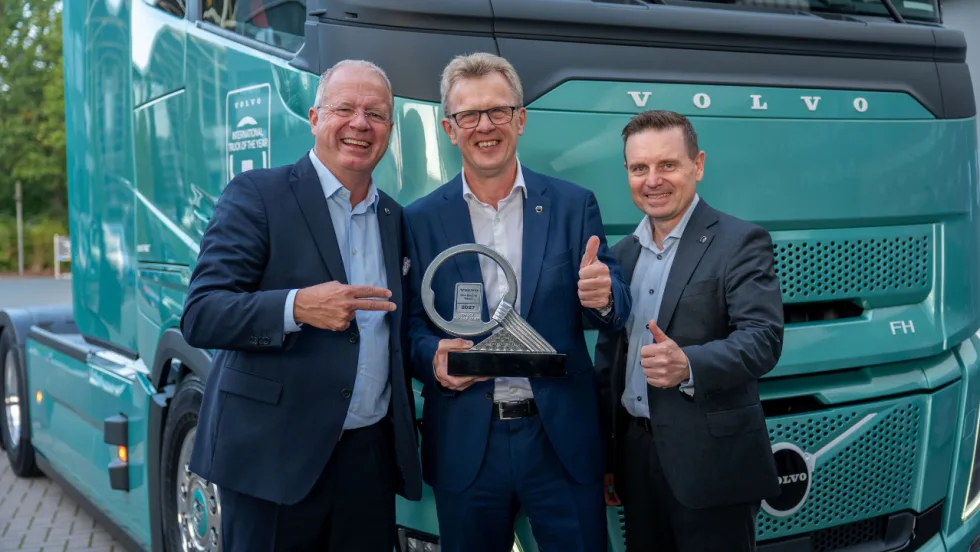
Volvo Trucks Wins International Truck of the Year 2027 for its Global Electric Range
Volvo Trucks' global heavy-duty electric range has been named International Truck of the Year 2027. Since 2019, more than 7,000 electric Volvo trucks have driven more than 310 million miles worldwide.
Read More →
Fleet Forward Conference Introduces One-Day Passes for 2026
New one-day registration gives fleet professionals the flexibility to attend Tuesday, Wednesday, or Thursday, with passes available for $199 through Sept. 18.
Read More →
CALSTART Rebrands as Catalyst Mobility, Will Combine with Forth in 2027
CALSTART has rebranded as Catalyst Mobility and will combine with Forth at the start of 2027. The new organization said it is poised to become one of the world's largest, strongest, and most impactful clean transportation nonprofits.
Read More →
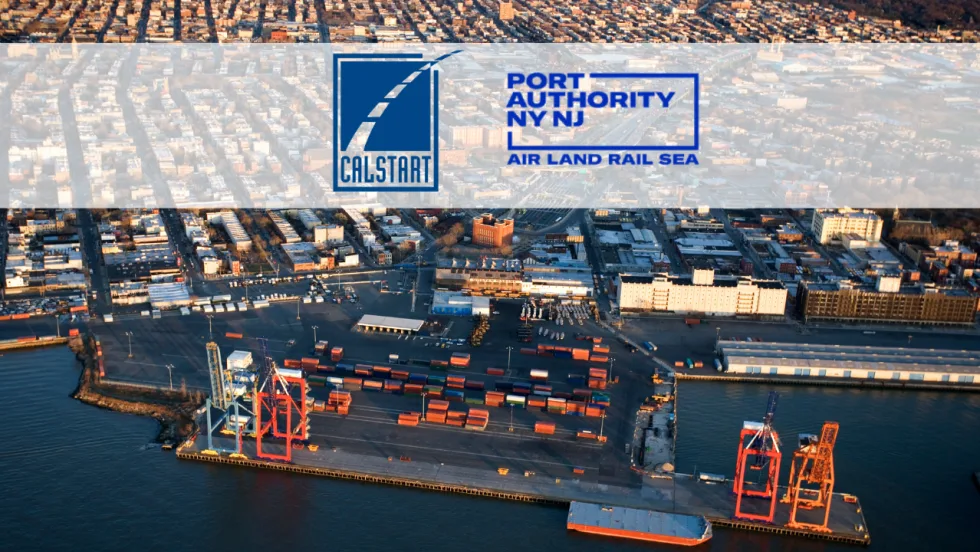
Electric Truck and Charging Programs to Boost Sustainability at NY & NJ Ports
Together, the Port Authority of New York and New Jersey and CALSTART will electrify drayage and terminal operations serving the East Coast’s busiest container port. A pair of incentive programs totaling $45 million has launched to accelerate adoption of zero-emission drayage trucks and terminal tractors.
Read More →
The Smart Way to Build a Mixed-Energy Fleet Isn’t About Picking a Side
Mixed-energy fleets aren’t about picking a winning fuel. Sarah Booth of WEX explains how vehicle data, duty cycles, charging strategy, and real-world costs can help fleets choose the right energy source for each job.
Read More →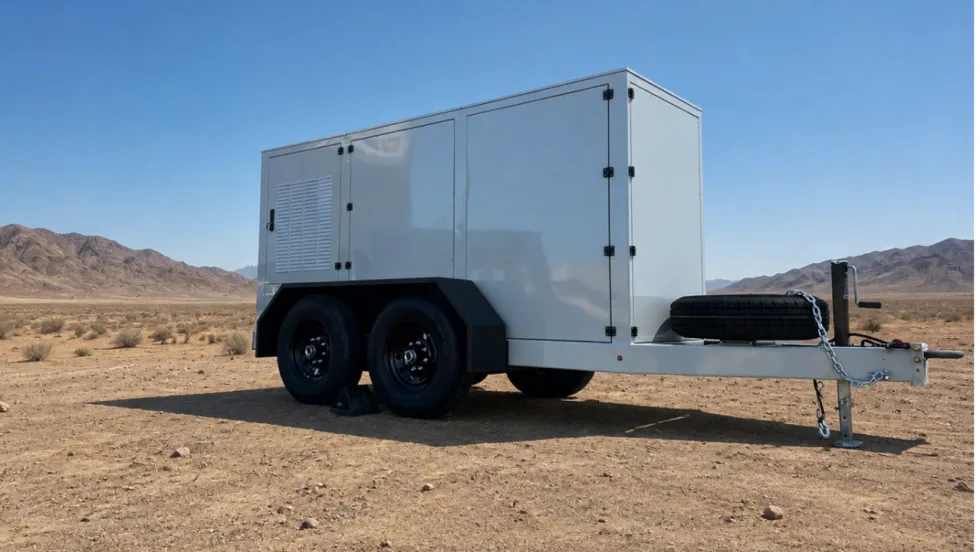
Xos Hub Surpasses One Gigawatt-Hour of Energy Delivered in the Field
A single Xos Hub has surpassed one gigawatt-hour of energy across more than 33,600 charging sessions in the field, demonstrating performance that supports Xos' expansion across new products and markets.
Read More →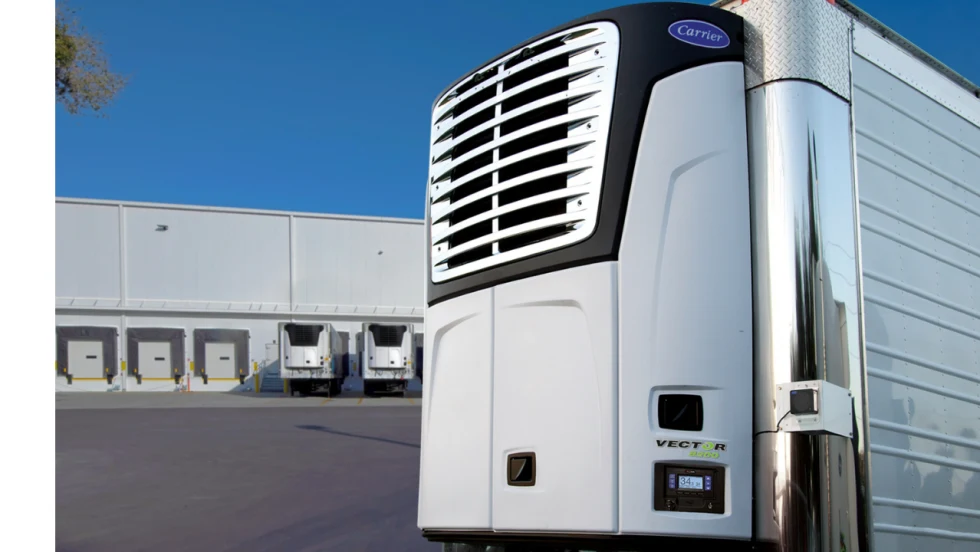
Carrier Transicold Launches All-Electric Vector 8200 TRU for Diesel-Free On-Site Cold Storage
Carrier Transicold’s first engineless multi-temperature TRU helps fresh- and frozen-food fleets add supplemental cold storage capacity during seasonal peaks.
Read More →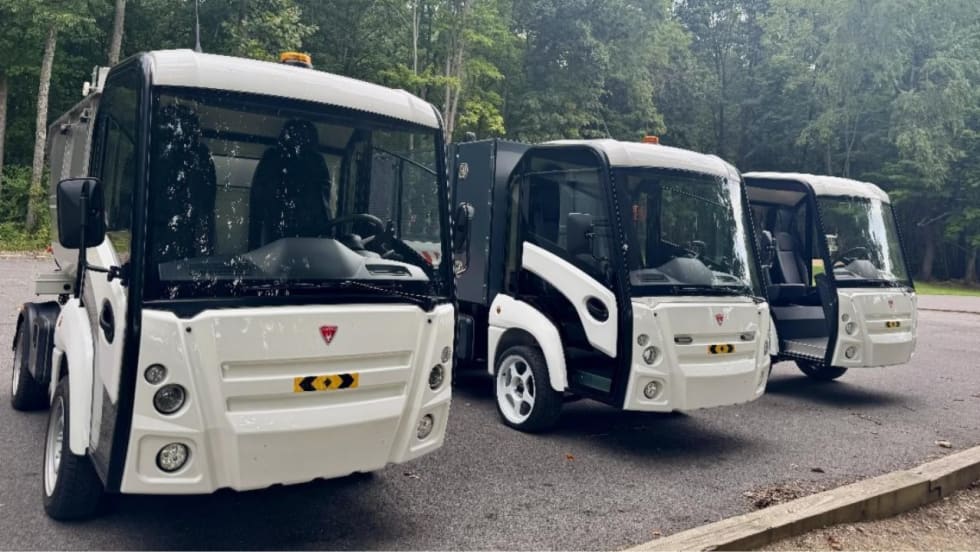
Narro Trucks Introduces Electric Utility Vehicle
Narro Trucks officially launched its operations on Aug. 20 and hosted a ride and drive to showcase its electric truck, which will be produced in Virginia.
Read More →
Samsung SDI Takes Full Control of GM Battery JV as Indiana Plant Pivots to Energy Storage
Samsung SDI is taking full control of its Indiana battery plant with GM, marking a major shift from the EV-focused joint venture Charged Fleet first covered in 2023.
Read More →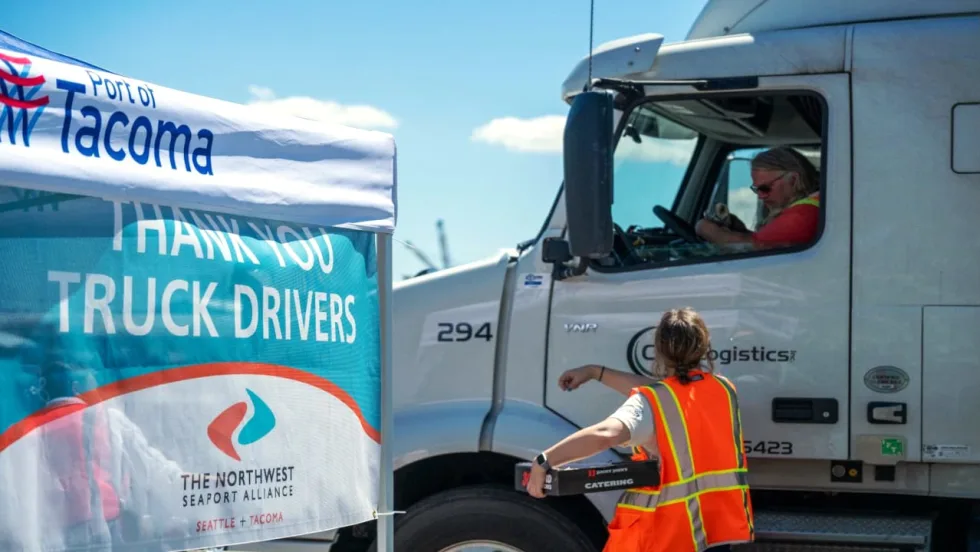
NWSA Taps CALSTART to Administer Zero-Emission Drayage Assistance Program
CALSTART will provide free technical assistance services to drayage fleets serving the Ports of Seattle and Tacoma and looking to transition to cleaner technologies and help decarbonize freight hubs.
Read More →