




Roush Propane-Powered F-150 Receives CARB Approval
With the CARB-approval in hand, Roush is now allowed to sell the propane F-150 trucks built by Roush in all 50-states.
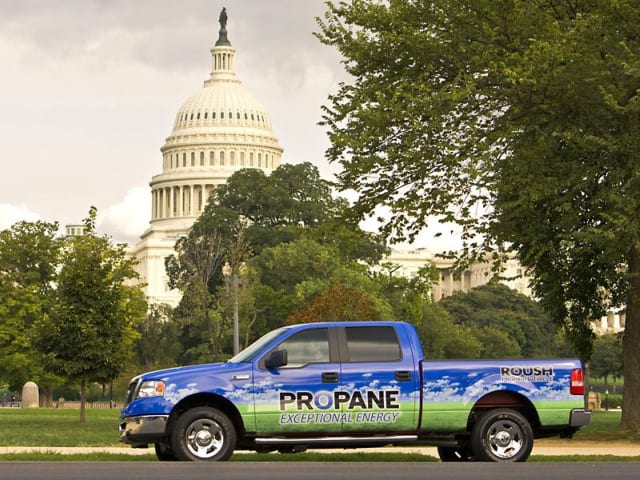
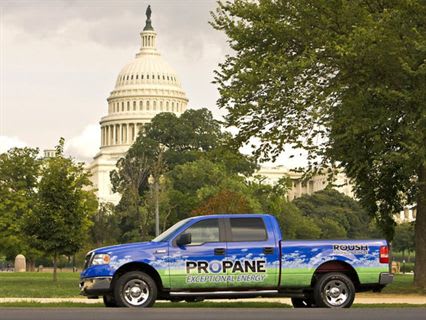
The California Air Resources Board (CARB) has granted approval to the Roush propane-powered F-150 pickup which means that it meets the strict emission standards of the state. This is the first propane-powered vehicle to receive On-Board Diagnostics II (OBD II) CARB-approval since the board enacted substantially stricter guidelines on light-duty vehicles for this alternative fuel in 2004.
CARB is the "clean air agency" in the state and has the stated goals of improving the air quality and reducing the public's exposure to air contaminants. Currently California is the only state with such a regulatory agency, but several others follow the CARB guidelines (this includes Connecticut, Maine, Massachusetts, Pennsylvania, Rhode Island, Vermont and New York).
With the CARB-approval in hand, Roush is now allowed to sell the propane F-150 trucks built by Roush in all 50-states. The CARB Executive Order (EO) for the Roush F-150 propane retail conversion kit will soon follow. This is valid for the 2007-1/2 and 2008 Ford F-150 pickup, and Roush is currently working on getting this same CARB approval for the upcoming 2010 propane-powered F-250 and F-350 trucks.
"Getting CARB approval for a propane vehicle is no simple process with the stricter regulations that were put in place in 2004. The fact that the Roush propane-powered F-150 is the first light duty vehicle to pass these regulations is a great source of pride to me, and is witness to the skills of our engineering, calibration, and emissions teams at Roush," said Jack Roush, chairman of Roush Enterprises and CEO/co-owner of Roush Fenway Racing.
Roush recently unveiled plans to market the 2010 F-250 and F-350 with a conversion to run on propane. This is good news to fleet users who now have the additional option of having medium- and heavy-duty trucks. Both trucks will be based on the 5.4L, V-8 engine platform. Among the components changed are the fuel tank with multi-valve fuel pump, stainless steel fuel lines, billet aluminum fuel rails, an upgraded custom Roush PCM calibration, and all necessary wiring, hardware and instructions.
Future Roush plans include converting the Ford E-Series vans to run on propane as well. Complete details on the ROUSH propane offerings can be found online at www.ROUSHperformance.com/Propane or by calling 800-59-ROUSH.
As an alternative fuel, propane offers a variety of advantages. It is available "right here, right now" with a national infrastructure already in place. Propane burns cleaner, with up to 20 percent less nitrous oxide, up to 60 percent less carbon monoxide and fewer particulate emissions. It is already the third most widely used fuel worldwide, following gasoline and diesel. Propane is 90 percent domestically produced, and as an alternate fuel, the purchase of propane-powered vehicles are eligible for a variety of federal, state, and municipal tax credits or rebates.
More Small Fleet

Developing Budget-Friendly Driver Safety Programs
From driver training and safety meetings to one-on-one coaching and incentive programs, several small fleets share how they have developed a safety culture with their drivers using low- to no-cost resources.
Read More →
Boosting Last-Mile Fleet Uptime, Safety, and Value with AI Vehicle Inspections
AI-powered inspections are transforming last-mile fleets by replacing manual checks with highly accurate automated scans that detect defects in seconds. By giving fleet operations visibility into the daily condition of their vehicles, you can identify trends over the vehicle’s lifecycle that enable improved procurement decisions, route management, driver training and accountability.
Read More →
Five Ways Seat Belts Help Prevent Injuries
There are five ways seat belts protect occupants from injuries, according to the Tennessee Department of Safety and Homeland Security.
Read More →
It’s here: The 2026 Fleet Technology Trends Report
What does AI mean for fleets? Get the answer — and learn other top tech trends.
Read More →
Small Fleets, Big Impact: How Independent Drivers Power Wreaths Across America
Check out how small fleets and independent drivers power Wreaths Across America each December and why their impact matters more than ever.
Read More →
VMS Survey Finds 65% of Small Fleet Managers Run Operations Alone
A new VMS survey shows small fleet managers are stretched thin, with most handling operations solo and eager to adopt digital tools for relief.
Read More →
Tips for Driving Safely on Halloween Night
This video features a reminder from the Connecticut Department of Transportation (DOT) and the Connecticut Police Chiefs Association, urging drivers to prioritize safety this Halloween.
Read More →
AI, Access, and Uptime: VMS’s Next Chapter with David Prusinski
VMS’s new Co-CEO, David Prusinski, shares how an AI-first approach will give small fleets and repair shops the tools to compete like big players.
Read More →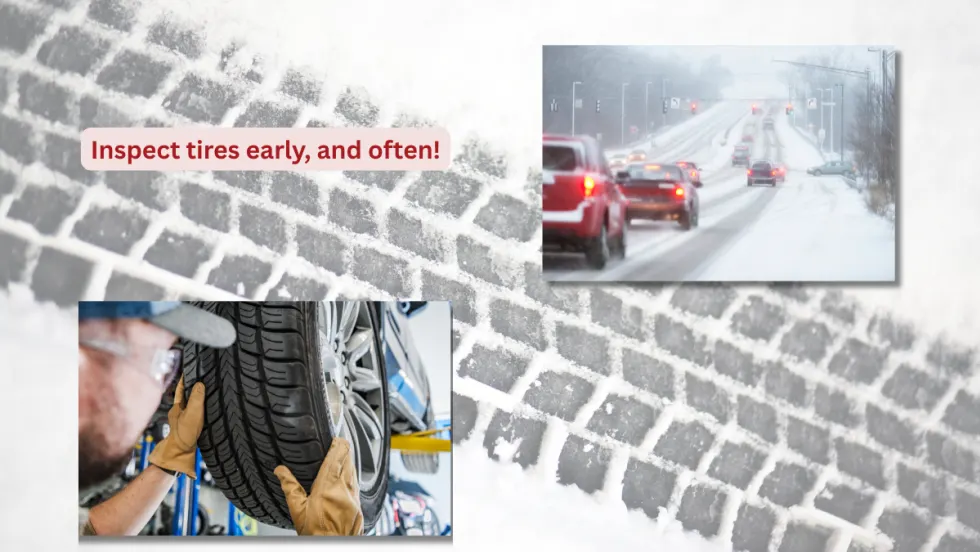
Fleet Managers Share Winter Prep Tips: It's Never Too Early!
Three fleets share best practices to prep vehicles for winter and prevent downtime when the cold sets in.
Read More →