




ROUSH CleanTech Hires Executive Director for Transit Fleet Sales
ROUSH CleanTech, an industry leader in propane autogas vehicle technology, announces the appointment of Randy Veenhoven as executive director of sales for public transit.
ROUSH CleanTech, an industry leader in propane autogas vehicle technology, announces the appointment of Randy Veenhoven as executive director of sales for public transit. Veenhoven will emphasize sustainability solutions for the public transit industry by evaluating their operations to incorporate vehicles fueled by economical, environmentally friendly and domestically produced propane autogas.
“Randy is a seasoned professional in the public transit industry, possessing a wealth of knowledge, experience and real-world connections,” said Todd Mouw, vice president of sales and marketing for ROUSH CleanTech. “The public transit industry is challenged to service a wide variety of local and urban transportation needs — not an easy task in today’s economic environment. Propane autogas is an ideal alternative fuel choice, as it substantially reduces operating, maintenance costs and emissions.”
Working with state departments of transportation, original equipment manufacturers, local public transit agencies and state transportation boards, Veenhoven has spent 25 years servicing the mass transit industry. He most recently acted as regional sales manager for USSC Group. For American Seating, located in Grand Rapids, his various assignments included regional sales, dealer development and education. He has served on several state transportation boards, including Florida, Michigan, Ohio and Wisconsin. Veenhoven’s alternative fuel experience includes hybrid bus sales for ISE Corp.
“I am happy to join ROUSH CleanTech and can’t wait to use my skills and strong network of contacts in the transit industry to promote this American-made, economical energy source,” said Veenhoven. “Plus, with the ROUSH CleanTech Ford E-450’s recent Altoona testing, transit agencies can apply for Federal Transit Administration funding to assist with conversion costs. That savings can then be used for operational expenses, providing a great solution for clean air and fuel economy.”
Many public transit agencies already have experienced the benefits of fueling with propane autogas. “Propane autogas is a good fit for us,” said Edgar Benning, general manager of Flint Mass Transportation Authority. “We anticipate purchasing propane fuel for half the price of diesel. It will reduce our dependency on diesel and drive down our cost of operation.”
In his new role at ROUSH CleanTech, Veenhoven will demonstrate how a typical public transit agency can expect to save more than $20,000 over the lifetime of each vehicle by choosing propane autogas instead of gasoline. The savings are even higher when compared to diesel, the standard fuel of choice in the transit industry.
About ROUSH CleanTech: Based in Livonia, Mich., ROUSH CleanTech offers dedicated liquid propane autogas fuel systems for a variety of light- and medium-duty Ford vans and trucks, and for the Blue Bird Propane-Powered Vision and Micro Bird G5 school bus. Currently offered through authorized Ford dealerships around the country, the ROUSH CleanTech propane autogas fuel system delivers the same factory Ford performance characteristics and serviceability with a 5-year/60,000-mile limited warranty. Customers can lower operating costs significantly while reducing vehicle emissions. Complete details on ROUSH CleanTech propane autogas offerings can be found online at ROUSHcleantech.com or by calling 800.59.ROUSH.
More Green Fleet

Fleet Forward Conference Introduces One-Day Passes for 2026
New one-day registration gives fleet professionals the flexibility to attend Tuesday, Wednesday, or Thursday, with passes available for $199 through Sept. 18.
Read More →
CALSTART Rebrands as Catalyst Mobility, Will Combine with Forth in 2027
CALSTART has rebranded as Catalyst Mobility and will combine with Forth at the start of 2027. The new organization said it is poised to become one of the world's largest, strongest, and most impactful clean transportation nonprofits.
Read More →
Electric Truck and Charging Programs to Boost Sustainability at NY & NJ Ports
Together, the Port Authority of New York and New Jersey and CALSTART will electrify drayage and terminal operations serving the East Coast’s busiest container port. A pair of incentive programs totaling $45 million has launched to accelerate adoption of zero-emission drayage trucks and terminal tractors.
Read More →
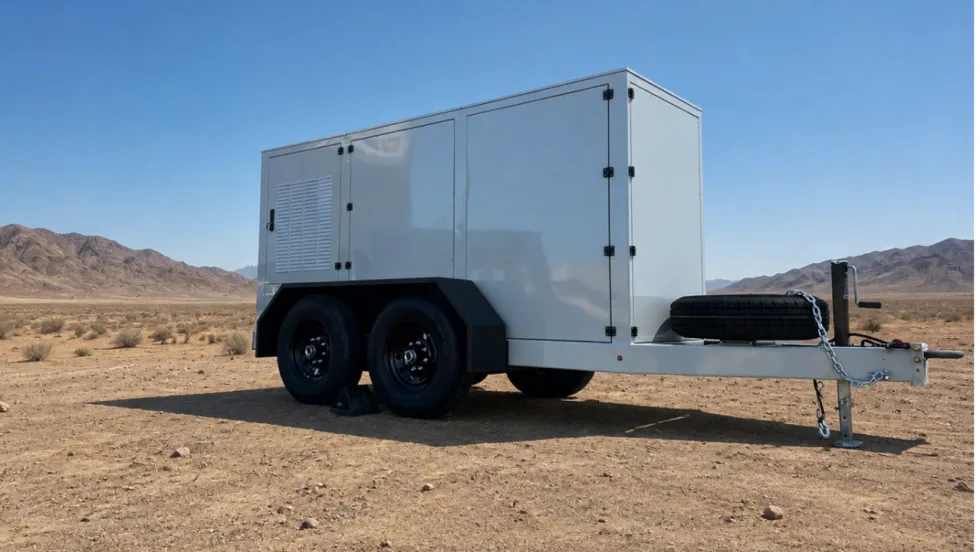
Xos Hub Surpasses One Gigawatt-Hour of Energy Delivered in the Field
A single Xos Hub has surpassed one gigawatt-hour of energy across more than 33,600 charging sessions in the field, demonstrating performance that supports Xos' expansion across new products and markets.
Read More →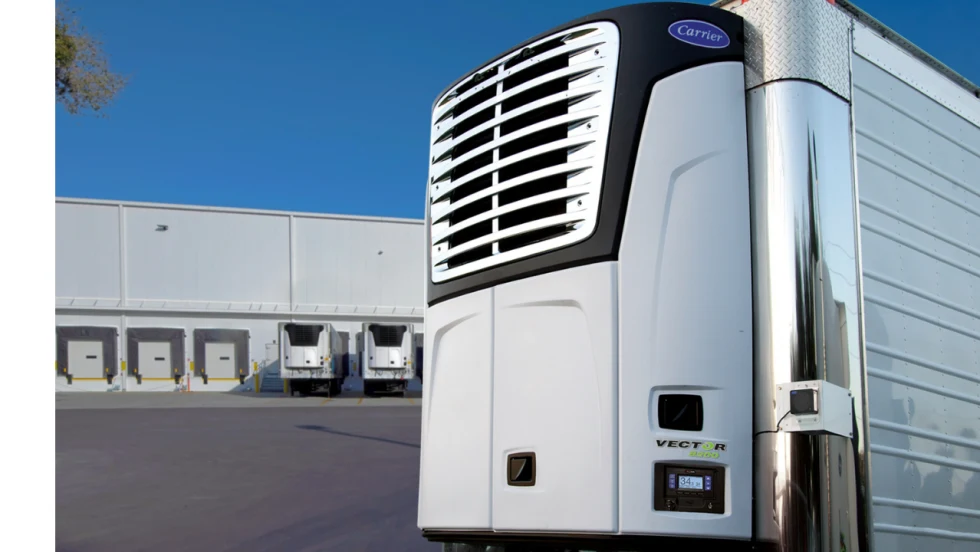
Carrier Transicold Launches All-Electric Vector 8200 TRU for Diesel-Free On-Site Cold Storage
Carrier Transicold’s first engineless multi-temperature TRU helps fresh- and frozen-food fleets add supplemental cold storage capacity during seasonal peaks.
Read More →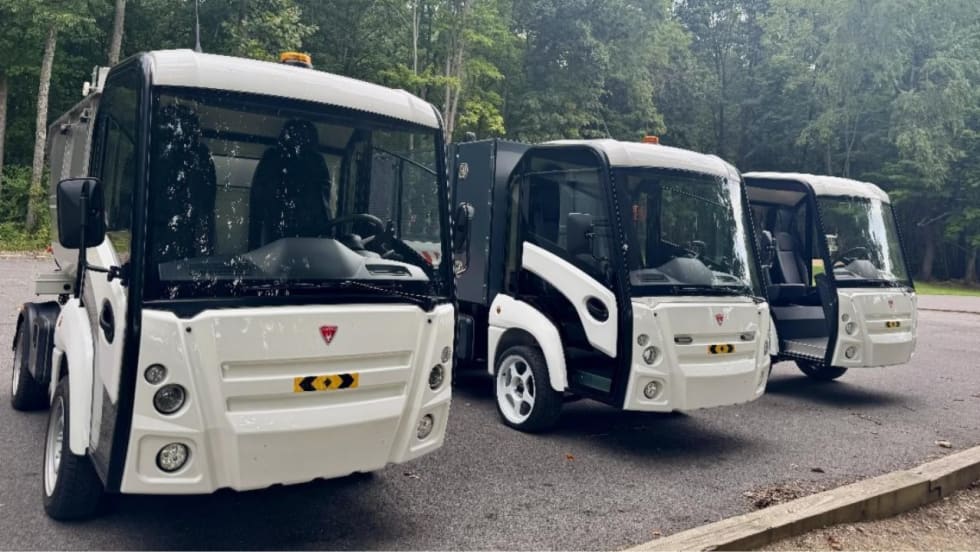
Narro Trucks Introduces Electric Utility Vehicle
Narro Trucks officially launched its operations on Aug. 20 and hosted a ride and drive to showcase its electric truck, which will be produced in Virginia.
Read More →
Samsung SDI Takes Full Control of GM Battery JV as Indiana Plant Pivots to Energy Storage
Samsung SDI is taking full control of its Indiana battery plant with GM, marking a major shift from the EV-focused joint venture Charged Fleet first covered in 2023.
Read More →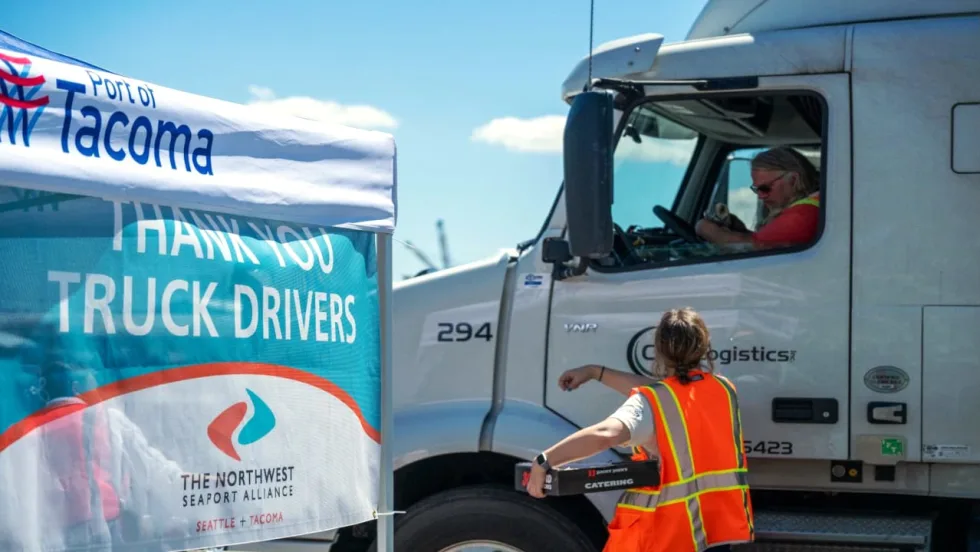
NWSA Taps CALSTART to Administer Zero-Emission Drayage Assistance Program
CALSTART will provide free technical assistance services to drayage fleets serving the Ports of Seattle and Tacoma and looking to transition to cleaner technologies and help decarbonize freight hubs.
Read More →
EV Fleet Reality Check: What Operators Wish They Knew Before Electrifying Their Work Vans
Electric work truck upfits bring new compatibility questions. Learn how parts availability, OEM guidance, power demands, and route planning can affect fleet performance.
Read More →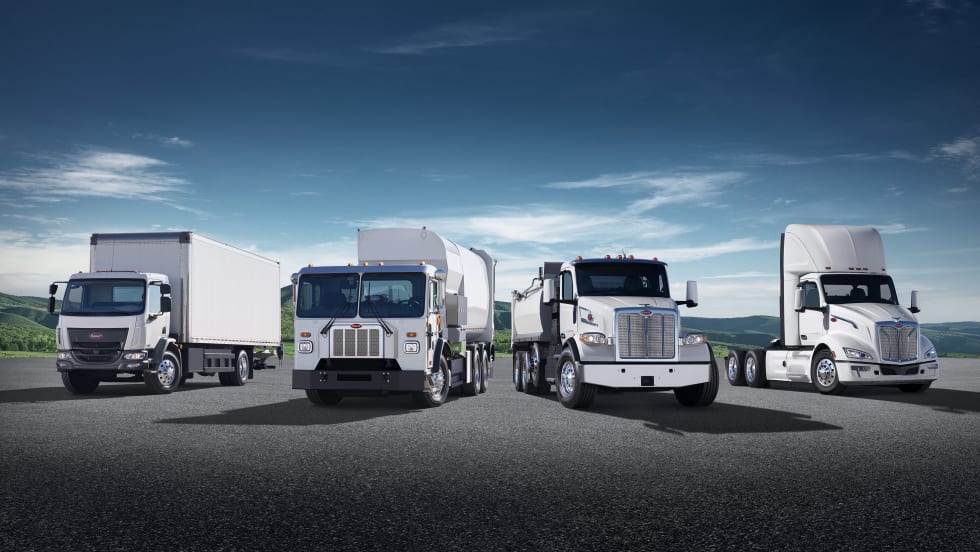
Peterbilt Expands Sourcewell Partnership with Electric Vehicle Lineup
Peterbilt Motors Company’s cooperative purchasing agreement with Sourcewell and its Canadian partner, Canoe Procurement Group, now includes including Peterbilt's battery-electric vehicle lineup.
Read More →