




Reynolds and Reynolds' NetworkcarT Granted Patent for Internet-based Smog Test
Networkcar, a Reynolds and Reynolds company, announced that it has been awarded a patent titled, "Wireless Diagnostic System for Characterizing a Vehicle's Exhaust Emissions" by the U.S. Patent and Trademark Office. United States patent number 6,604,033 describes a general method for extracting automotive emissions data, sending it over an airlink to the Internet, and then analyzing it to perform an online emissions or "smog test." This patent adds to Networkcar's growing patent portfolio, which currently features 19 pending and issued U.S patents, says the company. According to the company, Networkcar's system collects and organizes detailed automotive information directly from a vehicle's engine computer and location-based information from a global positioning system (GPS) device. Information is transmitted wirelessly to an information center where it is made available to car owners, automotive dealerships and fleets in the form of immediate e-mail alerts, summary e-mail reports or easy-to-read Web pages. Networkcar's technology is compatible with virtually all light and medium-duty vehicles manufactured since 1996. "Continuous emissions monitoring can eliminate many of the costs associated with managing physical inspection programs, as well as ease the burden on the driving public and potentially make a significant, positive impact on air quality," said Networkcar president Dave Dutch. "Our Internet-based smog test technology is currently being used in remote smog test programs in California and consumers have embraced it." In California, car owners with Networkcar-equipped vehicles can enroll in the Continuous Testing Pilot (CTP) program. By enrolling in the nation's first remote smog check program, car owners receive a convenient no-cost remote smog check and do not have to visit a physical inspection facility if their vehicle is running cleanly, says the company. If Networkcar detects an emissions problem, the car owner is notified immediately and they have 45 days to repair the problem. If a car owner does not have their car repaired during that time period, they are removed from the CTP program and placed back into the traditional inspection program. Most often, drivers continue to operate vehicles even when a diagnostic trouble code relating to the emission control system is generated; causing excess environmental pollution until the vehicle's next regularly scheduled Smog Check. In nearly all cases, high pollution levels persist even though the vehicle appears to function properly. Vehicles equipped with Networkcar systems are dynamically monitored and trouble codes are immediately reported to the motorist. This real-time reporting notifies motorists potentially years sooner than the next scheduled emissions inspection. Vehicles not performing repairs in a timely manner are removed from the program. Networkcar (www.networkcar.com) is a provider of around-the-clock services for monitoring the performance, location and security of consumer and fleet vehicles. The company features advanced performance monitoring technology and satellite-location systems that enable it to provide the most advanced solution for car maintenance and operation on the market today. Networkcar includes real-time car performance updates, Smart Roadside Assistance, stolen vehicle recovery services and Car Guardian, a feature that allows a car owner to find their car by accessing a secure Web page.
More Small Fleet


Developing Budget-Friendly Driver Safety Programs
From driver training and safety meetings to one-on-one coaching and incentive programs, several small fleets share how they have developed a safety culture with their drivers using low- to no-cost resources.
Read More →
Boosting Last-Mile Fleet Uptime, Safety, and Value with AI Vehicle Inspections
AI-powered inspections are transforming last-mile fleets by replacing manual checks with highly accurate automated scans that detect defects in seconds. By giving fleet operations visibility into the daily condition of their vehicles, you can identify trends over the vehicle’s lifecycle that enable improved procurement decisions, route management, driver training and accountability.
Read More →

Five Ways Seat Belts Help Prevent Injuries
There are five ways seat belts protect occupants from injuries, according to the Tennessee Department of Safety and Homeland Security.
Read More →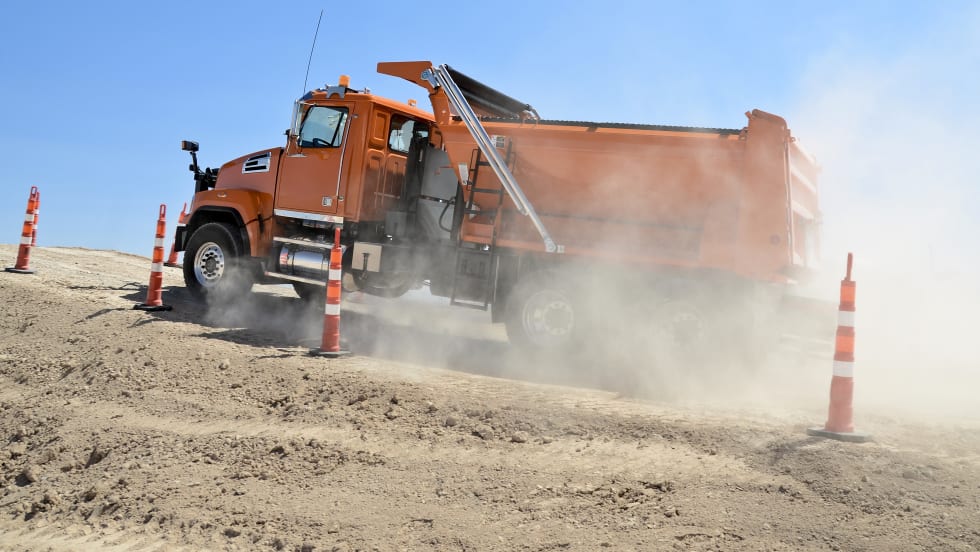
Basic Tracking vs Next Generation Fleet Technology
Fleet software is getting more sophisticated and effective than ever, tying big data models together to transform maintenance, safety, and the value of your existing tech stack. Fleet technology upgrades are undoubtedly an investment, but updated technology can offer a much higher return. Read how upgrading your fleet technology can increase the return on your investment.
Read More →
It’s here: The 2026 Fleet Technology Trends Report
What does AI mean for fleets? Get the answer — and learn other top tech trends.
Read More →
Small Fleets, Big Impact: How Independent Drivers Power Wreaths Across America
Check out how small fleets and independent drivers power Wreaths Across America each December and why their impact matters more than ever.
Read More →
VMS Survey Finds 65% of Small Fleet Managers Run Operations Alone
A new VMS survey shows small fleet managers are stretched thin, with most handling operations solo and eager to adopt digital tools for relief.
Read More →
Tips for Driving Safely on Halloween Night
This video features a reminder from the Connecticut Department of Transportation (DOT) and the Connecticut Police Chiefs Association, urging drivers to prioritize safety this Halloween.
Read More →
AI, Access, and Uptime: VMS’s Next Chapter with David Prusinski
VMS’s new Co-CEO, David Prusinski, shares how an AI-first approach will give small fleets and repair shops the tools to compete like big players.
Read More →