




Residents Battle Illegal Truck Traffic Across U.S.
Residents fight through truck traffic with rallies and petitions. Cities respond with fines and speed bumps. Some see illegal short cuts as "just business."
As truck drivers look for more ways to cut time off routes, residents are rallying against through truck traffic across the U.S. In Sunnyside, Queens, local civic leaders recently held a rally to protest illegal truck traffic on local streets, reported the New York Daily News. During the 45-minute protest, some 22 trucks, including seven 18-wheelers, rumbled over roads that are supposed to be limited to trucks making local stops. Councilman Eric Gioia said he had hoped to have a police presence on hand to ticket the illegal trucks, but they declined, in favor of setting up a checkpoint at a later date. Residents are complaining that the local roads were not made to carry such big trucks and that children are at risk. Truckers will be ticketed, but one resident said “its just a cost of doing business,” according to the Daily News story. Police in Clark County, Ky. sometimes monitor Kentucky 627 that has posted signs. But that involves following a truck some distance to confirm that it is indeed passing through, not stopping, and there are not enough officers to do so regularly, according to an opinion piece in the Winchester Sun. “Time may indeed be money for truckers, but ignoring the law jeopardizes the safety and well-being of area residents, and also causes needless wear and tear on residential streets,” the editorial stated. Dawn Presley, a Baltimore County resident, is so angry about illegal truck traffic that she sometimes steps into the road and stops trucks zooming by her house, according to a report on TheJeffersonian.com. Her insurance company has refused to pay a claim of a damaged house foundation, citing heavy truck traffic as the cause, the story says. The city has responded with speed humps and has started issuing tickets. Citizens of DeKalb County, IL have mobilized against a proposed truck route through a residential area by organizing a petition and creating a Web site, notruckroute.com, reports the DeKalb Daily Chronicle. Residents of Waynesville, NC say truck traffic from a rock quarry and asphalt plant is so bad they are afraid to use the sidewalks, a report in the Smoky Mountain News said. Trucks pass by every 30 seconds on average from dawn to dusk with intervals lasting only 60 seconds. The biggest concern in Waynesville is that the trucks use their Jake brakes. Those brakes emit more noise because they cut the flow of fuel to the engine. In New Mexico, a DOT engineer said that the majority of tractor-trailer drivers involved in crashes in residential Otero County are cutting through to other destinations, with no local delivery stops, reports the Alamagordo News. The engineer cited statistics that show of four big rig accidents in 2004, only one had a local stop scheduled. Of the three incidents to date in 2005, only one was making deliveries in Otero County. During the Queens rally Councilman Gioia conceded, "We need the goods and services that trucks provide, but truckers must obey truck routes and environmental laws. People should not have to smell truck exhaust or be awakened by the rumble of commercial trucks down the quiet residential streets where they live."
More Small Fleet


Developing Budget-Friendly Driver Safety Programs
From driver training and safety meetings to one-on-one coaching and incentive programs, several small fleets share how they have developed a safety culture with their drivers using low- to no-cost resources.
Read More →
Boosting Last-Mile Fleet Uptime, Safety, and Value with AI Vehicle Inspections
AI-powered inspections are transforming last-mile fleets by replacing manual checks with highly accurate automated scans that detect defects in seconds. By giving fleet operations visibility into the daily condition of their vehicles, you can identify trends over the vehicle’s lifecycle that enable improved procurement decisions, route management, driver training and accountability.
Read More →
Five Ways Seat Belts Help Prevent Injuries
There are five ways seat belts protect occupants from injuries, according to the Tennessee Department of Safety and Homeland Security.
Read More →
It’s here: The 2026 Fleet Technology Trends Report
What does AI mean for fleets? Get the answer — and learn other top tech trends.
Read More →
Small Fleets, Big Impact: How Independent Drivers Power Wreaths Across America
Check out how small fleets and independent drivers power Wreaths Across America each December and why their impact matters more than ever.
Read More →
VMS Survey Finds 65% of Small Fleet Managers Run Operations Alone
A new VMS survey shows small fleet managers are stretched thin, with most handling operations solo and eager to adopt digital tools for relief.
Read More →
Tips for Driving Safely on Halloween Night
This video features a reminder from the Connecticut Department of Transportation (DOT) and the Connecticut Police Chiefs Association, urging drivers to prioritize safety this Halloween.
Read More →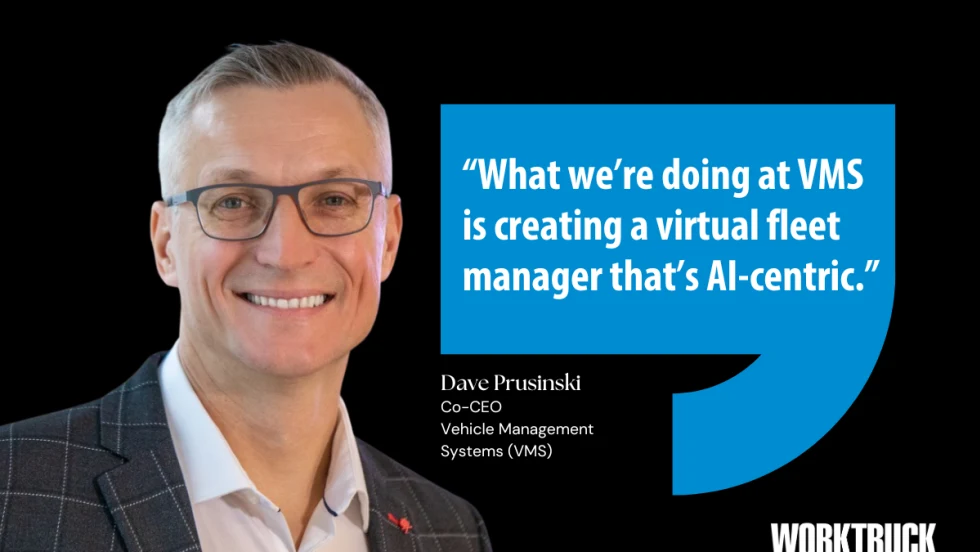
AI, Access, and Uptime: VMS’s Next Chapter with David Prusinski
VMS’s new Co-CEO, David Prusinski, shares how an AI-first approach will give small fleets and repair shops the tools to compete like big players.
Read More →
Fleet Managers Share Winter Prep Tips: It's Never Too Early!
Three fleets share best practices to prep vehicles for winter and prevent downtime when the cold sets in.
Read More →