




Report Finds More Natural Gas Vehicles Would Not Raise Natural Gas Prices
A new study from the American Clean Skies Foundation (ACSF) finds that a transition to natural gas-fueled heavy- and light-duty vehicles over the next decade will have a minimal impact on natural gas prices.
A new study from the American Clean Skies Foundation (ACSF) finds that a transition to natural gas-fueled heavy- and light-duty vehicles over the next decade will have a minimal impact on natural gas prices.
The report, “Driving on Natural Gas: Fuel Price and Demand Scenarios for Natural Gas Vehicles to 2025,” used three scenarios to calculate potential natural gas demand and price impacts attributable to natural gas vehicles (NGVs).
“We found that the estimated level of natural gas demand from NGVs, even under the most optimistic scenario, accounted for only about 2 percent of the overall market by 2025,” said Gregory Staple, ACSF’s CEO and co-author of the report. “And the incremental rise in fuel prices for this high growth scenario was only approximately 25 cents per MMBtu, or 5 percent.”
“That’s largely because we expect the growth in natural gas vehicles over the next decade to provide adequate time for supply and infrastructure developments to keep pace with demand, and thus to moderate any incremental natural gas price impact,” Staple added.
ACSF’s optimistic growth scenario included high adoption rates of both light- and heavy-duty NGVs. In this scenario, the transportation sector’s natural gas demand grew from 57 billion cubic feet (Bcf) in 2013 to 711 Bcf in 2025, which equates to roughly 2.3 percent of total demand that year. The scenario estimated roughly 2.4 million NGVs on the road by 2025, of which 480,000 are heavy duty trucks. The effect on 2025 natural gas prices across the scenarios ranged from an additional 3 cents to 27 cents per MMBtu.
The report highlights the opportunity to diversify America’s transportation sector away from petroleum-based fuels. In the report’s highest NGV growth scenario, more than 180 million barrels of petroleum fuels are displaced by natural gas in 2025 and almost 1 billion barrels of oil consumption avoided cumulatively from 2013-2025.
Report co-author Patrick Bean said, “Our analysis should give businesses, consumers, regulators and political leaders confidence that a plausible transition to NGVs can achieve energy security objectives while having minimal impact on natural gas prices and competition for the fuel.”
The report also found that retail prices for compressed natural gas (CNG) and liquefied natural gas (LNG) will remain attractive compared to diesel and gasoline even if natural gas prices increase significantly. Currently, about 20 percent of the retail CNG price is attributable to the raw natural gas cost. Even if natural gas prices double from $4/MMBtu to $8/MMBtu, the commodity component of retail CNG prices will be about 40 percent, and CNG will cost about $2.20 per gallon of gasoline equivalent.
ACSF retained Navigant Consulting, Inc. to partner in the scenario development and to conduct some of the analysis. The report includes data tables with assumptions and results.
Copies of the report can be downloaded at www.cleanskies.org/natural-gas-pricing.
Established in 2007, the American Clean Skies Foundation seeks to advance America’s energy independence and a cleaner, low-carbon environment through expanded use of natural gas, renewables, and efficiency. The Foundation is a not-for-profit organization.
More Small Fleet

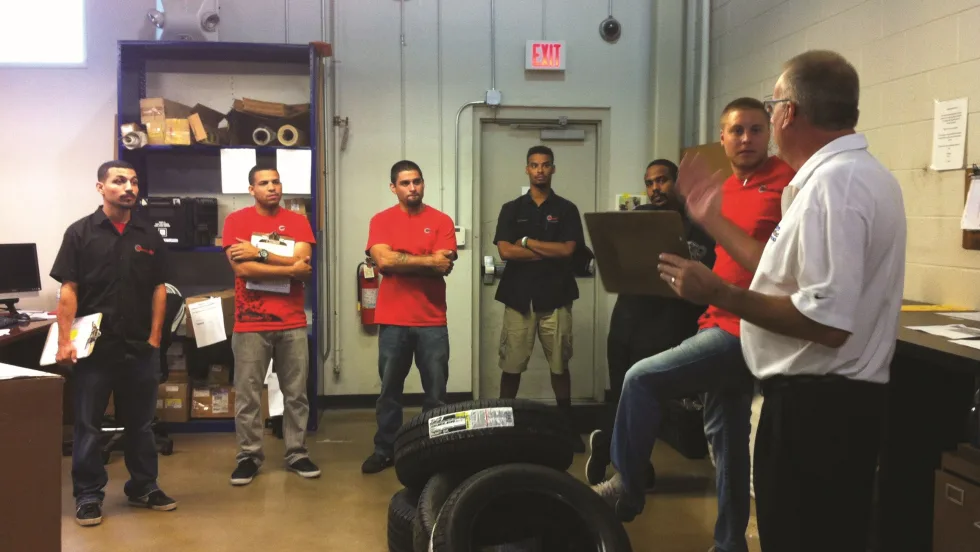
Developing Budget-Friendly Driver Safety Programs
From driver training and safety meetings to one-on-one coaching and incentive programs, several small fleets share how they have developed a safety culture with their drivers using low- to no-cost resources.
Read More →
Boosting Last-Mile Fleet Uptime, Safety, and Value with AI Vehicle Inspections
AI-powered inspections are transforming last-mile fleets by replacing manual checks with highly accurate automated scans that detect defects in seconds. By giving fleet operations visibility into the daily condition of their vehicles, you can identify trends over the vehicle’s lifecycle that enable improved procurement decisions, route management, driver training and accountability.
Read More →

Five Ways Seat Belts Help Prevent Injuries
There are five ways seat belts protect occupants from injuries, according to the Tennessee Department of Safety and Homeland Security.
Read More →
Basic Tracking vs Next Generation Fleet Technology
Fleet software is getting more sophisticated and effective than ever, tying big data models together to transform maintenance, safety, and the value of your existing tech stack. Fleet technology upgrades are undoubtedly an investment, but updated technology can offer a much higher return. Read how upgrading your fleet technology can increase the return on your investment.
Read More →
It’s here: The 2026 Fleet Technology Trends Report
What does AI mean for fleets? Get the answer — and learn other top tech trends.
Read More →
Small Fleets, Big Impact: How Independent Drivers Power Wreaths Across America
Check out how small fleets and independent drivers power Wreaths Across America each December and why their impact matters more than ever.
Read More →
VMS Survey Finds 65% of Small Fleet Managers Run Operations Alone
A new VMS survey shows small fleet managers are stretched thin, with most handling operations solo and eager to adopt digital tools for relief.
Read More →
Tips for Driving Safely on Halloween Night
This video features a reminder from the Connecticut Department of Transportation (DOT) and the Connecticut Police Chiefs Association, urging drivers to prioritize safety this Halloween.
Read More →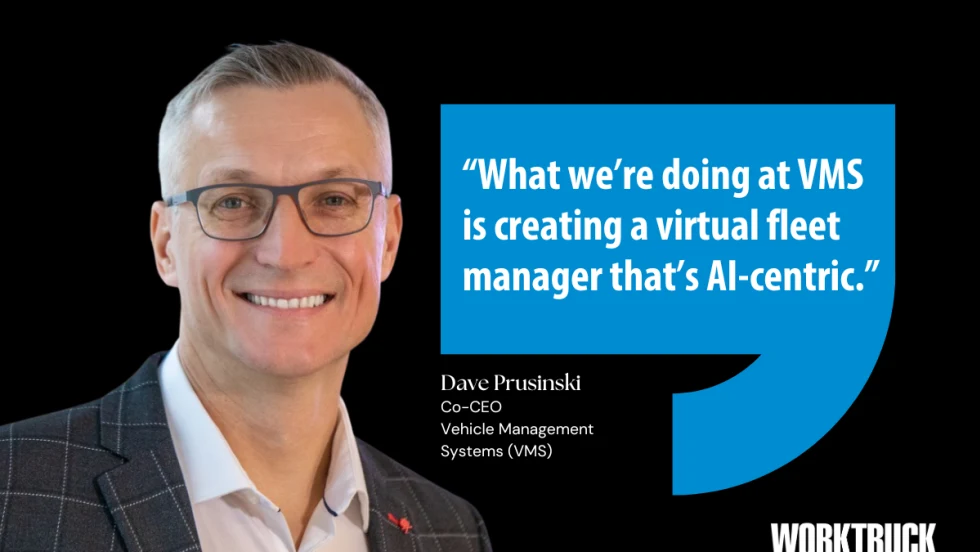
AI, Access, and Uptime: VMS’s Next Chapter with David Prusinski
VMS’s new Co-CEO, David Prusinski, shares how an AI-first approach will give small fleets and repair shops the tools to compete like big players.
Read More →