





Learn More: Everything You Need to Know About California’s New Zero-Emission Fleet Rules
REE Automotive P7-C Receives CARB Certifications
REE Automotive’s Class 4 P7-C has received CARB Phase 2 greenhouse gas certification and the new Zero Emission Powertrain certification.
March 25, 2024
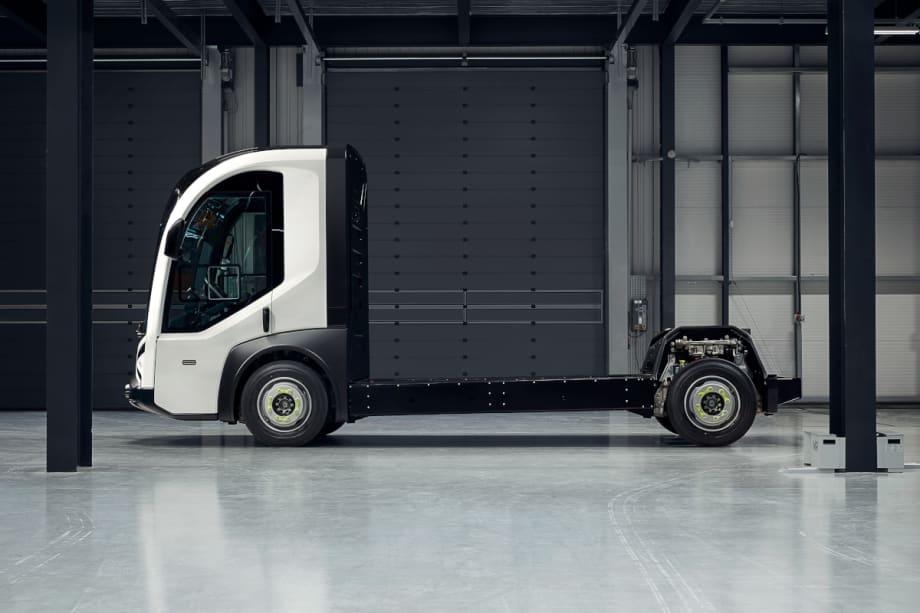
The REE Automotive P7-C electric truck platform features a chassis with a flat design for ease of upfit.
Photo: REE Automotive
2 min to read
REE Automotive, a provider of full by-wire electric trucks and platforms, has received two certifications from the California Air Resources Board on the Class 4 P7-C chassis cab. The two certifications include Phase 2 Greenhouse Gas (GHG) covering the complete vehicle and the new Zero Emission Powertrain (ZEP) certification.
The company said in addition to California, several other states are expected to adopt the Phase 2 GHG and ZEP requirements in the coming years. REE had already announced it had received Federal Motor Vehicle Safety Standards (FMVSS) and Environmental Protection Agency (EPA) certifications.
What CARB Certification Means for REE
CARB certification is a requirement for eligibility for several state incentives, which combined with federal incentives can total more than $100,000 per vehicle depending on customer location. California and several other states have indicated plans to adopt the Advanced Clean Truck Regulation, a manufacturer's sales requirement to sell growing percentages of electric trucks that also requires ZEP certification.
“Being CARB certified unlocks many doors for us and for our customers as we can now sell in California,” said Daniel Barel, CEO and co-founder of REE Automotive. “This is an important milestone since now Powered by REE vehicles can receive more than $100,000 incentive funding which makes it even easier for fleets to electrify. We believe that this cost savings, combined with our REEcorner and x-by-wire technology’s ability to lower total cost of ownership, will boost even further the strong demand we see for our P7 lineup.”
REE said the P7-C has already achieved FMVSS and EPA certification, making it the first U.S. FMVSS-certified fully by-wire vehicle.
How the REE P7-C Works
Vehicles powered by REE are equipped with the REEcorner, which packs critical vehicle components (steering, braking, suspension, powertrain, and control) into a single compact module positioned between the chassis and the wheel.
REE’s proprietary by-wire technology for drive, steer, and brake control eliminates the need for mechanical connection. Using four iden6cal REEcorners enabled REE to make what the company calls the industry’s flattest EV platforms with more room for passengers, cargo, and batteries.
More Green Fleet

Fleet Forward Conference Introduces One-Day Passes for 2026
New one-day registration gives fleet professionals the flexibility to attend Tuesday, Wednesday, or Thursday, with passes available for $199 through Sept. 18.
Read More →
CALSTART Rebrands as Catalyst Mobility, Will Combine with Forth in 2027
CALSTART has rebranded as Catalyst Mobility and will combine with Forth at the start of 2027. The new organization said it is poised to become one of the world's largest, strongest, and most impactful clean transportation nonprofits.
Read More →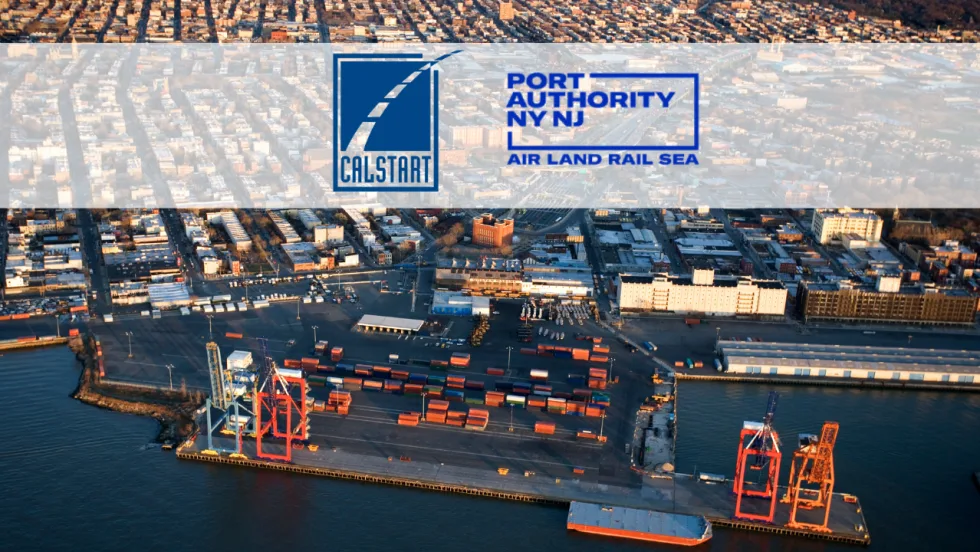
Electric Truck and Charging Programs to Boost Sustainability at NY & NJ Ports
Together, the Port Authority of New York and New Jersey and CALSTART will electrify drayage and terminal operations serving the East Coast’s busiest container port. A pair of incentive programs totaling $45 million has launched to accelerate adoption of zero-emission drayage trucks and terminal tractors.
Read More →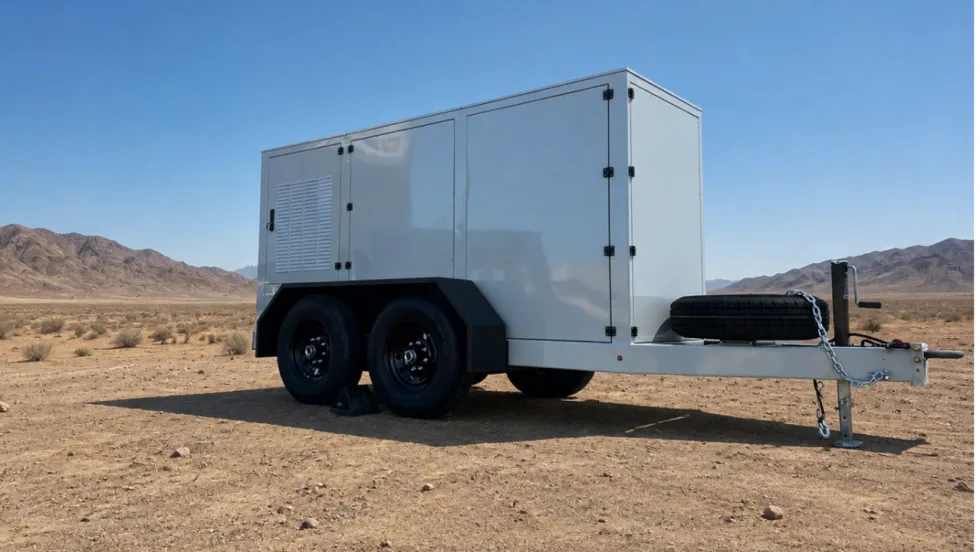
Xos Hub Surpasses One Gigawatt-Hour of Energy Delivered in the Field
A single Xos Hub has surpassed one gigawatt-hour of energy across more than 33,600 charging sessions in the field, demonstrating performance that supports Xos' expansion across new products and markets.
Read More →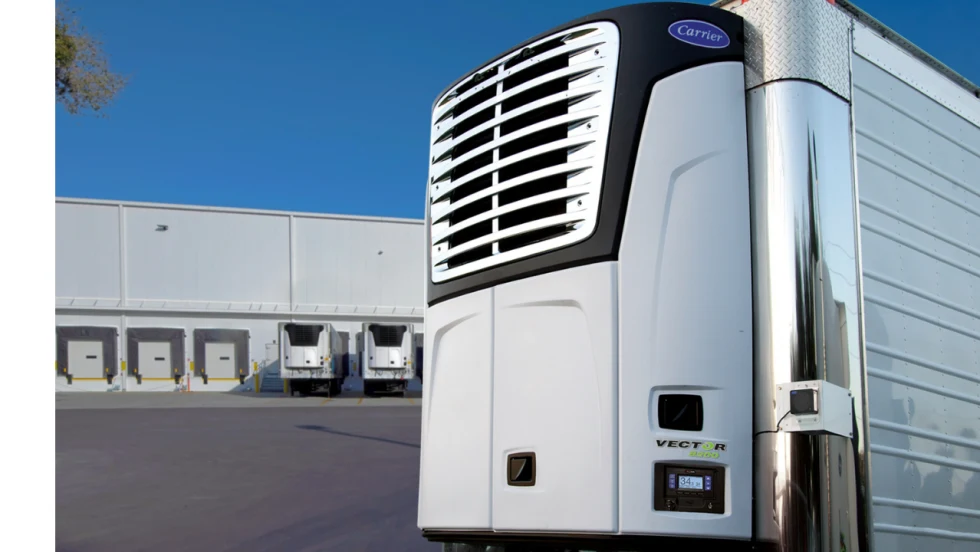
Carrier Transicold Launches All-Electric Vector 8200 TRU for Diesel-Free On-Site Cold Storage
Carrier Transicold’s first engineless multi-temperature TRU helps fresh- and frozen-food fleets add supplemental cold storage capacity during seasonal peaks.
Read More →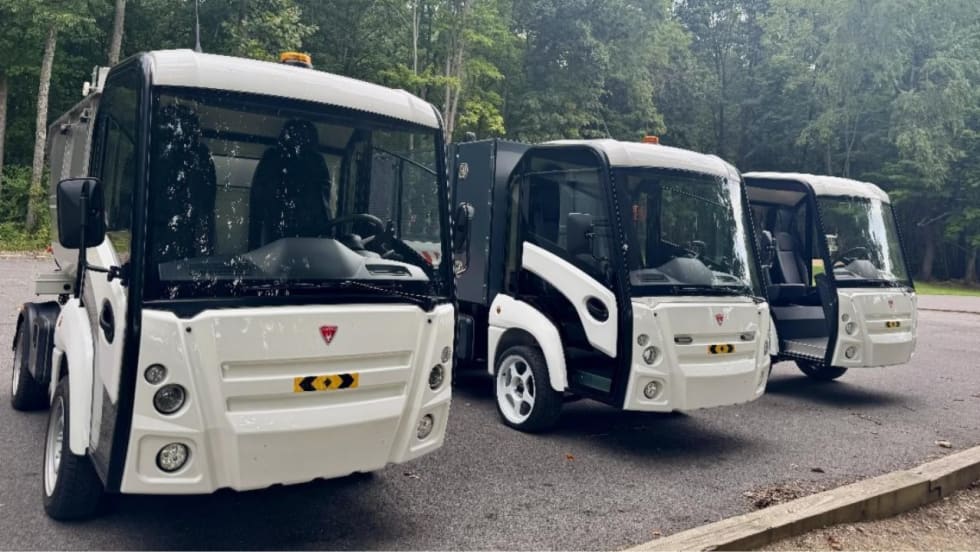
Narro Trucks Introduces Electric Utility Vehicle
Narro Trucks officially launched its operations on Aug. 20 and hosted a ride and drive to showcase its electric truck, which will be produced in Virginia.
Read More →
Samsung SDI Takes Full Control of GM Battery JV as Indiana Plant Pivots to Energy Storage
Samsung SDI is taking full control of its Indiana battery plant with GM, marking a major shift from the EV-focused joint venture Charged Fleet first covered in 2023.
Read More →
NWSA Taps CALSTART to Administer Zero-Emission Drayage Assistance Program
CALSTART will provide free technical assistance services to drayage fleets serving the Ports of Seattle and Tacoma and looking to transition to cleaner technologies and help decarbonize freight hubs.
Read More →
EV Fleet Reality Check: What Operators Wish They Knew Before Electrifying Their Work Vans
Electric work truck upfits bring new compatibility questions. Learn how parts availability, OEM guidance, power demands, and route planning can affect fleet performance.
Read More →
Peterbilt Expands Sourcewell Partnership with Electric Vehicle Lineup
Peterbilt Motors Company’s cooperative purchasing agreement with Sourcewell and its Canadian partner, Canoe Procurement Group, now includes including Peterbilt's battery-electric vehicle lineup.
Read More →