




Proposed Calif. Diesel Rules May Cost Billions
The proposed rules call for the highest level of particulate matter control technology available and NOx emissions from every diesel-powered vehicle to be equal to or less than exhaust emissions from a 2007 model-year engine.
Proposed regulations by the state Air Resources Board aimed at reducing emissions from diesel engines, including those used in agriculture, will impact about 400,000 California, on-road diesel vehicles and about another 1.2 million from outside the state, the California Farm Bureau Association’s Ag Alert reports.
The proposed rules call for the highest level of particulate matter control technology available and NOx emissions from every diesel-powered vehicle to be equal to or less than exhaust emissions from a 2007 model-year engine. Because so many agricultural vehicles are highly customized, are operated seasonally and often remain within a limited geographic range, farm equipment usually is older than that of commercial transport fleets.
It is common for agricultural vehicles to be kept in operation for several years--sometimes decades longer than fleet-operated, long-haul trucks. As proposed, for pre-2004 engine models, NOx exhaust emissions must be reduced by at least 70 percent to be equivalent to an engine that meets the 2007 federal emissions standards for heavy-duty diesel-fueled engines.
For 2004 to 2006 engines, NOx exhaust emissions must be reduced by at least 40 percent to be equivalent to an engine that meets the 2007 federal standards. No economic analysis has been conducted, but preliminary estimates put the cost of this rule at more than $50 billion.
Some say the ARB's proposed regulations, as currently drafted, are too costly and changes to the proposal are necessary to provide for low-use exemptions, one-time replacements and incentives. According to the Ag Alert, the ARB proposal currently sets an exemption threshold of 1,000 miles and 100 hours, which agricultural associations, including CFBF and county Farm Bureaus, say is unreasonable.
They stressed that it's not cost-effective to replace or retrofit trucks used infrequently or for short periods of time during the year. To fill out a diesel truck survey online, click here.
More Small Fleet

Developing Budget-Friendly Driver Safety Programs
From driver training and safety meetings to one-on-one coaching and incentive programs, several small fleets share how they have developed a safety culture with their drivers using low- to no-cost resources.
Read More →
Boosting Last-Mile Fleet Uptime, Safety, and Value with AI Vehicle Inspections
AI-powered inspections are transforming last-mile fleets by replacing manual checks with highly accurate automated scans that detect defects in seconds. By giving fleet operations visibility into the daily condition of their vehicles, you can identify trends over the vehicle’s lifecycle that enable improved procurement decisions, route management, driver training and accountability.
Read More →
Five Ways Seat Belts Help Prevent Injuries
There are five ways seat belts protect occupants from injuries, according to the Tennessee Department of Safety and Homeland Security.
Read More →
It’s here: The 2026 Fleet Technology Trends Report
What does AI mean for fleets? Get the answer — and learn other top tech trends.
Read More →
Small Fleets, Big Impact: How Independent Drivers Power Wreaths Across America
Check out how small fleets and independent drivers power Wreaths Across America each December and why their impact matters more than ever.
Read More →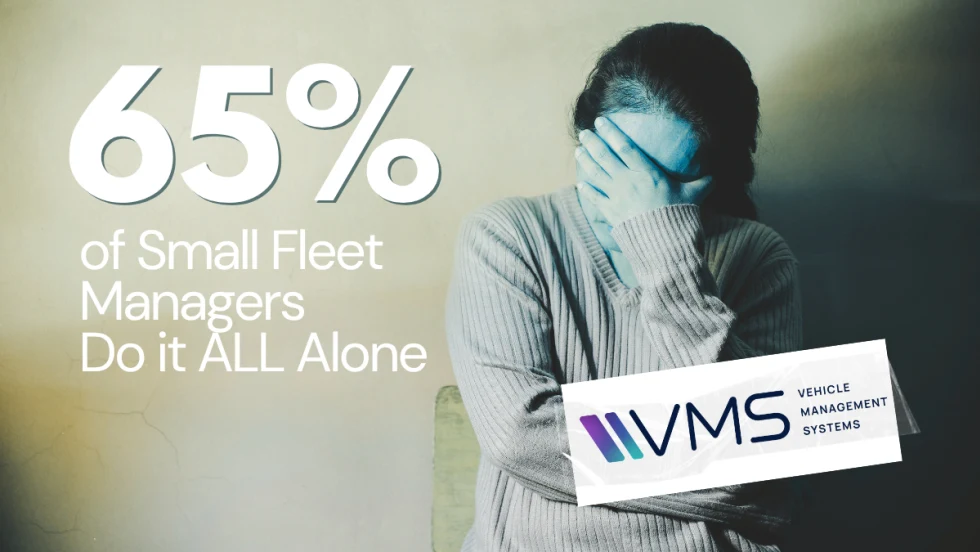
VMS Survey Finds 65% of Small Fleet Managers Run Operations Alone
A new VMS survey shows small fleet managers are stretched thin, with most handling operations solo and eager to adopt digital tools for relief.
Read More →
Tips for Driving Safely on Halloween Night
This video features a reminder from the Connecticut Department of Transportation (DOT) and the Connecticut Police Chiefs Association, urging drivers to prioritize safety this Halloween.
Read More →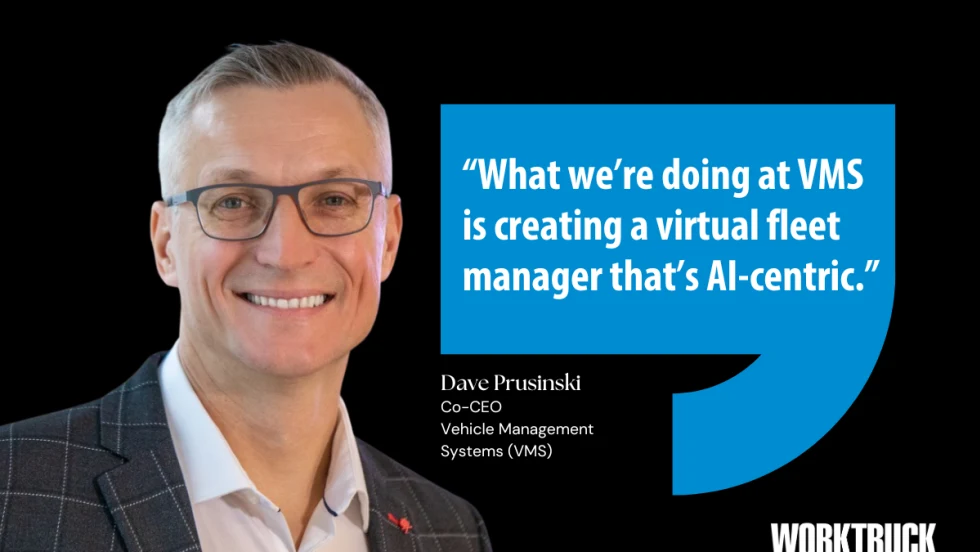
AI, Access, and Uptime: VMS’s Next Chapter with David Prusinski
VMS’s new Co-CEO, David Prusinski, shares how an AI-first approach will give small fleets and repair shops the tools to compete like big players.
Read More →
Fleet Managers Share Winter Prep Tips: It's Never Too Early!
Three fleets share best practices to prep vehicles for winter and prevent downtime when the cold sets in.
Read More →