




Propane Autogas Exclusion in U.S. Senate Bills a Disservice to National Energy Policy
LIVONIA, MI - Alternative-fuel vehicle technologies are everywhere and come in many different shapes and forms. Where these many different technologies are lacking a presence, however, is in a number of new pieces of legislation currently up for debate in the United States Senate.
LIVONIA, MI - Without question, any effort to reduce America's dependence on imported oil is worthwhile. Alternative-fuel vehicle technologies are everywhere and come in many different shapes and forms. Where these many different technologies are lacking a presence, however, is in a number of new pieces of legislation currently up for debate in the United States Senate.
ROUSH CleanTech has strong concerns regarding U.S. Senate Bills S.3495 and S.3815, titled "Promoting Natural Gas and Electric Vehicles Act of 2010" and "Promoting Electric Vehicles Act of 2010," respectively, as they both exclude propane (referred to globally as autogas when used as a vehicle fuel) and other forms of alternative engine fuels.
"It is extremely disappointing to see commercially viable and readily available alternative fuel choices such as propane excluded from S.3815 and S.3495. Propane autogas is an alternative fuel just as American as apple pie, baseball and NASCAR racing," said Jack Roush, motorsports legend and chairman of ROUSH Enterprises. "Ninety percent of propane comes from domestic sources, and as propane autogas becomes further adopted as an engine fuel, it will help reduce the importation of foreign oil and put some of our unemployed back to work.
"Furthermore, propane autogas is already the third most commonly used engine fuel worldwide, behind gasoline and diesel, proving its acceptance and viability. Propane autogas historically costs around 30 percent less than gasoline, and is as clean as natural gas, but without the harmful methane emissions. Propane is available 'right here, right now,' and I feel that any alternative fuel legislation would do our country an injustice if it were to pass into law without including propane autogas, and for that matter, all alternative fuels, in the legislation," Roush added.
"While we commend the goals of S.3815 and S.3495 to reduce our dependence on foreign oil, we are disappointed that it does not support the inclusion of all alternative fuels," said Joe Thompson, president of ROUSH CleanTech, the alternative fuels arm of ROUSH Enterprises. "As outlined by some of our country's energy leaders, including T. Boone Pickens, in order for our country to meet the national energy policy goals that have been set, all domestic sources of energy must be considered when creating new government incentives for alternative fuel adoption. Modifying this legislation to include propane autogas and other alternative fuels would broaden the impact of the legislation."
"The government should not be in the business of picking the winners when it comes to alternative motor fuels. Senate Majority Leader Harry Reid made this point earlier this year at his own Las Vegas Energy Summit. I implore Senator Reid to follow his own advice when evaluating these narrowly-defined pieces of legislation, and I ask Americans to write their Congressional representatives to demand inclusion of all alternative fuels in this and all future legislation," said Thompson.
As an alternative fuel, propane autogas offers a variety of advantages. Propane autogas burns cleaner than gasoline or diesel, with up to 20 percent less nitrogen oxide, up to 60 percent less carbon monoxide, 24 percent fewer greenhouse gas emissions, and fewer particulate emissions when compared to gasoline ("Propane Reduces GHG Emissions," Energetics Study, 2009). With more than 14 million vehicles currently running on propane autogas, it already has a proven track record for safe and reliable transportation use. Propane autogas also plays a strong role in lowering our national dependence on imported oil as 97 percent of the propane used today is processed and refined in America and Canada. A national infrastructure of 56,000 miles of pipeline and more than 2,500 refueling stations is in place. And the cost of adding a propane autogas fueling station is comparable to a gasoline station.
Numerous studies have been conducted on the operational savings fleets can achieve by converting to propane autogas as an engine fuel. A savings calculator is available online at www.SwitchToAutogas.com, which allows users to input variables specific to their usage and see first-hand the savings that propane autogas can provide. Fleet managers may see a reduction in operating costs of 30 percent or more per vehicle, depending on application.
To support the effort to include propane autogas in legislative bills, please visit www.SwitchToAutogas.com for information on how to get involved.
More Green Fleet

Fleet Forward Conference Introduces One-Day Passes for 2026
New one-day registration gives fleet professionals the flexibility to attend Tuesday, Wednesday, or Thursday, with passes available for $199 through Sept. 18.
Read More →
CALSTART Rebrands as Catalyst Mobility, Will Combine with Forth in 2027
CALSTART has rebranded as Catalyst Mobility and will combine with Forth at the start of 2027. The new organization said it is poised to become one of the world's largest, strongest, and most impactful clean transportation nonprofits.
Read More →
Electric Truck and Charging Programs to Boost Sustainability at NY & NJ Ports
Together, the Port Authority of New York and New Jersey and CALSTART will electrify drayage and terminal operations serving the East Coast’s busiest container port. A pair of incentive programs totaling $45 million has launched to accelerate adoption of zero-emission drayage trucks and terminal tractors.
Read More →
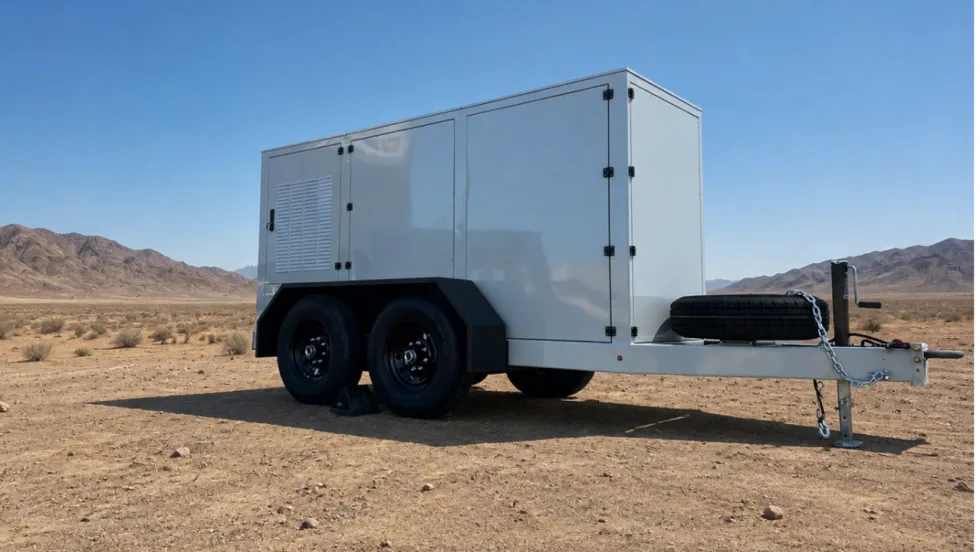
Xos Hub Surpasses One Gigawatt-Hour of Energy Delivered in the Field
A single Xos Hub has surpassed one gigawatt-hour of energy across more than 33,600 charging sessions in the field, demonstrating performance that supports Xos' expansion across new products and markets.
Read More →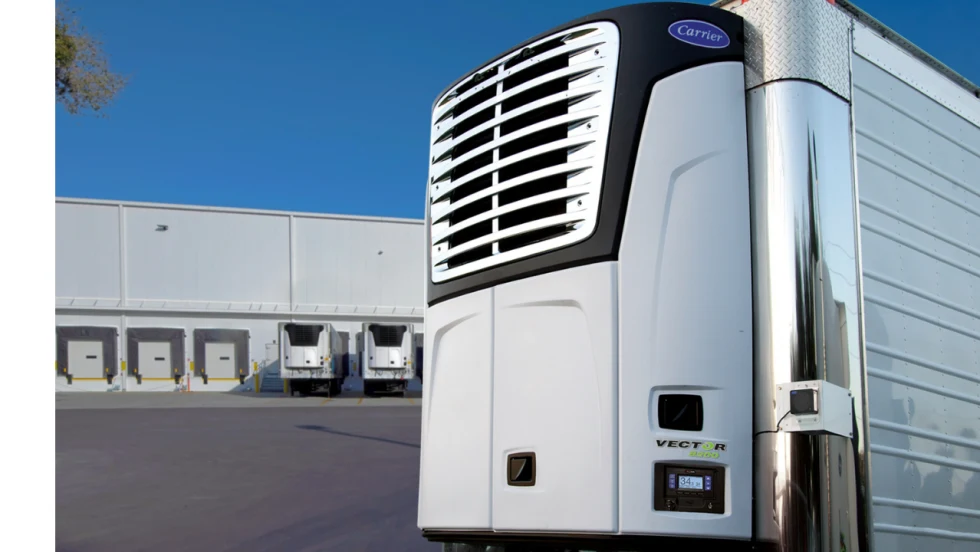
Carrier Transicold Launches All-Electric Vector 8200 TRU for Diesel-Free On-Site Cold Storage
Carrier Transicold’s first engineless multi-temperature TRU helps fresh- and frozen-food fleets add supplemental cold storage capacity during seasonal peaks.
Read More →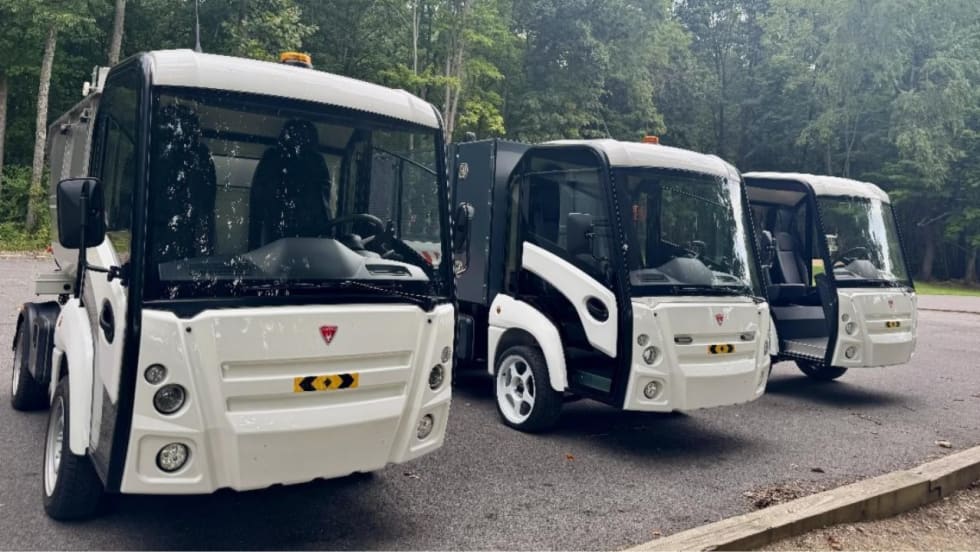
Narro Trucks Introduces Electric Utility Vehicle
Narro Trucks officially launched its operations on Aug. 20 and hosted a ride and drive to showcase its electric truck, which will be produced in Virginia.
Read More →
Samsung SDI Takes Full Control of GM Battery JV as Indiana Plant Pivots to Energy Storage
Samsung SDI is taking full control of its Indiana battery plant with GM, marking a major shift from the EV-focused joint venture Charged Fleet first covered in 2023.
Read More →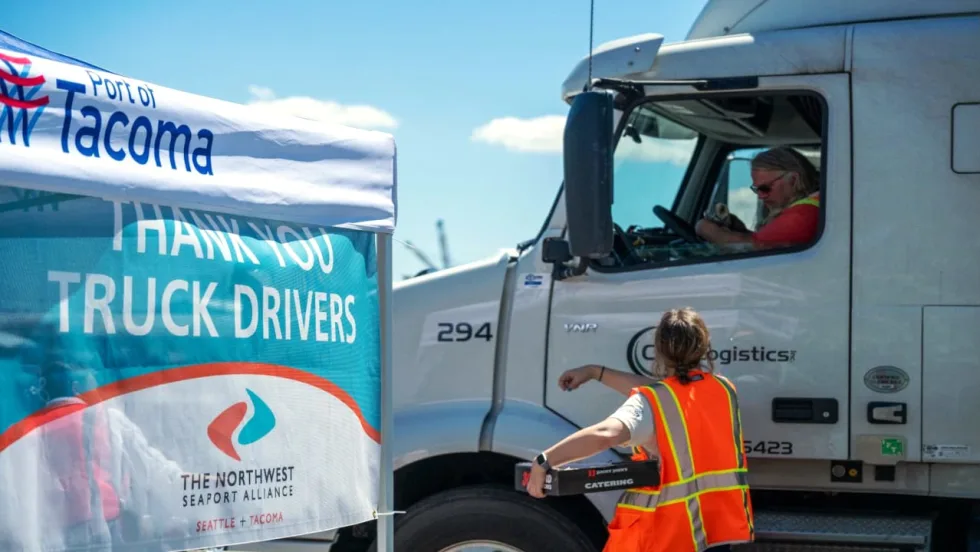
NWSA Taps CALSTART to Administer Zero-Emission Drayage Assistance Program
CALSTART will provide free technical assistance services to drayage fleets serving the Ports of Seattle and Tacoma and looking to transition to cleaner technologies and help decarbonize freight hubs.
Read More →
EV Fleet Reality Check: What Operators Wish They Knew Before Electrifying Their Work Vans
Electric work truck upfits bring new compatibility questions. Learn how parts availability, OEM guidance, power demands, and route planning can affect fleet performance.
Read More →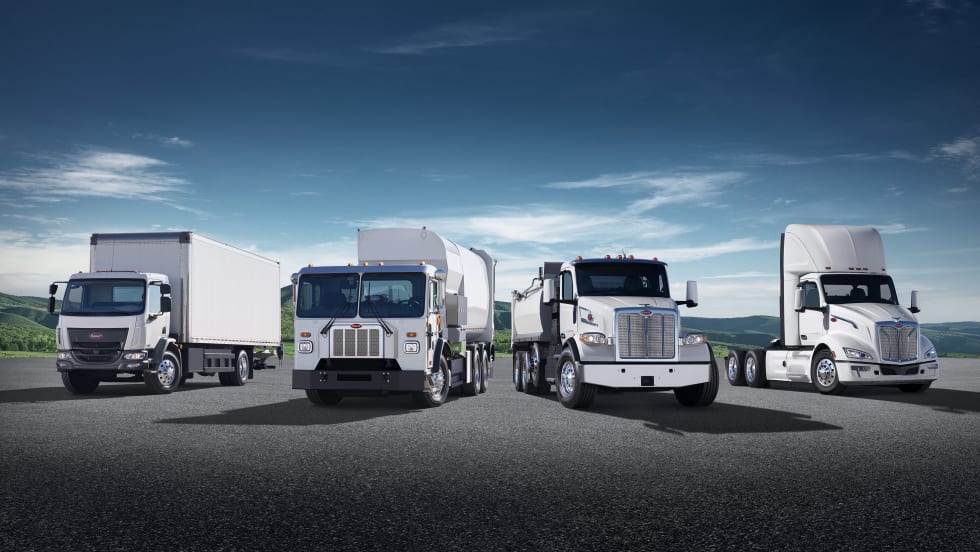
Peterbilt Expands Sourcewell Partnership with Electric Vehicle Lineup
Peterbilt Motors Company’s cooperative purchasing agreement with Sourcewell and its Canadian partner, Canoe Procurement Group, now includes including Peterbilt's battery-electric vehicle lineup.
Read More →